Why Anton Chekhov insisted his tragic play The Seagull was actually a comedy
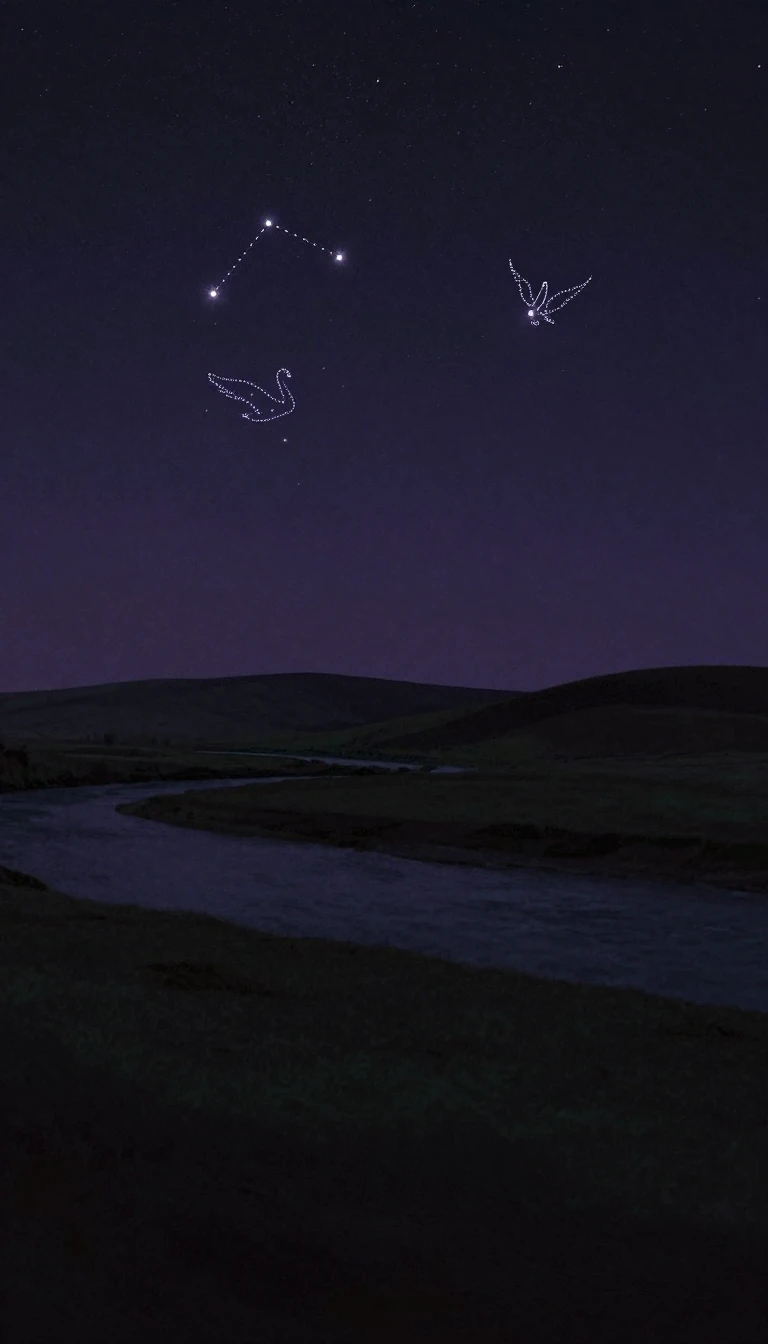
In short: Anton Chekhov’s 1896 drama The Seagull is famous for its themes of lost opportunity and generational conflict. Yet, despite its reputation for tragedy, Chekhov maintained it was a comedy. This clash between the author’s intent and the audience’s perception defined the play’s rocky history and its eventual theatrical triumph.
First performed in 1896, The Seagull centers on a group of artists gathered at a country estate. The narrative revolves around the strained relationship between the middle-aged actress Mme Arkadina and her son, Konstantin, an aspiring writer. Konstantin seeks his mother's approval, but she belittles his work, preferring the company of her lover, the successful writer Trigorin. When Nina, a young woman Konstantin loves, becomes infatuated with Trigorin, Konstantin kills a seagull—a symbol of his own broken dreams—and presents it to her.
The play’s premiere was a notorious failure, with the audience’s hostility so intense that the actress playing Nina lost her voice. Chekhov, who had expected the failure, remained calm, viewing the play as a departure from the melodramatic conventions of 19th-century Russian theater. He explicitly designed the work to feature little action and a great deal of conversation, focusing on the internal lives of his characters rather than the lurid onstage events common to the era.
While Chekhov viewed the work as a comedy, the 1898 production by Konstantin Stanislavski at the Moscow Art Theatre cemented its status as a tragedy. Stanislavski’s focus on subtext transformed the play, turning it into a landmark event in world drama. This success encouraged Chekhov to continue his career as a playwright, leading to his subsequent masterpieces. The play remains a study in the disconnect between an artist's vision and the public's interpretation, a theme that echoes the very artistic conflicts depicted within the story itself.
Opens the Intellect+ feed with this card first. Swipe up for the next one.
Sources
- Summary by Intellect · source: The Seagull | Russian Drama, Tragedy, Comedy | Britannica
- Also: The Seagull
To cite this card, link to https://intellectplus.co.uk/app/art-the-seagull.
How we source, check and correct cards: Editorial standards.
General information, not professional advice. Spotted an error? Flag the card or see corrections and complaints.
Intellect Plus is a visual educational discovery platform for exploring fascinating facts and ideas. Brain Food, Not Brain Rot. What is Intellect Plus?
Related
More in Literature · More in Art · Latest · A–Z · All topics
