Is the most famous line in English literature actually a sincere meditation on death?
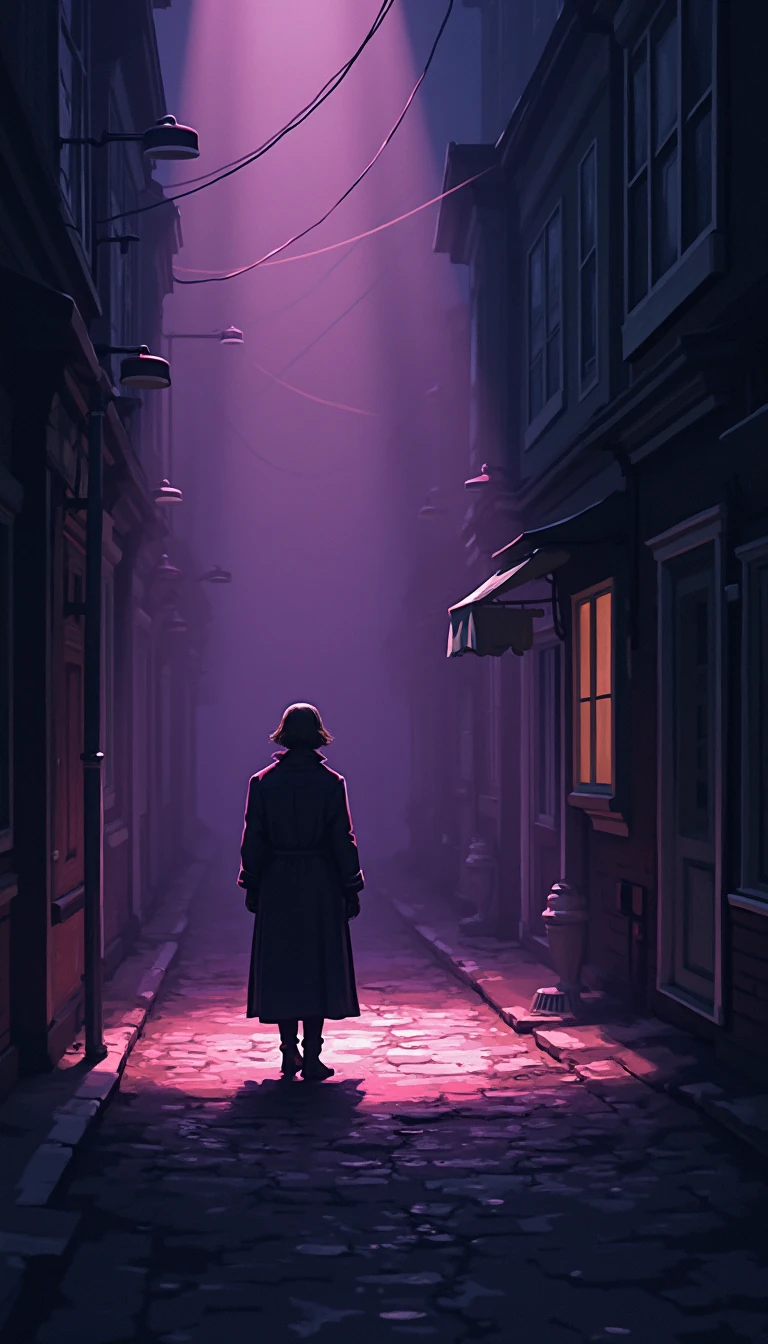
In short: The opening of Hamlet’s monologue in Act III, scene 1, remains an iconic cultural touchstone. While often interpreted as a profound contemplation of suicide and the human condition, the speech occurs in a complex theatrical context where the prince is being watched by his enemies and the woman he loves.
William Shakespeare’s revenge tragedy, Hamlet, written between 1599 and 1601, centers on the titular prince of Denmark. The play’s most celebrated soliloquy, beginning with the words "To be, or not to be," appears in Act III, scene 1. In this moment, Hamlet weighs the inherent pain and unfairness of existence against the unknown nature of death. The speech is delivered in an abstract, academic register, consistent with Hamlet’s background as a student at Wittenberg University. Despite its philosophical weight, the scene is fraught with tension; Hamlet is not truly alone, as Ophelia is present on stage, while Claudius and Polonius remain concealed nearby to eavesdrop on his behavior.
The textual history of the play is notoriously complicated. Scholars identify three primary early versions: the First Quarto (1603), often dismissed as a pirated or imperfectly remembered text; the Second Quarto (1604), considered the earliest reliable version based on Shakespeare’s own papers; and the First Folio (1623), which provides a largely similar edition. These variations highlight the evolving nature of the play, which was influenced by earlier works like Saxo Grammaticus’s 12th-century Gesta Danorum and François de Belleforest’s 1570 Histoires tragiques. The existence of a lost "Ur-Hamlet," potentially authored by Thomas Kyd, further suggests that Shakespeare was refining a story already well-known to his audience.
Beyond the text itself, the play’s legacy is defined by its dramatic impact and cultural reach. The prince’s struggle—driven by his father’s ghost, who claims to have been poisoned by Claudius—leads to a series of tragic events, including the accidental killing of Polonius and the eventual demise of the royal family. The play’s influence extends far beyond the stage, permeating literature, film, and even the visual arts. Whether through the iconic imagery of Yorick’s skull or the countless adaptations that parody or reference its lines, Hamlet remains a cornerstone of Western drama, continuously analyzed for its psychological depth and its enduring questions about duty, revenge, and the nature of existence.
Opens the Intellect+ feed with this card first. Swipe up for the next one.
Sources
- Summary by Intellect · source: To be, or not to be | Meaning, Hamlet, Shakespeare, Soliloquy, Monologue, & Facts | Britannica
- Also: To be, or not to be
To cite this card, link to https://intellectplus.co.uk/app/art-to-be-or-not-to-be.
How we source, check and correct cards: Editorial standards.
General information, not professional advice. Spotted an error? Flag the card or see corrections and complaints.
Intellect Plus is a visual educational discovery platform for exploring fascinating facts and ideas. Brain Food, Not Brain Rot. What is Intellect Plus?
Related
More in Visual arts · More in Art · Latest · A–Z · All topics
