Totem poles are not religious idols, but complex historical records carved from cedar trees.
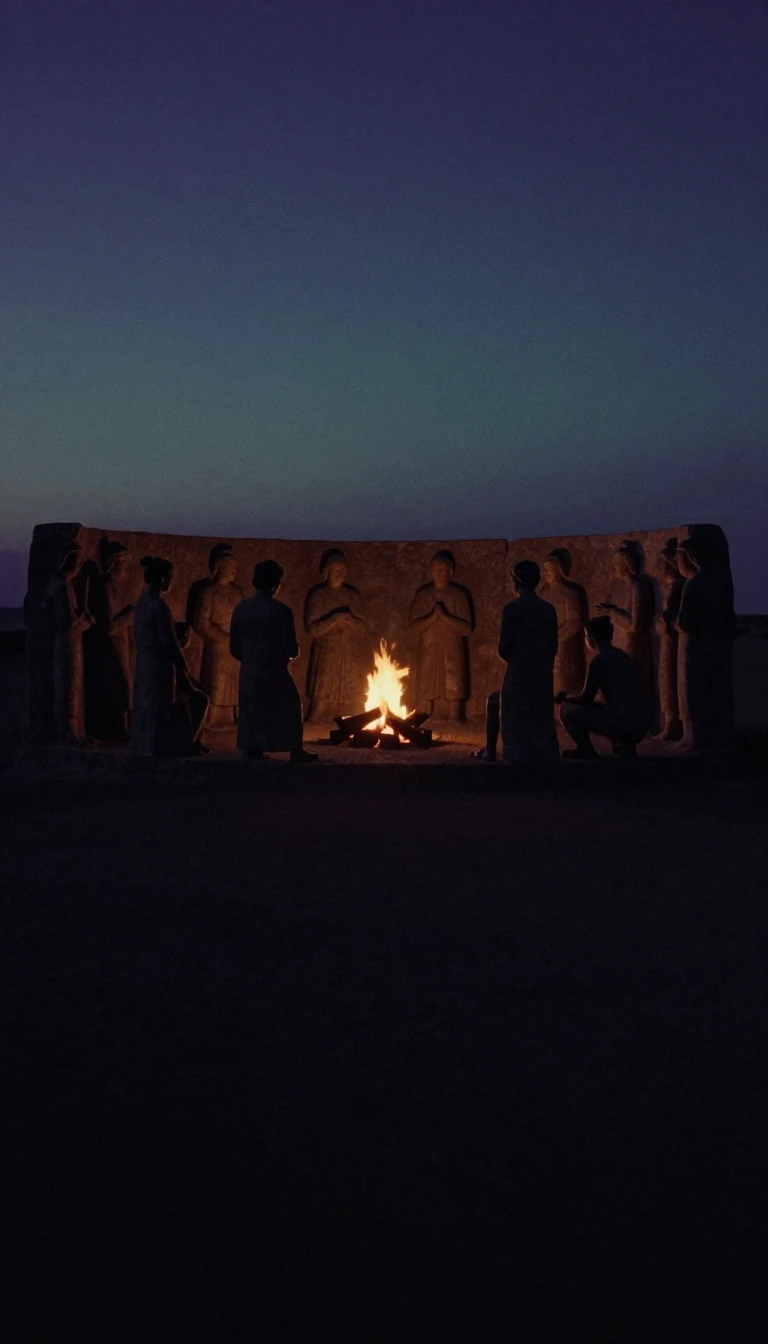
In short: Contrary to popular belief, these monumental carvings are not objects of worship. Instead, they function as sophisticated visual archives, documenting clan lineages, family histories, and significant social events. Far from being static relics, they are dynamic expressions of Indigenous identity that have evolved alongside the introduction of iron tools.
Indigenous peoples of the Pacific Northwest Coast, including the Haida, Tlingit, and Tsimshian, developed these monumental carvings to serve diverse social and architectural roles. Rather than spiritual icons, they function as heraldic markers, mortuary vessels, or even tools for public shaming. A shame pole, for instance, might be erected to embarrass a rival for unpaid debts or social transgressions, such as the pole created to critique a former U.S. Secretary of State for his perceived stinginess and lack of respect toward his Indigenous hosts.
The evolution of the craft is tied to technological shifts. Before the 19th century, carving was a laborious process using stone, shell, or bone tools. The widespread availability of iron and steel implements from European traders in the 1800s enabled more intricate designs and a surge in production. While some assume the highest figure on a pole holds the most status, many Indigenous traditions reject this hierarchy, often placing the most significant figures at the bottom to bear the weight of the design or at eye level for the viewer.
The 20th century brought significant challenges, as colonial policies and missionary influence led to the suppression of traditional practices and the destruction of many poles. However, a cultural revival beginning in the late 1930s helped preserve the art form. Today, these poles remain vital, with modern carvers continuing to blend traditional stylistic conventions with contemporary narratives, ensuring the survival of a medium that remains deeply connected to the land and the history of its people.
Opens the Intellect+ feed with this card first. Swipe up for the next one.
Sources
- Summary by Intellect · source: Totem pole
To cite this card, link to https://intellectplus.co.uk/app/art-totem-pole.
How we source, check and correct cards: Editorial standards.
General information, not professional advice. Spotted an error? Flag the card or see corrections and complaints.
Intellect Plus is a visual educational discovery platform for exploring fascinating facts and ideas. Brain Food, Not Brain Rot. What is Intellect Plus?
Related
More in Visual arts · More in Art · Latest · A–Z · All topics
