Keats praised blind Homer for seeing three worlds at once
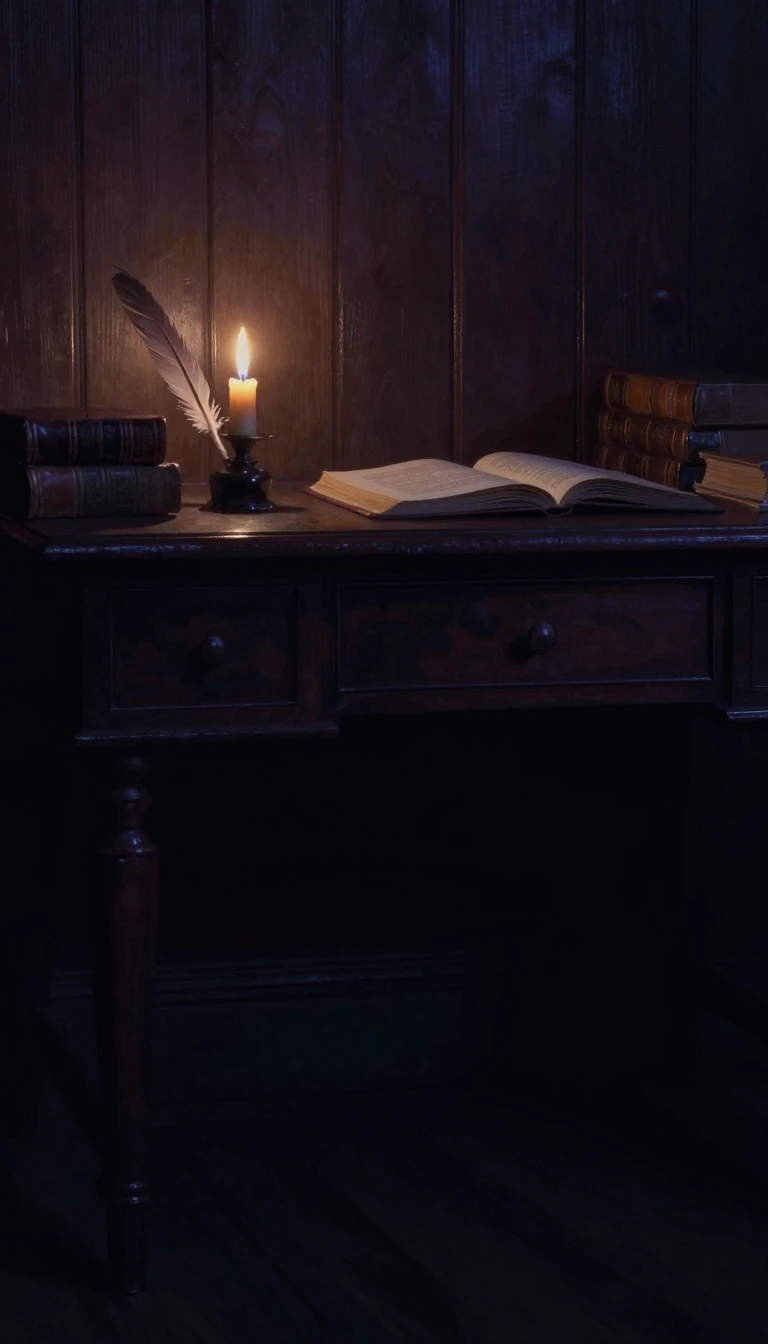
In short: In his sonnet To Homer, John Keats casts himself as someone stuck on a beach, hearing rumours of Greek islands he can never reach. Homer, by contrast, was blind, yet the gods tore the veil away for him. Keats ends by granting the ancient poet a triple sight, reaching earth, heaven and the underworld.
The opening confession is striking for a poet. Keats describes himself standing apart in giant ignorance, knowing Homer and the Cyclades only by report. He compares himself to someone sitting on the shore, wishing he could visit the dolphins and coral of deep water. The ancient world is there, glittering, but out of reach.
Then the sonnet turns to Homer's blindness and immediately reverses it. The veil was torn, Keats says: Jove drew back the curtains of heaven so that the poet could live there, Neptune pitched him a tent of sea foam, and Pan made his woodland hive sing for him. Sky, ocean and forest, the domains of three gods, are each opened to a man who could not see them with his eyes.
The next four lines state the paradox directly. On the shores of darkness there is light; cliffs reveal green places no foot has touched; midnight holds a budding tomorrow; and keen blindness contains a sight three times over. The closing couplet compares Homer's vision to that of Dian, a goddess ruling earth, heaven and hell together. Loss of one sense becomes, in Keats's telling, a gateway to a wider kind of perception.
His route to Homer ran through a translation. At John Clarke's school in Enfield, the headmaster's son Charles Cowden Clarke became his mentor and introduced him to Renaissance writers, among them George Chapman's versions of the classics; Keats's sonnet On First Looking into Chapman's Homer remains one of his most analysed works. His day job pointed elsewhere: in October 1815 he enrolled as a medical student at Guy's Hospital and within a month was assisting surgeons as a dresser.
Opens the Intellect+ feed with this card first. Swipe up for the next one.
Sources
- Summary by Intellect · source: To Homer
- Also: John Keats
To cite this card, link to https://intellectplus.co.uk/app/art-to-homer-john-keats.
How we source, check and correct cards: Editorial standards.
General information, not professional advice. Spotted an error? Flag the card or see corrections and complaints.
Intellect Plus is a visual educational discovery platform for exploring fascinating facts and ideas. Brain Food, Not Brain Rot. What is Intellect Plus?
