The trapeze is named for a geometric shape, but its origins remain surprisingly murky.
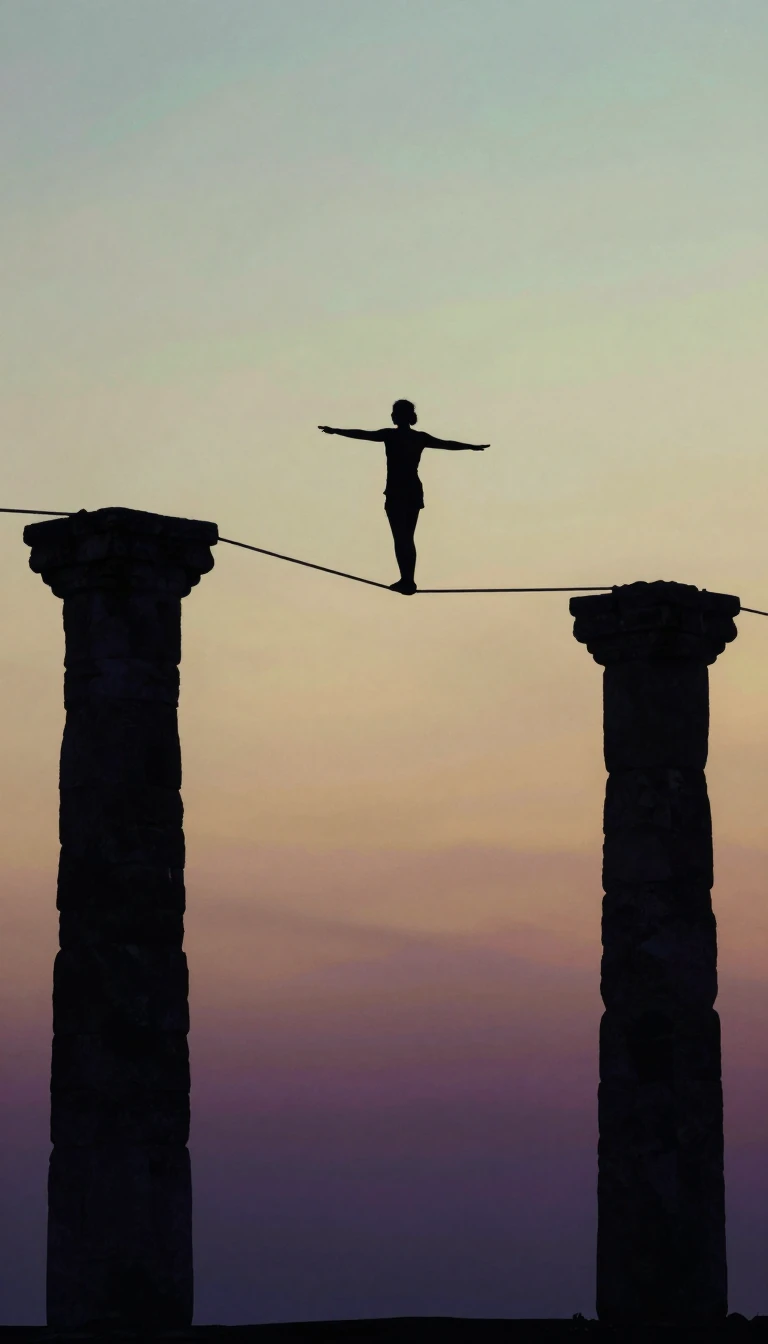
In short: A simple bar suspended by ropes has defined aerial performance for nearly two centuries. While often credited to a 19th-century French acrobat, the apparatus appeared in literature decades before his birth. From static displays to high-flying pendulum physics, the trapeze remains a masterclass in grace, strength, and momentum.
The trapeze derives its name from the trapezoid shape formed by its horizontal bar, supporting ropes, and ceiling anchor. While popular lore often attributes the development of the art to the French aerialist Jules Léotard in the mid-19th century, the term appears in texts as early as 1832. In his book 'An Introductory Course of Modern Gymnastic Exercises', George Roland mentions the apparatus, even suggesting it might have originated with Colonel Amoros, though he ultimately dismissed the search for a definitive origin as unimportant.
Aerial performance takes many forms, each requiring distinct physical mastery. Static trapeze focuses on grace and style while the bar remains largely still, whereas swinging trapeze utilizes the momentum of a forward-backward arc to execute dynamic tricks at the peak of each swing. Flying trapeze, perhaps the most iconic variation, relies on pendulum physics. A 'flier' jumps from a pedestal to initiate a swing, using specific movements like the 'force out' and the 'hollow' to gain height before releasing the bar to be caught by a partner.
Beyond these traditional styles, the apparatus has evolved into specialized variations. The Washington trapeze features a weighted bar with a small platform for headstands, while dance trapeze uses a single-point swivel to allow for circular movement. Other forms, such as double or multiple trapeze, involve several performers working in unison to manage weight and balance. Whether performed over a safety net or a simple mat, the trapeze remains a versatile tool that demands significant flexibility and precise timing from its practitioners.
Opens the Intellect+ feed with this card first. Swipe up for the next one.
Sources
- Summary by Intellect · source: Trapeze
To cite this card, link to https://intellectplus.co.uk/app/art-trapeze.
How we source, check and correct cards: Editorial standards.
General information, not professional advice. Spotted an error? Flag the card or see corrections and complaints.
Intellect Plus is a visual educational discovery platform for exploring fascinating facts and ideas. Brain Food, Not Brain Rot. What is Intellect Plus?
Related
More in Performing arts · More in Art · Latest · A–Z · All topics
