How a merchant's private collection became the world's premier vault for Russian fine art.
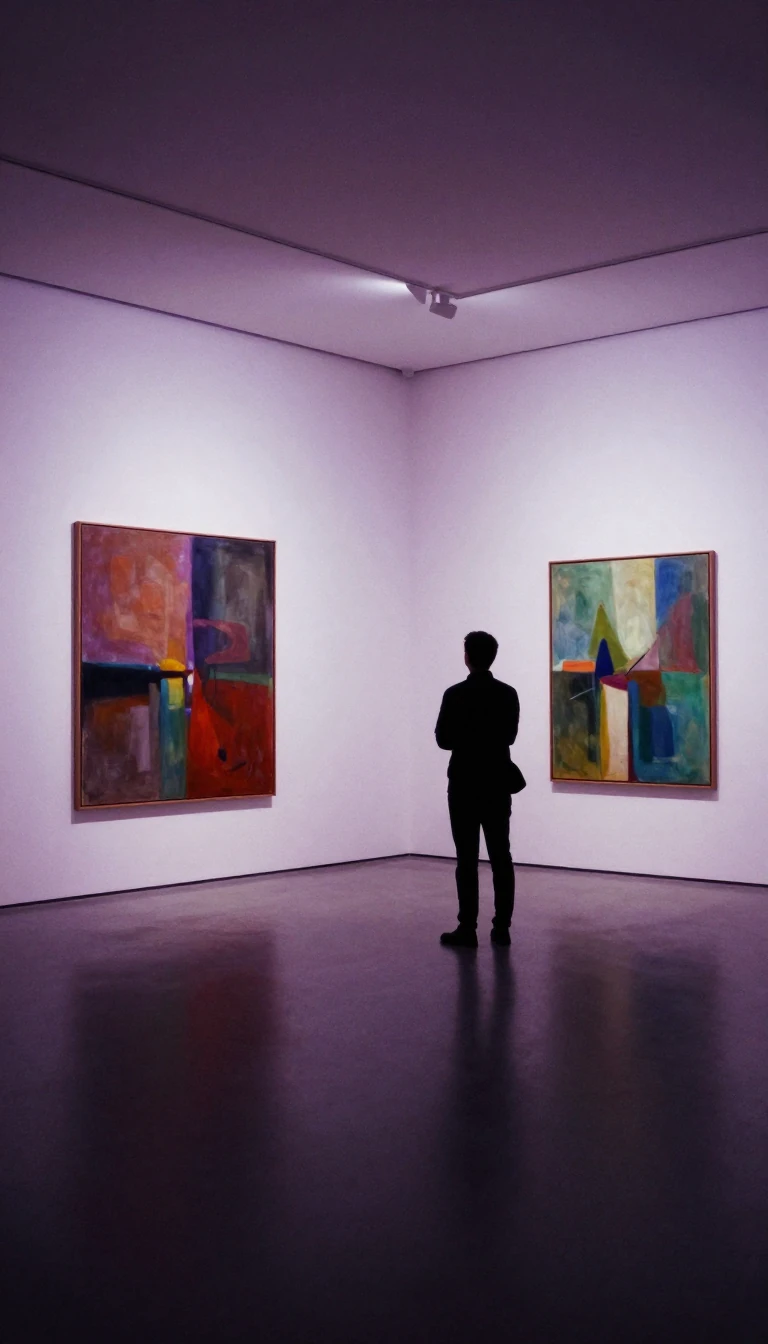
In short: Beginning in 1856 with just two paintings, Pavel Tretyakov spent decades amassing a national treasure. Today, his namesake gallery in Moscow houses over 130,000 works, ranging from ancient religious icons to radical modernist masterpieces, surviving wars, political upheaval, and even the forced relocation of its most sacred artifacts.
The Tretyakov Gallery originated from the personal ambition of Pavel Mikhailovich Tretyakov, a Muscovite merchant who began acquiring Russian art in the mid-1850s. By 1892, he gifted his expansive collection—comprising roughly 2,000 items, including paintings, drawings, and sculptures—to the city of Moscow. The museum officially opened to the public in 1893, housed within a family mansion that underwent repeated expansions to accommodate the growing inventory.
The institution’s architecture is as storied as its contents. The iconic façade, designed by Viktor Vasnetsov in a distinctive fairy-tale style, was completed between 1902 and 1904. Over the 20th century, the gallery expanded significantly, incorporating neighboring structures like the 17th-century Church of St. Nicholas in Tolmachi, which was repurposed for storage and exhibition space. During the Great War, the museum undertook a massive logistical operation, evacuating its collection to Novosibirsk via a 17-wagon train to protect it from conflict, only returning to Moscow in 1945.
Today, the gallery functions as a sprawling administrative organization, managing diverse sites across Russia, including contemporary art branches and satellite locations in Kaliningrad and Vladivostok. The collection remains a site of cultural tension; in 2023, the museum faced controversy when it was ordered to transfer Andrei Rublev's Trinity icon to a cathedral, despite internal opposition. From the avant-garde Black Square by Kazimir Malevich to the monumental works of Wassily Kandinsky, the gallery remains the definitive repository for the Russian artistic legacy.
The institution has also navigated complex administrative shifts, from its nationalization in 1918 to the integration of modern art spaces in 1985. While the main site in Lavrushinsky Lane remains the historical heart, the gallery’s evolution reflects the broader political and social history of Russia, balancing its role as a guardian of heritage with the pressures of modern state influence and public debate regarding its architectural future.
Opens the Intellect+ feed with this card first. Swipe up for the next one.
Sources
- Summary by Intellect · source: Tretyakov Gallery
- Also: Art Institute of Chicago — F. H. Bresler Art Gallery, Milwaukee, Wisconsin, Interior Perspective · CC0 (data); description CC BY 4.0
- Also: Art Institute of Chicago — Sightseers View Paintings at Tretyakov Art Gallery, Moscow · CC0 (data); description CC BY 4.0
To cite this card, link to https://intellectplus.co.uk/app/art-tretyakov-gallery.
How we source, check and correct cards: Editorial standards.
General information, not professional advice. Spotted an error? Flag the card or see corrections and complaints.
Intellect Plus is a visual educational discovery platform for exploring fascinating facts and ideas. Brain Food, Not Brain Rot. What is Intellect Plus?
Related
More in Cultural venues · More in Art · Latest · A–Z · All topics
