The band that abandoned black metal to map culture's demise
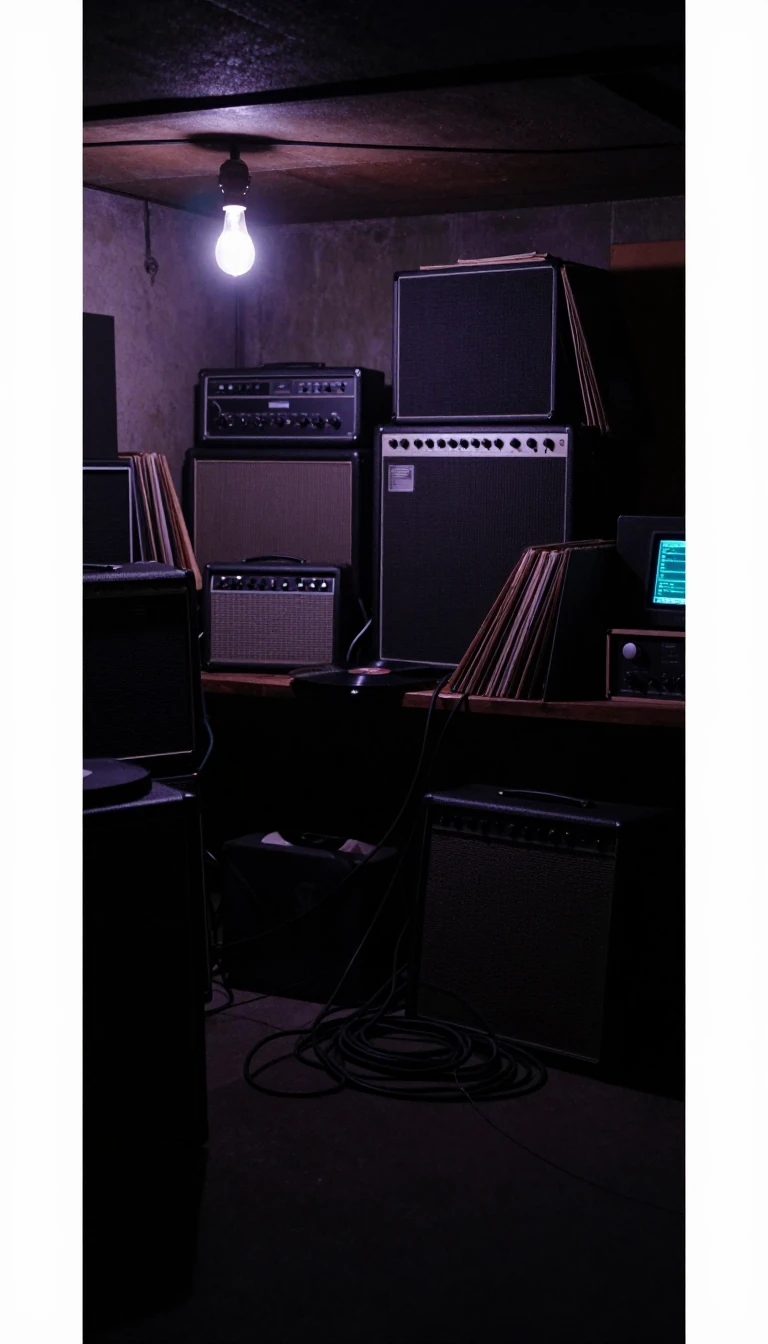
In short: In 1993, Ulver emerged from the Norwegian black metal scene with harsh vocals and buzzing guitars. But they quickly pivoted toward a sprawling odyssey of electronica, ambient, and classical music. They didn't just change genres; they declared their origins were merely stepping stones in a grander evolution.
Founded in Oslo by Kristoffer Rygg, Ulver initially gained notoriety for 'Bergtatt' (1995), an album that blended the aggression of black metal with folk-like acoustic passages. However, the band soon began a radical departure from their roots. By 1997, after inviting composer Tore Ylwizaker to join, they shifted toward avant-garde and classical traditions. This transition was so jarring that it alienated many original fans, leading to a myth that the group had spent their recording budget on luxury items like Armani suits and cocaine—a rumor Rygg has explicitly denied.
The band's evolution is characterized by an intentional move from 'extrovert' sounds toward 'interior music.' This includes moody electronica, film-noir atmospheres, and minimalist glitch pieces. They have even produced scores for various films, with some tracks appearing in the 2012 horror movie Sinister. Their work is often described as a cataloging of cultural decay; author Julian Cope noted they were documenting the death of culture decades before its demise became obvious to others.
Despite their experimental trajectory, Ulver maintains a complex relationship with their past. While they acknowledge their ties to the black metal subculture, they explicitly requested that listeners stop stigmatizing them by that label. They view their early work as an 'incentive to further frolic' rather than a destination. Today, the core trio of Rygg, Ylwizaker, and Jørn H. Sværen continues to push boundaries, having sold over half a million records and earned multiple nominations for the Norwegian Grammy Awards.
Their discography serves as a study in musical metamorphosis: from the 'raw and grim' Nattens madrigal (1997) to the intricate layers of Blood Inside (2005). By blending industrial, progressive metal, and chamber music with ambient textures, Ulver creates a sonic narrative that prioritizes atmosphere and emotional depth over traditional genre conventions.
Opens the Intellect+ feed with this card first. Swipe up for the next one.
Sources
- Summary by Intellect · source: Ulver
To cite this card, link to https://intellectplus.co.uk/app/art-ulver.
How we source, check and correct cards: Editorial standards.
General information, not professional advice. Spotted an error? Flag the card or see corrections and complaints.
Intellect Plus is a visual educational discovery platform for exploring fascinating facts and ideas. Brain Food, Not Brain Rot. What is Intellect Plus?
Related
More in Fictional and legendary characters · More in Art · Latest · A–Z · All topics
