The Vienna Philharmonic is a self-governing collective that has defined orchestral sound since 1842.
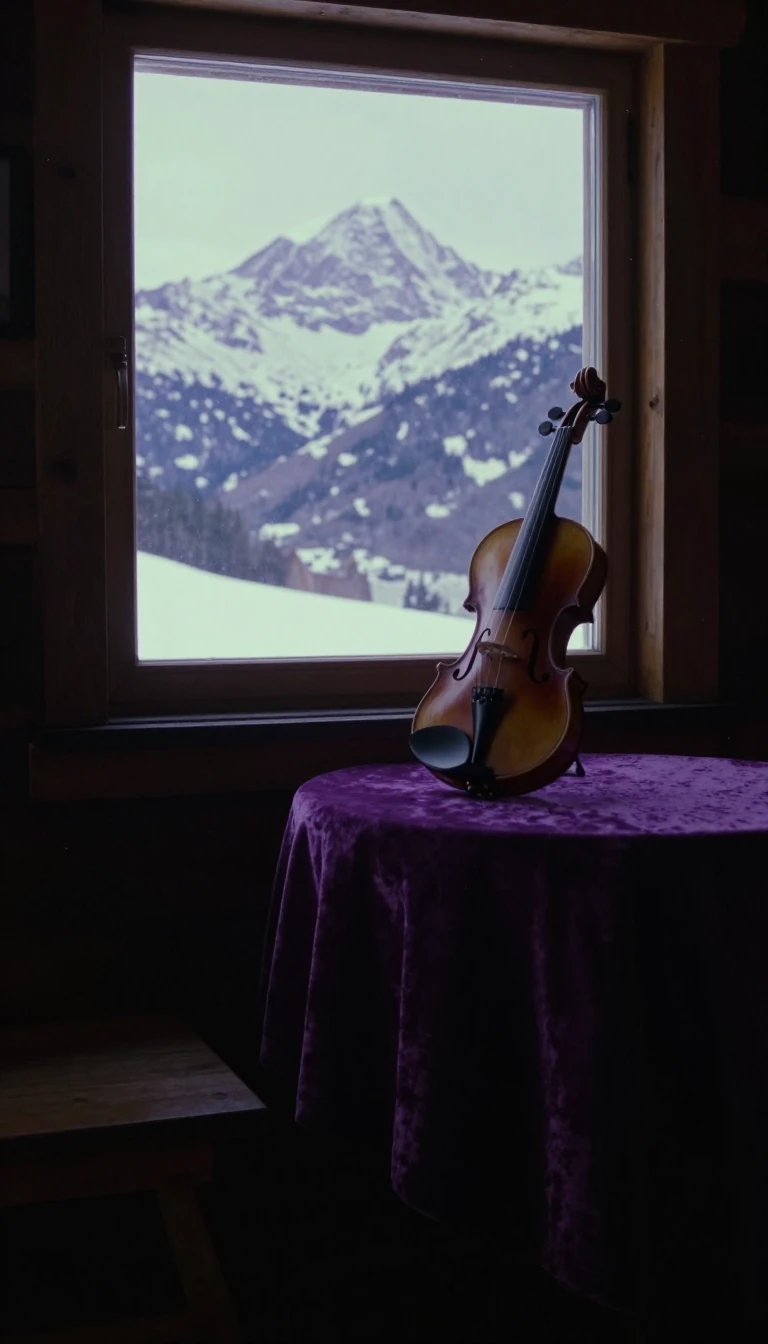
In short: Founded in 1842, the Vienna Philharmonic operates as a democratic collective rather than a corporate entity. Its members, drawn from the Vienna State Opera, manage their own affairs and maintain a distinct, celebrated sound through specific instruments and playing styles that have remained remarkably consistent for over a century.
The Vienna Philharmonic emerged from the professional musicians of the Vienna Court Opera, formally organizing in 1842. Unlike many global ensembles that follow a corporate management model, the VPO operates under a system of democratic self-administration. Its members vote on all major decisions, delegating daily operations to an elected administrative committee. This autonomy is deeply ingrained in the orchestra's identity, which has been an incorporated association since 1908.
The orchestra's legendary sound, which conductor Bruno Walter described as life-altering in 1897, is attributed to a combination of unique instrumentation and playing traditions. The VPO utilizes specific equipment that differs from international norms, such as the German-system clarinet, smaller-bore rotary trumpets, and rotary-valve tubas. Furthermore, the orchestra maintains a higher standard tuning pitch of 443 Hz, compared to the global standard of 440 Hz. These choices, alongside a specific approach to vibrato and balance, create a sonority that has remained remarkably stable for generations.
The VPO's history is inextricably linked to its home at the Musikverein in Vienna, where it has performed in the Goldener Saal since 1870. The venue's acoustics have played a critical role in shaping the orchestra's style. Despite its prestige, the path to membership is rigorous: musicians must demonstrate capability through at least three years of performance with the Vienna State Opera before applying. Once accepted, they face a mandatory retirement age of 65, ensuring a constant cycle of renewal within the collective.
Beyond the concert hall, the orchestra has become a cultural institution with global reach. It sponsors the famous New Year's Day concerts and has even inspired a world-renowned gold bullion coin. While the orchestra has navigated complex historical periods, including the Nazi era, it has actively engaged in research and commemoration, such as its 2000 performance at the Mauthausen concentration camp site. Today, demand for its subscription concerts is so high that waitlists for weekend performances can reach thirteen years.
Opens the Intellect+ feed with this card first. Swipe up for the next one.
Sources
- Summary by Intellect · source: Vienna Philharmonic
To cite this card, link to https://intellectplus.co.uk/app/art-vienna-philharmonic.
How we source, check and correct cards: Editorial standards.
General information, not professional advice. Spotted an error? Flag the card or see corrections and complaints.
Intellect Plus is a visual educational discovery platform for exploring fascinating facts and ideas. Brain Food, Not Brain Rot. What is Intellect Plus?
Related
More in Cultural venues · More in Art · Latest · A–Z · All topics
