How a mutiny by 54 musicians created the world's most acclaimed symphony orchestra
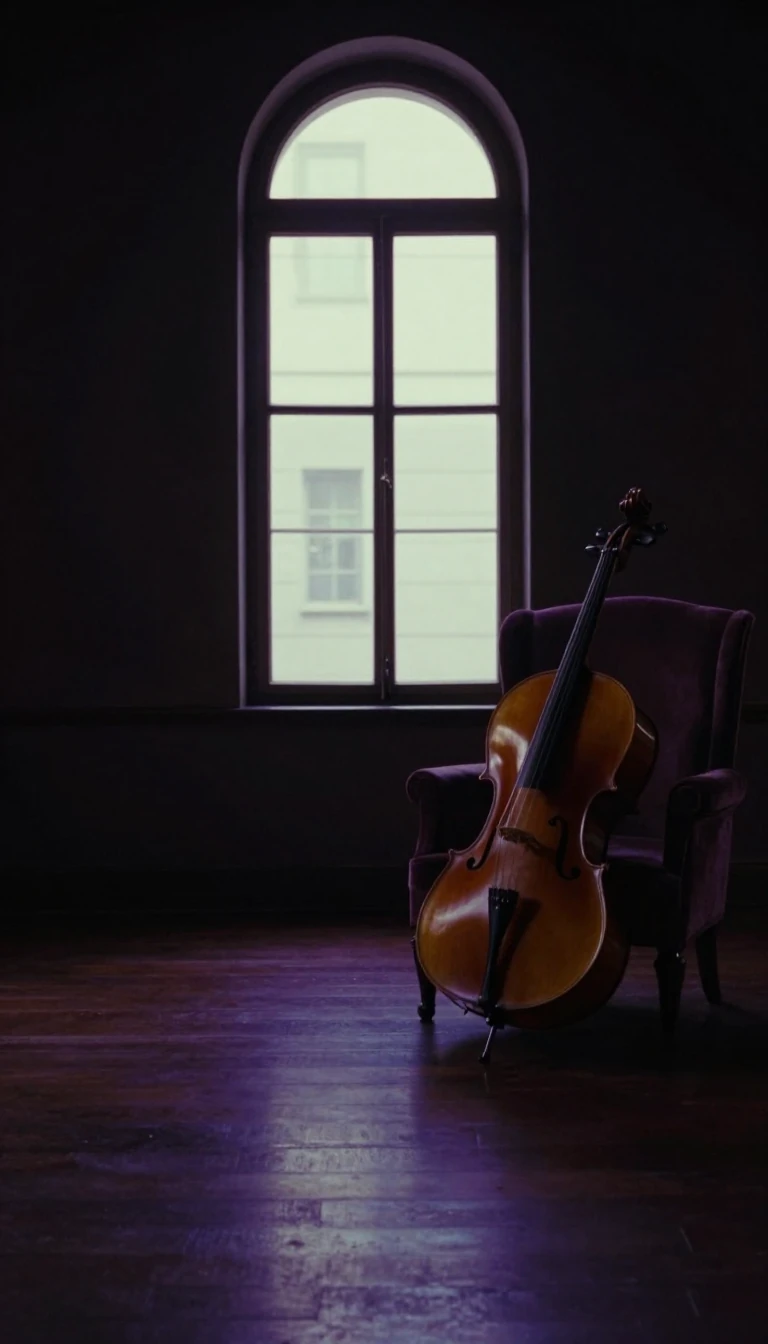
In short: In 1882, a fed-up band of musicians abandoned their conductor after he insisted on a grueling, low-class train journey to Warsaw. That act of defiance birthed the Berlin Philharmonic. Today, it stands as a global titan of classical music, governed by its own members and defined by a relentless pursuit of excellence.
The Berlin Philharmonic traces its origins to the Bilsesche Kapelle, a band led by Benjamin Bilse. When Bilse announced plans for a fourth-class train trip to Warsaw, 54 of his 70 musicians broke away to form their own ensemble. Reorganized under manager Hermann Wolff in 1882, the group quickly ascended to international prominence under the baton of pianist-conductor Hans von Bülow, who took the post in 1887. This era established a standard of musicianship that attracted legendary guests, including Johannes Brahms and Gustav Mahler.
Throughout the 20th century, the orchestra navigated profound political and physical upheaval. During World War II, the original Philharmonie was destroyed by British bombing in 1944. Despite the conflict, the ensemble continued to perform, even under the shadow of the Nazi regime. Following the war, the orchestra was briefly managed by Soviet occupation authorities before finding stability under conductors like Sergiu Celibidache and, most famously, Herbert von Karajan. Karajan’s tenure, lasting from 1955 to 1989, transformed the group into a recording powerhouse, leveraging new technologies to achieve worldwide fame.
The modern era has seen the orchestra evolve into a self-governing public foundation. Under Sir Simon Rattle, who served from 2002 to 2018, the Philharmonic gained the autonomy to make its own artistic and financial decisions. This period also marked a shift toward digital innovation, notably the 2009 launch of the Digital Concert Hall, which allows global audiences to stream performances live or on demand. Today, under music director Kirill Petrenko, the orchestra continues to balance its rich Austro-German heritage with a commitment to modern repertoire and community engagement, operating from its iconic pentagonal home, the Berliner Philharmonie.
Opens the Intellect+ feed with this card first. Swipe up for the next one.
Sources
- Summary by Intellect · source: Berlin Philharmonic
- Also: Berlin Philharmonic Orchestra | History, Conductors, & Facts | Britannica
To cite this card, link to https://intellectplus.co.uk/app/art-berlin-philharmonic.
How we source, check and correct cards: Editorial standards.
General information, not professional advice. Spotted an error? Flag the card or see corrections and complaints.
Intellect Plus is a visual educational discovery platform for exploring fascinating facts and ideas. Brain Food, Not Brain Rot. What is Intellect Plus?
Related
More in Cultural venues · More in Art · Latest · A–Z · All topics
