Why Vietnam’s currency, the đồng, carries a name meaning copper in its history
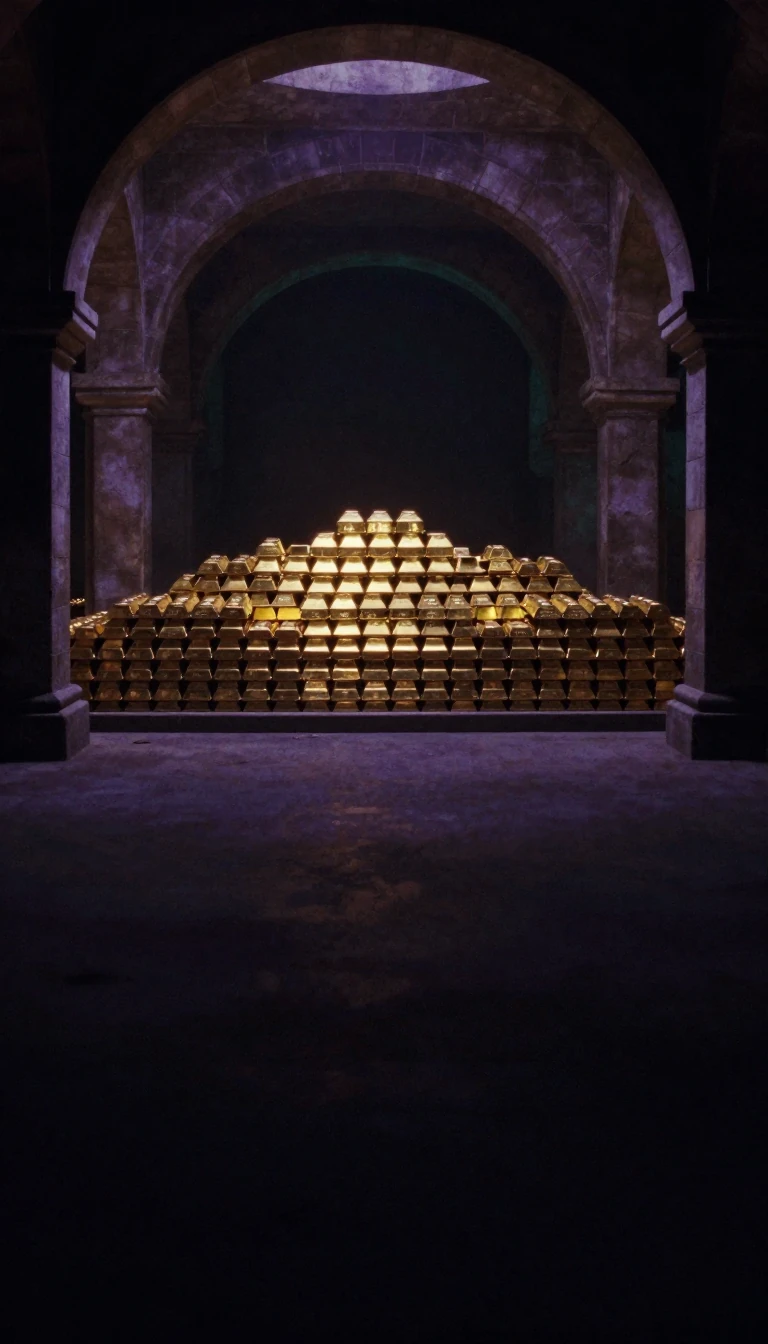
In short: The Vietnamese đồng, whose name translates to copper, has navigated a turbulent economic history marked by hyperinflation, multiple revaluations, and a failed attempt to reintroduce coins. Today, it stands as one of the world's lowest-valued currencies, transitioning from cotton banknotes to modern polymer and digital payment systems.
The currency's name, đồng, is the Sino-Vietnamese term for copper. Its modern iteration began on 3 May 1978, following the reunification of Vietnam, when the State Bank of Vietnam unified the Northern dong and the Southern liberation dong. This followed a long history of currency shifts, including the French Indochinese piastre, which was used until 1952. The path to stability has been fraught with economic crises, most notably during the mid-1980s. In 1985, a revaluation intended to bolster the currency backfired, triggering hyperinflation that peaked at 700% in September 1986. Prices for agricultural goods soared by 2000% over a decade, leading to a severe economic downturn.
Efforts to modernize the currency have faced significant hurdles. In 2003, the State Bank of Vietnam introduced polymer banknotes for denominations of 10,000 đồng and above to improve durability and security. This transition was not without controversy; newspapers that criticized the printing contracts faced government censorship. Simultaneously, the state attempted to reintroduce coins in 2003, minted by the Mint of Finland. Despite legal mandates requiring banks to accept them, the public never embraced the coins, leading to their total withdrawal from distribution by April 2011.
Today, the đồng remains one of the lowest-valued currency units globally, trailing the Iranian rial and the Lebanese pound. As of 28 February 2026, one United States dollar is worth 26,045 đồng. While the government has utilized various tools—including interest rate adjustments and periodic devaluations—to manage economic pressure and support exports, the legacy of past inflationary periods persists. Large transactions, once facilitated by short-lived 'Bearer's Checks' with expiration dates, have largely shifted to electronic transfers, reflecting a broader move toward a digital-first economy.
Opens the Intellect+ feed with this card first. Swipe up for the next one.
Sources
- Summary by Intellect · source: Vietnamese đồng
To cite this card, link to https://intellectplus.co.uk/app/art-vietnamese-ng.
How we source, check and correct cards: Editorial standards.
General information, not professional advice. Spotted an error? Flag the card or see corrections and complaints.
Intellect Plus is a visual educational discovery platform for exploring fascinating facts and ideas. Brain Food, Not Brain Rot. What is Intellect Plus?
Related
More in Visual arts · More in Art · Latest · A–Z · All topics
