Video art turned the television monitor into a canvas for experimental human expression
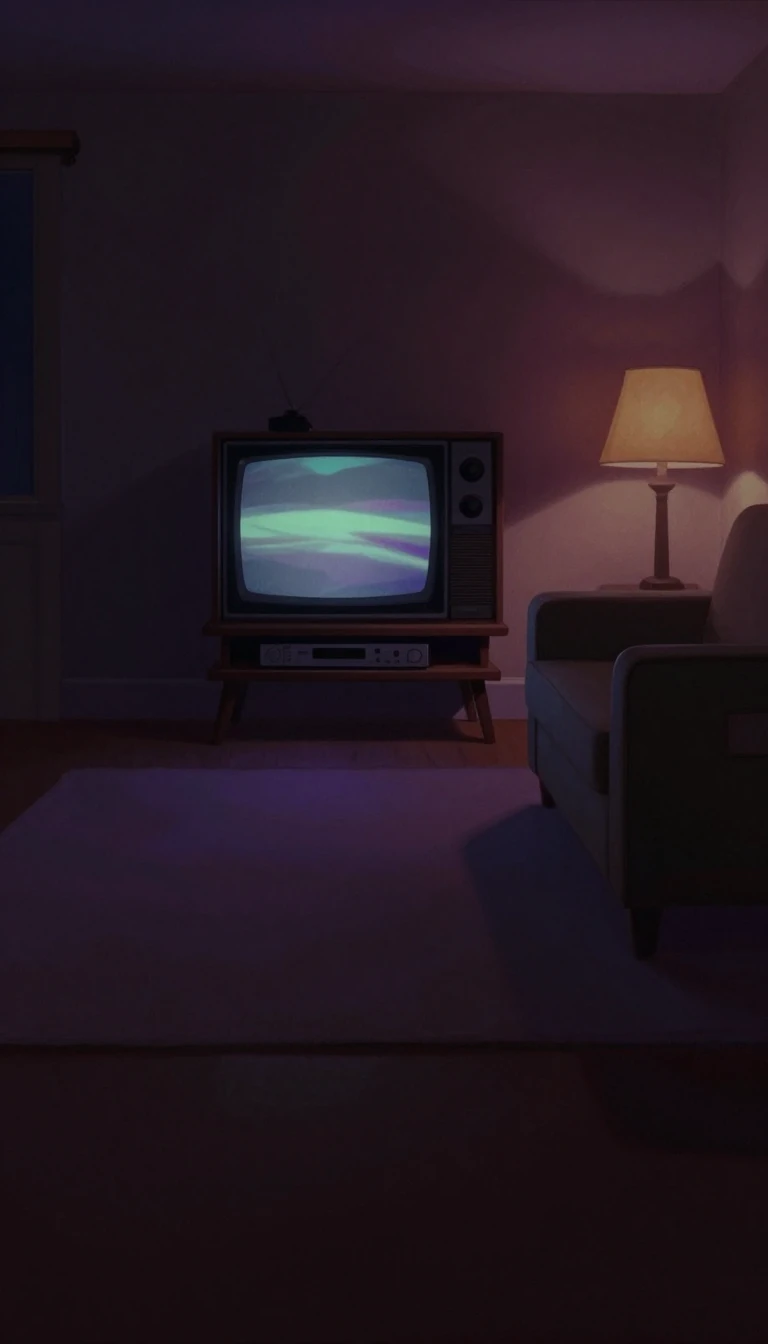
In short: Emerging in the 1960s as portable recording technology became accessible, video art broke away from professional studios and theatrical conventions. By manipulating time, perception, and reality, artists transformed the humble television screen into a space for philosophical inquiry, social commentary, and the exploration of consciousness itself.
Video art gained momentum in the 1960s and 1970s, fueled by the widespread availability of inexpensive videotape recorders. This shift allowed artists to bypass the constraints of commercial television and professional production, enabling a new form of moving-image art. Pioneers like Nam June Paik were instrumental in this transition, famously using early portable equipment to capture public events and experiment with electronic display technologies. By the 1970s, the medium had become a major outlet for artists seeking to exploit the unique aesthetic possibilities of the monitor.
The medium often rejects the narrative structures of traditional cinema, focusing instead on formal experimentation or conceptual depth. For instance, Bill Viola’s work, such as the series The Reflecting Pool, utilizes temporal fragmentation and stillness to meditate on human consciousness and universal truths. By manipulating the viewer's perception of time, Viola invites the audience to become active participants rather than passive observers. Similarly, David Hammons’s 1995 work Phat Free uses the grainy, raw texture of video to document a street performance, turning a simple, rhythmic act into a complex metaphor for the contemporary urban experience.
Beyond individual expression, video art has frequently served as a tool for social and institutional critique. Artists like Valie Export and David Hall used television interventions to disrupt the relationship between the broadcast medium and the viewer, often broadcasting unannounced works directly into homes. Whether through multi-channel installations like Wipe Cycle, which choreographed live and recorded footage, or single-channel pieces that challenge racial and social conditions, video art remains a versatile medium. It continues to evolve, drawing from philosophy, technology, and the lived environment to challenge how we perceive reality.
The importance of video art lies in its ability to divorce images from their subjective meanings and reconnect them to broader human experiences. By blending sound, performance, and electronic manipulation, practitioners have created a diverse body of work that ranges from abstract, synthesizer-driven visuals to deeply personal, emotionally charged narratives. As technology has advanced, the medium has continued to incorporate digital innovations, ensuring its place as a vital, ever-changing component of contemporary artistic practice.
Opens the Intellect+ feed with this card first. Swipe up for the next one.
Sources
- Summary by Intellect · source: Video art | Experimental, Aesthetics, Technology | Britannica
- Also: Art Institute of Chicago — The Reflecting Pool: Collected Works · CC0 (data); description CC BY 4.0
- Also: Phat Free
- Also: Video art
To cite this card, link to https://intellectplus.co.uk/app/art-video-art.
How we source, check and correct cards: Editorial standards.
General information, not professional advice. Spotted an error? Flag the card or see corrections and complaints.
Intellect Plus is a visual educational discovery platform for exploring fascinating facts and ideas. Brain Food, Not Brain Rot. What is Intellect Plus?
Related
More in Visual arts · More in Art · Latest · A–Z · All topics
