Western literature is a shared heritage rooted in ancient Greece and Rome's enduring influence.
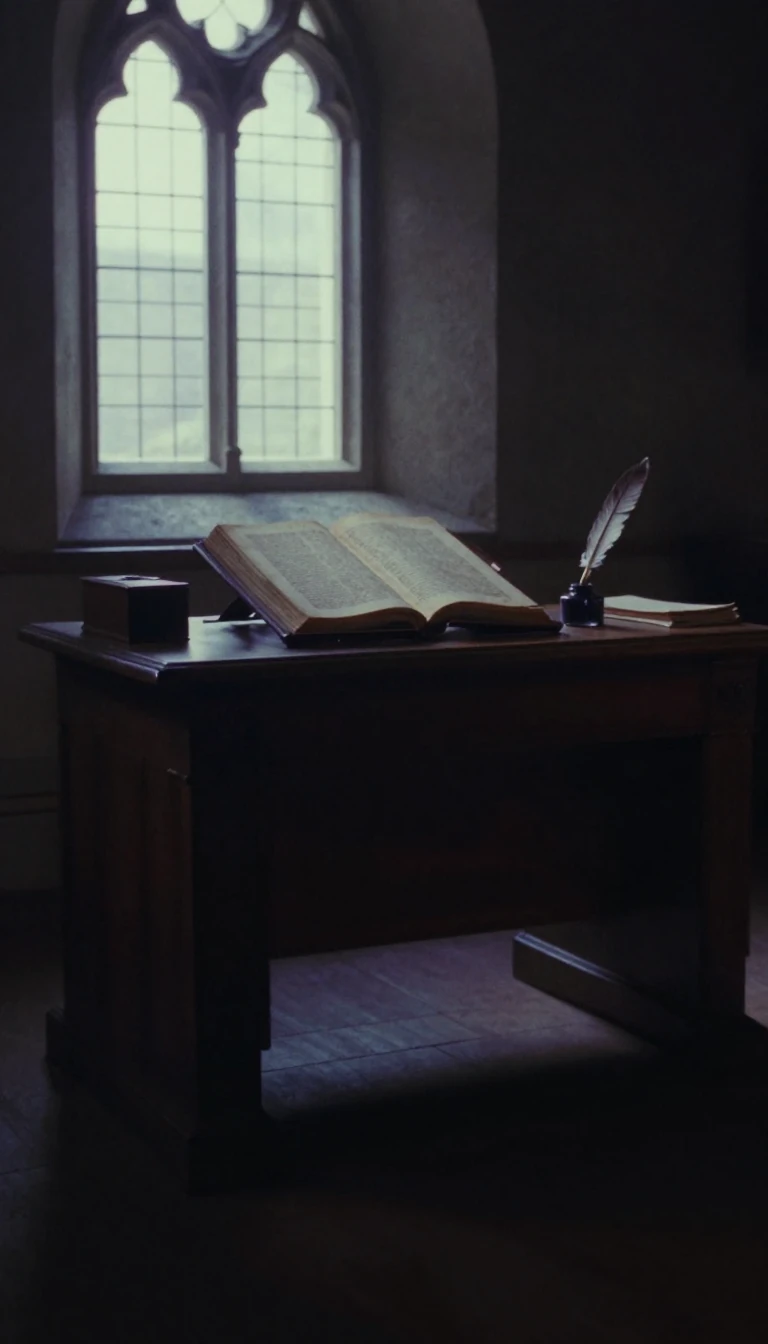
In short: Western literature is not just a collection of books; it is a unified tradition spanning Indo-European languages from antiquity to today. While diverse, these works share a common ancestry in the creative imagination of the ancient world, preserved and transformed through centuries of cultural exchange, religious shifts, and vernacular evolution.
The foundation of Western literature rests upon the intellectual achievements of ancient Greece and Rome. Greek authors established the primary literary forms—including epic, tragedy, comedy, and philosophy—that later European writers would adapt and extend. While the Romans were less focused on abstract philosophy than their Greek predecessors, they excelled in concrete portraiture and an intense interest in human individuality. This classical inheritance was eventually subsumed into a Latin tradition, which served as a bridge to the Middle Ages.
The development of this tradition was significantly shaped by the Hebrew culture of the Old Testament, which exerted profound influence through its integration into Christian thought. As the Western Roman Empire faded, Latin scholarship was maintained by figures like Boethius and Cassiodorus, ensuring that classical memory persisted. By the 12th century, the rise of vernacular traditions, such as the Occitan lyric poetry practiced by troubadours in Italy, began to flourish alongside these classical roots. This period saw the emergence of new literary forms, supported by patrons like the House of Este and the House of Savoy.
The evolution of Western writing continued through the establishment of medieval universities, which prepared the ground for modern literature. Scholars translated foundational texts, including the works of Aristotle, while legends like those of Alexander the Great and King Arthur were adapted into new vernacular formats. Despite the ravages of time, war, and fire, which claimed much of the ancient record, the surviving body of work continues to define the moral and imaginative temper of Western humanity, reflecting a consistent human ideal that has been handed down through generations.
Opens the Intellect+ feed with this card first. Swipe up for the next one.
Sources
- Summary by Intellect · source: Western literature | History, Characteristics, Books, Authors, Examples, & Facts | Britannica
- Also: Western literature
To cite this card, link to https://intellectplus.co.uk/app/art-western-literature.
How we source, check and correct cards: Editorial standards.
General information, not professional advice. Spotted an error? Flag the card or see corrections and complaints.
Intellect Plus is a visual educational discovery platform for exploring fascinating facts and ideas. Brain Food, Not Brain Rot. What is Intellect Plus?
Related
More in Literature · More in Art · Latest · A–Z · All topics
