Medieval literature was not just dusty theology; it was a vibrant, symbolic, and oral world.
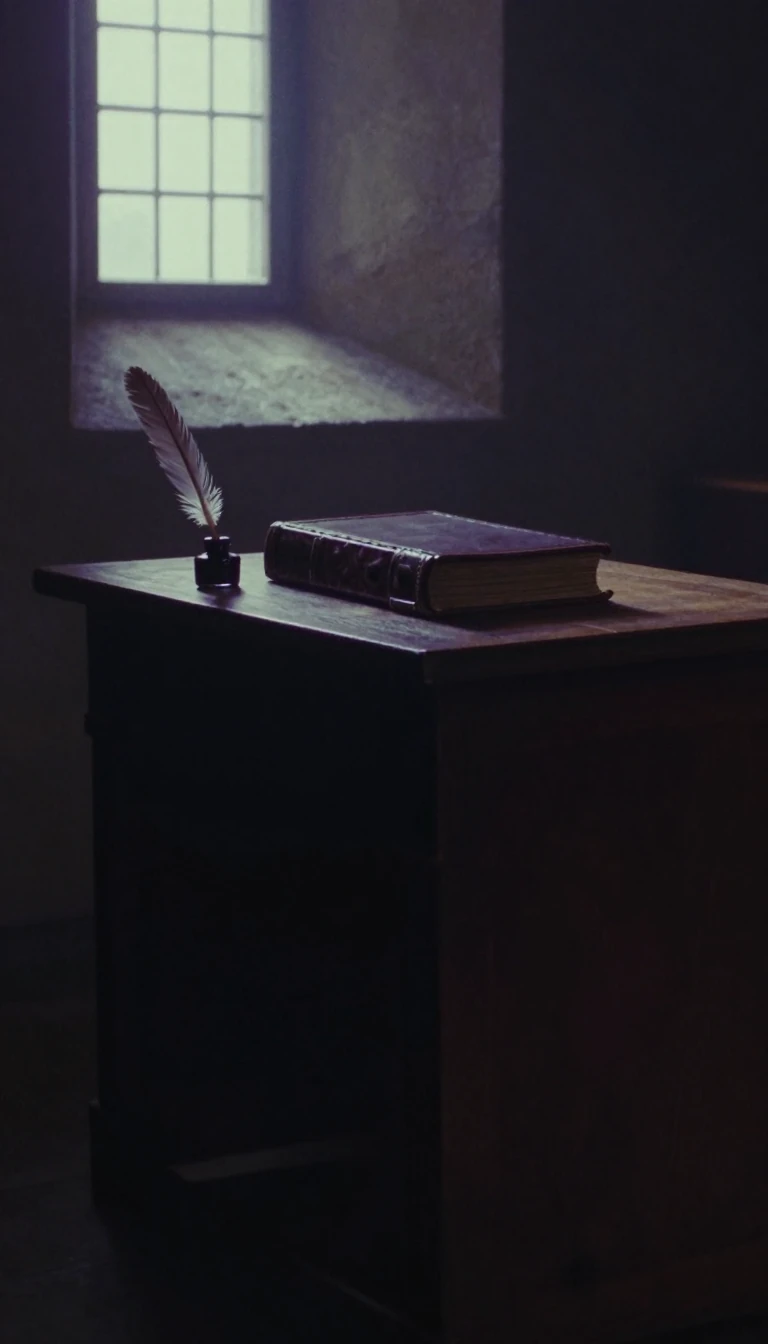
In short: Far from a dark age of silence, the medieval period produced a rich tapestry of heroic epics, courtly romances, and bawdy street dramas. While the Church preserved classical wisdom, common people transformed ancient oral traditions into the foundational stories of Europe, blending pagan legends with the emerging spirit of Christian thought.
The medieval literary landscape was defined by a profound habit of symbolic interpretation. Influenced by St. Augustine, thinkers reconciled Christian doctrine with classical philosophy, viewing nature as a sacramental revelation. This allegorical framework allowed writers to treat Virgil as a pre-Christian prophet, mirroring the symbolic journey Dante later immortalized in The Divine Comedy. Monastic centers, such as St. Benedict’s monastery at Monte Cassino established in 529, acted as vital repositories, preserving classical Latin texts amidst the turbulence of the Goth, Vandal, and Norse raids.
While Latin remained the language of philosophy, theology, and history, the period’s most distinct literary values flourished in the vernacular. Heroic epics like Beowulf and the Song of Hildebrand emerged from a common Germanic oral tradition, later recorded by Christian scribes who fused pagan narratives with their own worldview. By the high medieval period, new genres like the romance and the courtly love lyric—largely originating in France—replaced feudal epics with tales of chivalry and idealized romance. These works, alongside the minnesingers of Germany and the Carmina Burana, reflected a complex, heterogeneous culture.
Drama also underwent a significant evolution, migrating from religious ceremonies within the church to the secular streets. What began as simple gestures or mime during services grew into elaborate mystery, miracle, and morality plays. Performed by guild craftsmen in town squares, these productions often masked their religious titles with bawdy, farcical humor. By the time figures like Chaucer and Boccaccio appeared in the late 15th century, they were not merely chronicling the medieval scene; they were masterfully bridging the gap between the medieval world and the intellectual rebirth of the Renaissance.
Opens the Intellect+ feed with this card first. Swipe up for the next one.
Sources
- Summary by Intellect · source: Western literature - Medieval, Epic, Romance | Britannica
- Also: Medieval literature
To cite this card, link to https://intellectplus.co.uk/app/art-medieval-literature.
How we source, check and correct cards: Editorial standards.
General information, not professional advice. Spotted an error? Flag the card or see corrections and complaints.
Intellect Plus is a visual educational discovery platform for exploring fascinating facts and ideas. Brain Food, Not Brain Rot. What is Intellect Plus?
Related
More in Literature · More in Art · Latest · A–Z · All topics
