How a commercial illustrator mastered the art of human struggle
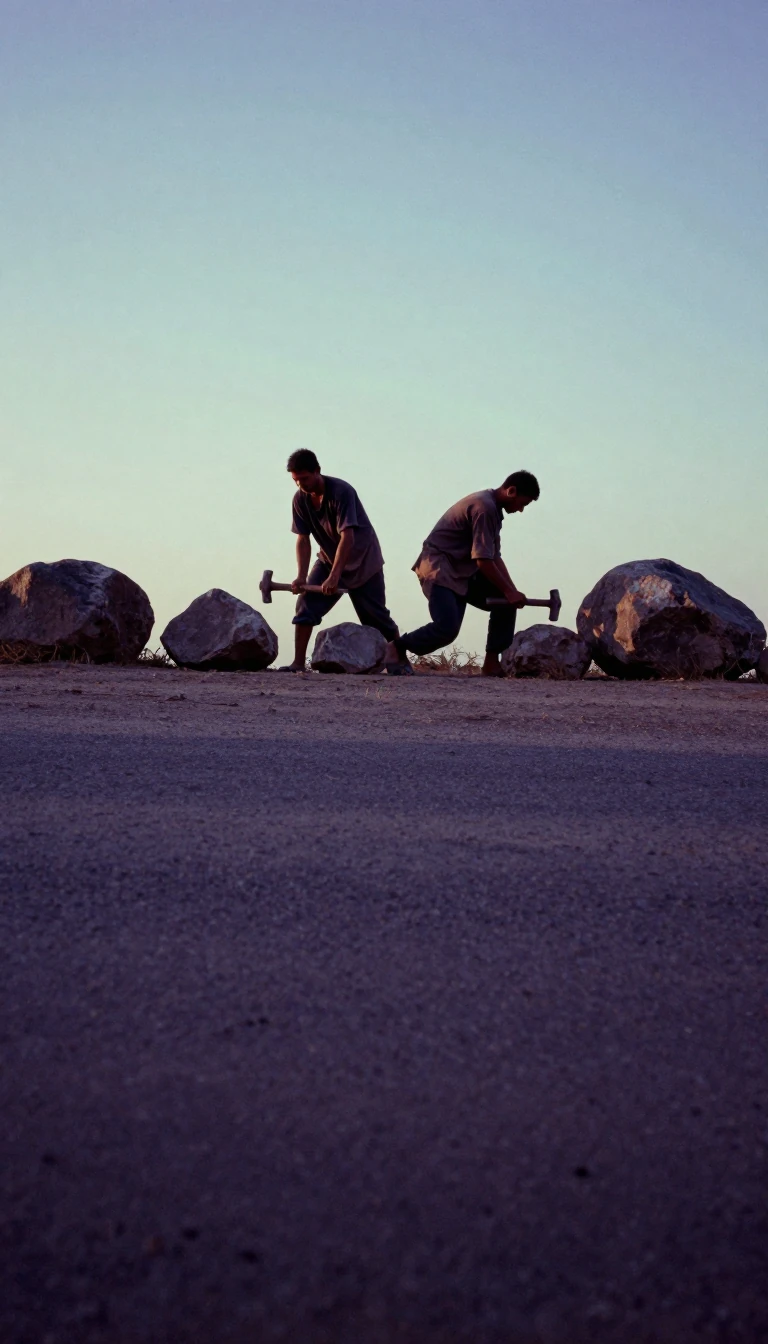
In short: Winslow Homer began his career copying designs for sheet music. Yet, this self-taught American painter evolved from a routine lithographer into a master of the sea, using light and watercolor to capture the profound, often lonely, tension between humanity and an indifferent universe.
Born in 1836 in Boston, Homer’s early professional life was far from poetic. At 19, he entered a repetitive apprenticeship at the John Bufford lithographic firm, a period he later described as a 't'. By 1859, he had moved to New York City to work as a freelance illustrator for publications like Harper’s Weekly. During the American Civil War, his work focused less on the violence of battle and more on the quiet, everyday realities of camp life.
His artistic trajectory shifted significantly through his engagement with different mediums and geographies. While he was already an accomplished oil painter, it was not until age 37 that he began working in watercolor. This medium allowed him to capture the rapid, fresh observations of nature, a skill he refined during summer travels through New England and the tropics. His later works, such as the 1899 piece 'After the Hurricane, Bahamas', demonstrate a sophisticated use of light and color to depict the dangerous weather of the Caribbean.
A pivotal moment occurred in 1881 when, at age 45, Homer traveled to the North Sea fishing port of Cullercoats, England. This period of intense growth saw him move away from the bright, social scenes of his youth toward more solitary, powerful subjects. He became fascinated by the hardy fisherfolk and the atmospheric challenges of the English coast. His mature style often explored the theme of human struggle against the elements, using the weight of oil or the fluid transparency of watercolor to illustrate the precariousness of life.
Despite his eventual status as a preeminent figure in American art, Homer’s path was marked by periods of isolation and professional uncertainty. By 1880, he began exhibiting increasingly antisocial behavior, eventually settling in the remote community of Prouts Neck, Maine, where he lived until his death in 1910.
Opens the Intellect+ feed with this card first. Swipe up for the next one.
Sources
- Summary by Intellect · source: Winslow Homer | Biography, Art, Paintings, Watercolor, & Facts | Britannica
- Also: Winslow Homer
- Also: Art Institute of Chicago — After the Hurricane, Bahamas · CC0 (data); description CC BY 4.0
To cite this card, link to https://intellectplus.co.uk/app/art-winslow-homer.
How we source, check and correct cards: Editorial standards.
General information, not professional advice. Spotted an error? Flag the card or see corrections and complaints.
Intellect Plus is a visual educational discovery platform for exploring fascinating facts and ideas. Brain Food, Not Brain Rot. What is Intellect Plus?
Related
More in Visual artists · More in Art · Latest · A–Z · All topics
