Why a Victorian painter built a house in Jerusalem to capture divine truth
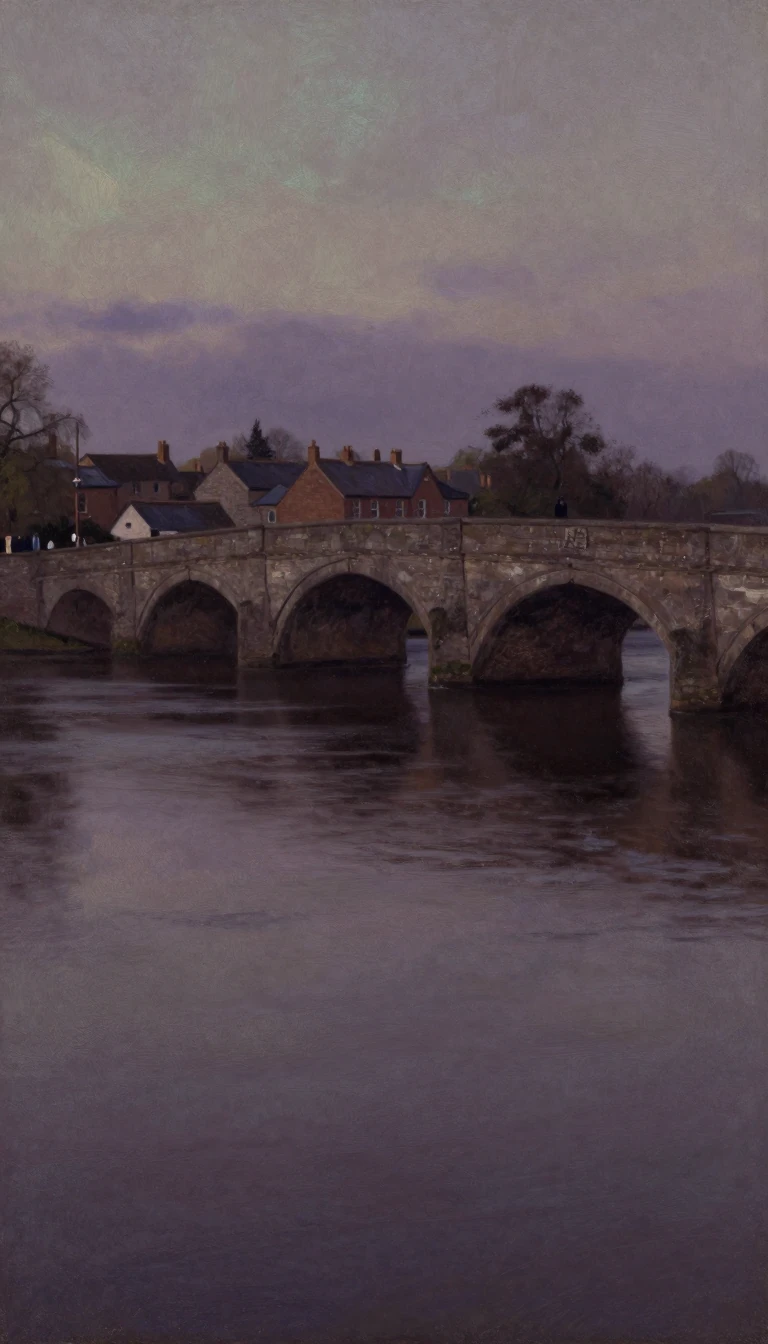
In short: William Holman Hunt was a founding member of the Pre-Raphaelite Brotherhood who rejected Renaissance conventions for intense, symbolic realism. Driven by a desire to make biblical history tangible, he traveled to the Holy Land, where he meticulously painted landscapes and religious scenes, forever changing the trajectory of 19th-century British art.
Born in London in 1827, Hunt initially faced rejection from the Royal Academy before establishing the Pre-Raphaelite movement in 1848 alongside Dante Gabriel Rossetti and John Everett Millais. The group sought to revitalize art by prioritizing detailed observation of nature, drawing inspiration from the spiritual depth of medieval works rather than the rationalism associated with Raphael. Hunt remained the most steadfast adherent to these principles throughout his long career.
Hunt believed that the world functioned as a complex system of visual signs, a philosophy shaped by the intellectual climate of his time. He viewed the artist's primary responsibility as revealing the connection between these signs and objective facts. This commitment to symbolic detail often drew criticism from the contemporary press, which initially dismissed his work as ugly or clumsy. Despite this, he became famous for his religious paintings, most notably The Light of the World, which exists in versions dating from 1851 to 1900.
His pursuit of authenticity led him to the Holy Land in the mid-1850s, where he sought precise topographical and ethnographical data to ground his religious narratives. He eventually constructed a home in Jerusalem to facilitate this work. His personal life was marked by significant upheaval, including the death of his first wife, Fanny Waugh, in 1866, and a controversial marriage to her sister, Edith, which necessitated travel to Switzerland to circumvent British law. In his later years, failing eyesight forced him to rely on assistants like Edward Robert Hughes to complete his final masterpieces.
By the end of his life, Hunt was a celebrated figure, receiving the Order of Merit in 1905 and publishing an autobiography that aimed to dictate how his legacy would be interpreted. He died in 1910 and was interred at St Paul's Cathedral. Today, his influence persists through his extensive catalogue of works and the enduring fascination with his uncompromising dedication to his quasi-religious vision of truth.
Opens the Intellect+ feed with this card first. Swipe up for the next one.
Sources
- Summary by Intellect · source: William Holman Hunt
To cite this card, link to https://intellectplus.co.uk/app/art-william-holman-hunt.
How we source, check and correct cards: Editorial standards.
General information, not professional advice. Spotted an error? Flag the card or see corrections and complaints.
Intellect Plus is a visual educational discovery platform for exploring fascinating facts and ideas. Brain Food, Not Brain Rot. What is Intellect Plus?
Related
More in Visual artists · More in Art · Latest · A–Z · All topics
