Youssef Chahine: The Egyptian Auteur Who Used Cinema to Map His Own Soul
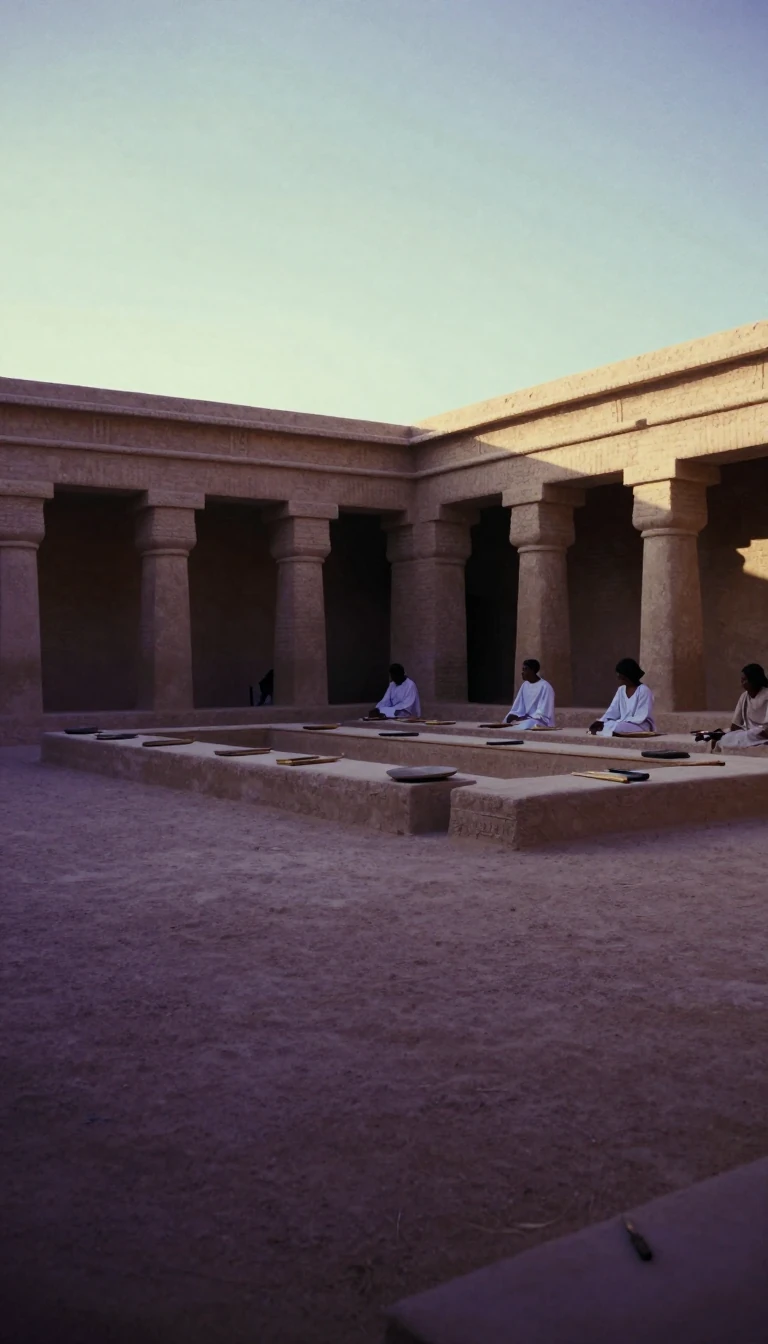
In short: From a childhood spent beating up neighborhood kids who skipped his backyard film screenings to becoming a Cannes-lauded icon, Youssef Chahine transformed Egyptian cinema. He navigated political censorship, religious controversy, and personal obsession, ultimately turning his own life into an expansive, four-part autobiographical quartet that redefined the boundaries of Middle Eastern film.
Born in 1926 in cosmopolitan Alexandria, Youssef Chahine was a product of a multilingual, aristocratic household that valued education over wealth. His early obsession with the medium was intense; he famously formed a neighborhood gang to enforce attendance at his childhood film shows. After graduating from the elite Victoria College in 1944, he defied his parents' wishes for an engineering career, eventually studying theater at the Pasadena Playhouse in California, where he graduated at the top of his class.
Chahine’s career, spanning from 1950 to 2008, was marked by a relentless pursuit of artistic independence. He launched the career of Omar Sharif and directed over a dozen films recognized among the top 100 in Egyptian history. Yet, his work frequently clashed with political and religious authorities. His 1958 classic Cairo Station shocked audiences with its raw depiction of violence and sexuality, while his 1994 film The Emigrant ignited fierce controversy between liberals and fundamentalists over the portrayal of religious figures.
Perhaps his most personal achievement was his autobiographical quartet, released between 1978 and 2004. Through the character of Yehia, Chahine explored his own sexuality, family dynamics, and identity as an auteur. These films, including Alexandria... Why? and Alexandria... New York, served as both a mirror to his own life and a political commentary on the evolving relationship between Egypt and the world. Whether directing epics like Saladin the Victorious or intimate dramas, Chahine remained committed to his philosophy: creating first for himself, then for his family, and finally for his home.
His legacy is defined by a refusal to be silenced by state-backed film industries or societal norms. Even when faced with censorship or the failure of projects like his Lebanese-shot musical Sands of Gold, he continued to experiment with styles ranging from verité to formalism. By the time he received the Cannes 50th Anniversary Award in 1997, Chahine had cemented his status as a bridge between cultures, using the camera to reconcile the history of his childhood city with the complexities of modern existence.
Opens the Intellect+ feed with this card first. Swipe up for the next one.
Sources
- Summary by Intellect · source: Youssef Chahine
To cite this card, link to https://intellectplus.co.uk/app/art-youssef-chahine.
How we source, check and correct cards: Editorial standards.
General information, not professional advice. Spotted an error? Flag the card or see corrections and complaints.
Intellect Plus is a visual educational discovery platform for exploring fascinating facts and ideas. Brain Food, Not Brain Rot. What is Intellect Plus?
Related
More in Filmmakers and theatre directors · More in Art · Latest · A–Z · All topics
