From blockbuster spectacles to the solemnity of marriage: a year of cinematic and artistic shifts
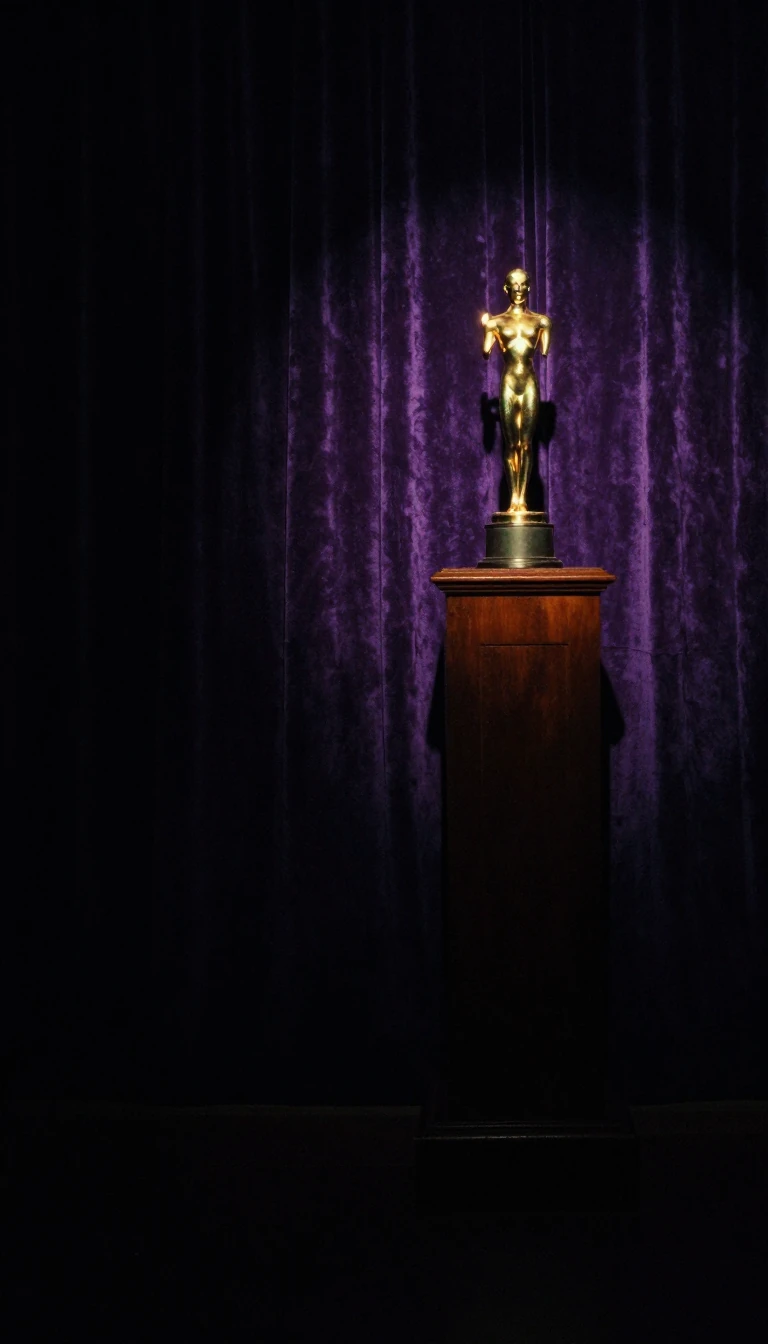
In short: The year 2000 was a crossroads for global culture. While Hollywood celebrated massive box-office hits and Academy Award winners, the art world reflected on the profound histories of the American experience and the innovative reuse of industrial materials.
In the cinematic landscape, the year 2000 was defined by both massive commercial success and critical acclaim. At the global box office, Mission: Impossible 2 emerged as the top grosser. In North America, the industry celebrated the success of Gladiator, which secured both Best Picture and Best Actor honors for Russell Crowe at the Academy Awards. While high-budget spectacles like Dinosaur dominated the financial charts as the year's most expensive film, other genres reached historic milestones. The stop-motion animation Chicken Run became the highest-grossing film of its kind ever produced, and Dr. Seuss' How the Grinch Stole Christmas achieved a record-breaking $55.1 million opening weekend, the highest debut for a Christmas-themed film and a peak for both director Ron Howard and actor Jim Carrey.
The year also marked a moment of transition in the fine arts. The passing of the influential American modernist Jacob Lawrence, who lived from 1917 to 2000, left a legacy of works that documented the Black American experience. His 1948 painting, The Wedding, utilized egg tempera to capture the solemnity and joy of marriage, using composition to invite viewers into the ceremony. Lawrence's work often explored broader historical narratives, such as the Great Migration and the life of Harriet Tubman.
Simultaneously, the era's design language continued to experiment with the boundaries of utility and art. Designers like Ron Arad had already set a precedent for this by repurposing discarded industrial objects, such as mounting a Rover 2000 car seat onto scaffolding to create the Rover Car Chair. This spirit of innovation, where preexisting objects are transformed into inventive new constructions, mirrored the broader cultural movement of the time toward re-evaluating the materials and stories that define our modern world.
Opens the Intellect+ feed with this card first. Swipe up for the next one.
Sources
- Summary by Intellect · source: 2000 in film
- Also: Art Institute of Chicago — The Wedding · CC0 (data); description CC BY 4.0
To cite this card, link to https://intellectplus.co.uk/app/art-2000-in-film.
How we source, check and correct cards: Editorial standards.
General information, not professional advice. Spotted an error? Flag the card or see corrections and complaints.
Intellect Plus is a visual educational discovery platform for exploring fascinating facts and ideas. Brain Food, Not Brain Rot. What is Intellect Plus?
Related
More in Filmmakers and theatre directors · More in Art · Latest · A–Z · All topics
