The world's most popular beverage comes from a plant with a complex, ancient history.
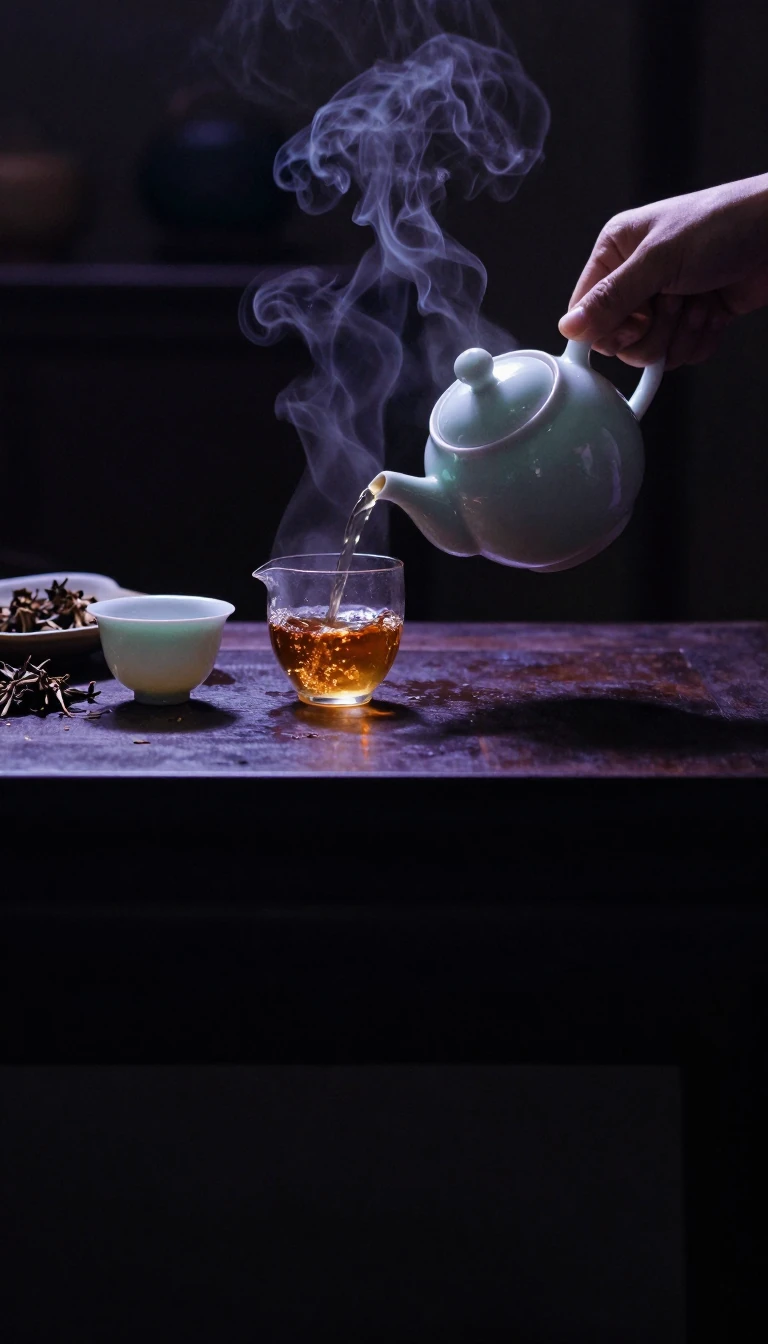
In short: Camellia sinensis is more than just a shrub; it is a botanical enigma with a genome larger than most plants. From the highlands of Asia to plantations in Scotland, this evergreen has been cultivated for millennia, yet its true origins remain a subject of intense scientific debate among experts.
The tea plant, Camellia sinensis, is a woody evergreen that can grow up to 20 meters tall, though it is typically pruned to waist height in commercial plantations to simplify harvesting. Its leaves, buds, and stems are the source of all true teas, from delicate white to robust black varieties. While the plant is native to the highlands spanning southwestern China, northern Myanmar, and northeastern India, its long history of human cultivation has obscured its natural range. Experts continue to debate whether the species originated in the borderlands of India and Myanmar or further northeast in China's Yunnan province.
Genetic research has provided new insights into the plant's evolution. Scientists have identified two primary varieties: C. sinensis var. sinensis and C. sinensis var. assamica. Estimates suggest these lineages diverged approximately 22,000 years ago, during the last glacial maximum. Further complexity exists within the Assam type, which appears to have multiple parentages and histories of hybridization with related species like Camellia taliensis and Camellia pubicosta. In 2017, researchers sequenced the genome of the Assam variety, revealing a massive structure of three billion base pairs, a size that exceeds most previously studied plant genomes.
Beyond its cultural significance, the plant employs a sophisticated chemical defense system. Young leaves synthesize caffeine, a purine alkaloid that functions as a natural pesticide, capable of paralyzing or killing herbivorous insects. This biosynthetic process is regulated by specific enzymes, such as caffeine synthase, which is encoded by the TCS1 gene. While tea has been consumed for thousands of years—with records of its use dating back 3,000 years—modern science has yet to find high-quality clinical evidence confirming specific health benefits for humans, though its extract has been approved for treating certain skin conditions. Today, this resilient shrub thrives from the equator to as far north as 59°N latitude in the Orkney Islands.
Opens the Intellect+ feed with this card first. Swipe up for the next one.
Sources
- Summary by Intellect · source: Camellia sinensis
To cite this card, link to https://intellectplus.co.uk/app/culture-camellia-sinensis.
How we source, check and correct cards: Editorial standards.
General information, not professional advice. Spotted an error? Flag the card or see corrections and complaints.
Intellect Plus is a visual educational discovery platform for exploring fascinating facts and ideas. Brain Food, Not Brain Rot. What is Intellect Plus?
Related
More in Traditions & customs · More in Cultures · Latest · A–Z · All topics
