A script born of spirit worlds and missionary struggle
In short: In the 1840s, a writing system emerged that would grant the Cree some of the highest literacy rates in the world. While Western history credits a missionary, Cree oral tradition tells a story of a man who died and returned from the spirit world with a sacred gift of symbols.
The Canadian syllabic system is an abugida, a script where each glyph represents a consonant-vowel pair. Developed in 1840 by missionary James Evans, the system was inspired by the Devanagari script of India and the success of the Cherokee syllabary. Evans sought a way to write Indigenous languages like Ojibwe and Cree, which were often cumbersome to transcribe using the Latin alphabet due to their polysynthetic structure. Despite resistance from colonial authorities—including the Hudson's Bay Company, which refused to provide printing equipment to discourage native literacy—the system flourished because of its inherent ease of use.
The script's journey is one of rapid indigenization. Once established, it spread quickly among the Cree, who used it to leave messages on tree bark along hunting trails. By 1861, a Bible was published in Cree syllabics. The system was later adapted for Inuktitut and various Athabaskan languages, such as Dakelh and Slavey, by different missionaries who modified the characters to accommodate diverse phonetics. Today, it remains a vital, distinct writing system for numerous Indigenous communities across Canada.
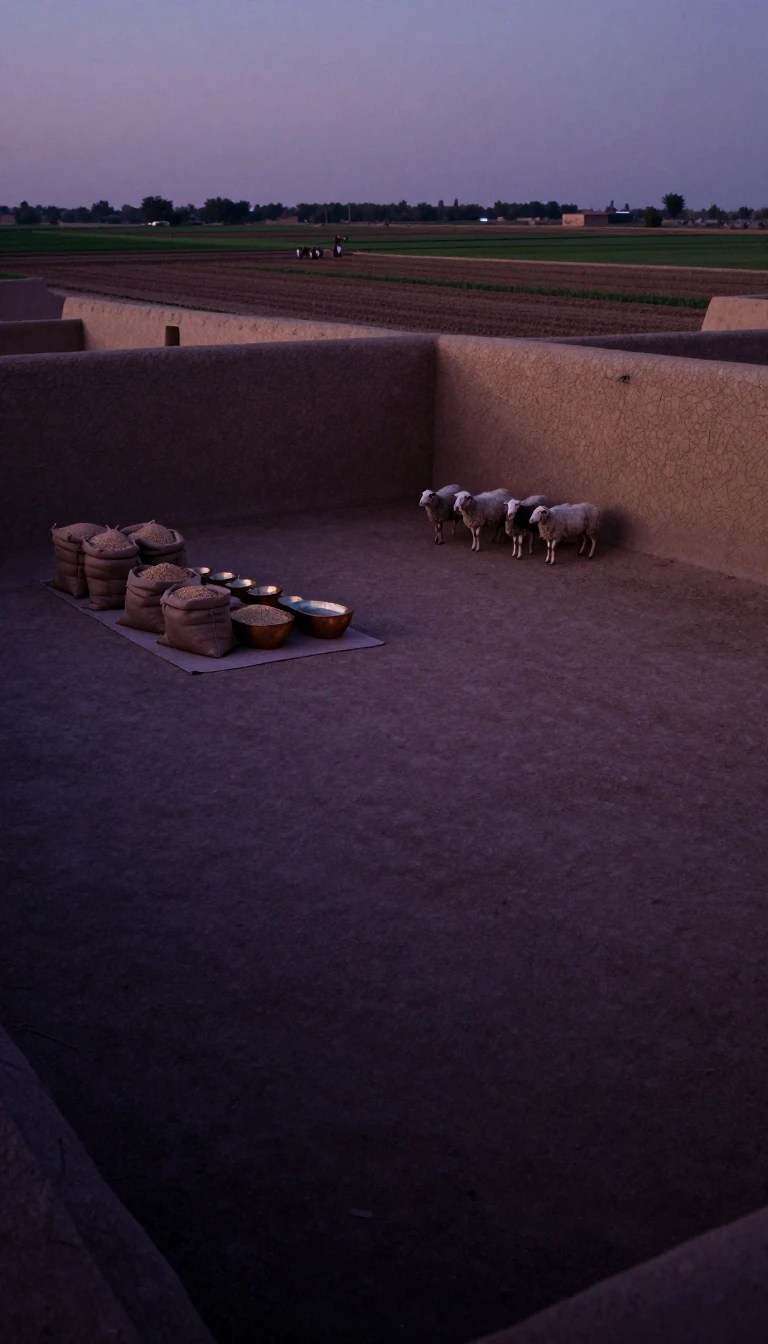
However, the origin of the script is a point of profound cultural divergence. While Western records attribute the invention to Evans, Cree oral tradition identifies the creator as Calling Badger (Mistanaskowêw). According to tradition, Badger died and returned from the 'Fourth World' (the spirit world) with the symbols. This narrative includes a prophetic warning: the missionaries would claim the script as their own, but only those who truly knew the Cree language would be able to read it. This dual history highlights the tension between colonial documentation and the enduring sovereignty of Indigenous knowledge.
Opens the Intellect+ feed with this card first. Swipe up for the next one.
Sources
- Summary by Intellect · source: Canadian Aboriginal syllabics
To cite this card, link to https://intellectplus.co.uk/app/culture-canadian-aboriginal-syllabics.
How we source, check and correct cards: Editorial standards.
General information, not professional advice. Spotted an error? Flag the card or see corrections and complaints.
Intellect Plus is a visual educational discovery platform for exploring fascinating facts and ideas. Brain Food, Not Brain Rot. What is Intellect Plus?
Related
More in Language · More in Cultures · Latest · A–Z · All topics
