Why most of the ancient Celtic world's mythology remains a profound, unsolvable mystery
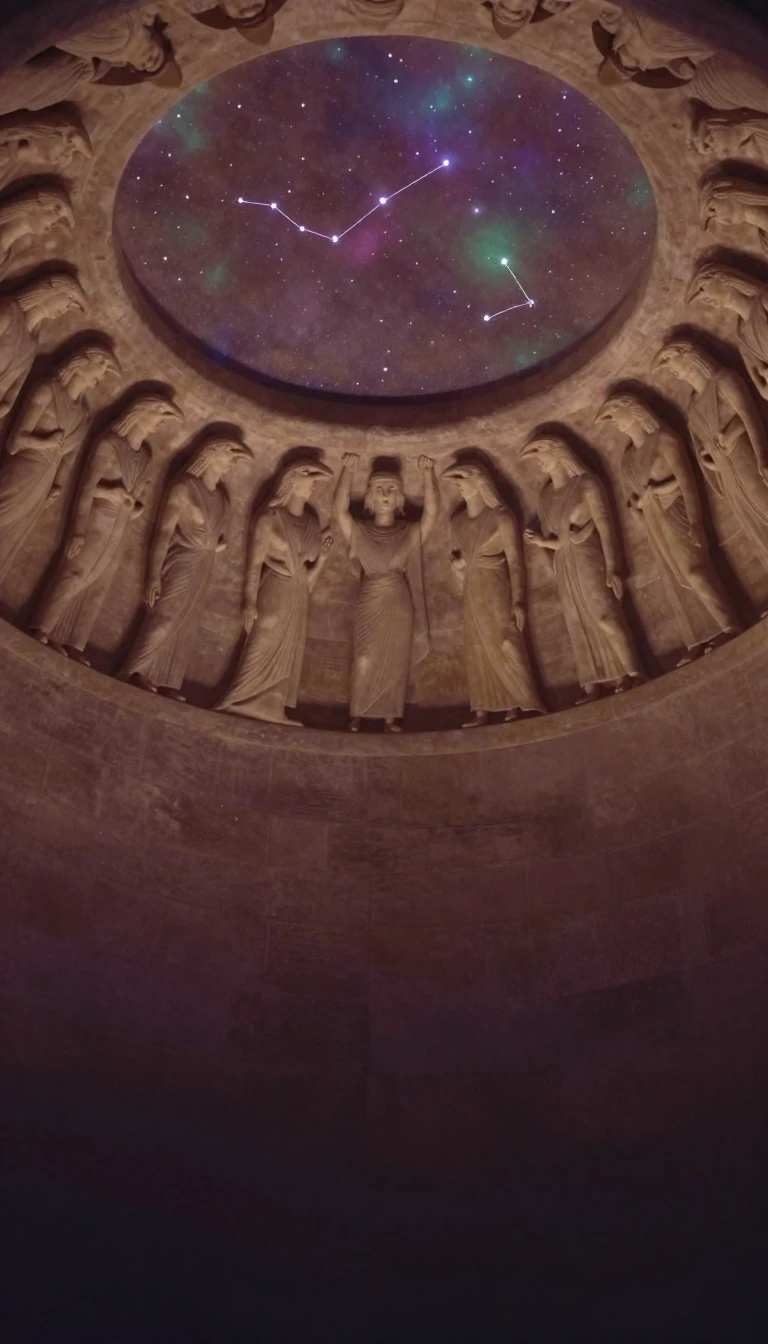
In short: Celtic mythology was never a single, unified belief system. Because the Celts lacked a central authority and their continental records were largely erased by Roman conquest and Christian conversion, we are left with only fragmented remnants. Discover how these scattered echoes reveal a complex, diverse, and deeply regional spiritual landscape.
The Celtic world at its peak spanned much of central and western Europe, yet it lacked political unity or a central cultural authority. This absence of homogeneity meant that religious practices varied significantly by region. While over three hundred deities are known through inscriptions, most were local or tribal gods rather than widely worshiped figures. Despite this fragmentation, scholars can discern common motifs that suggest a more unified pantheon than is often credited, with certain figures like the god Lugh appearing across vast distances.
The survival of this mythology is highly uneven. Continental Celtic traditions, such as those of the Gauls, were largely lost following Roman conquest and conversion to Christianity. Much of what we know today comes from Insular Celtic sources—specifically the Gaels of Ireland and Scotland and the Celtic Britons. These myths were preserved through oral tradition before being recorded by medieval Christian scribes, who often modified the content, stripping away original religious meanings to suit their own worldview.
Irish mythology provides the most extensive written body of work, organized into cycles like the Mythological Cycle, which details the god-like Tuatha Dé Danann, and the heroic Ulster Cycle. In contrast, British mythology is harder to reconstruct; while texts like the Four Branches of the Mabinogi contain mythological reflexes, they do not form a coherent creation narrative. Across the board, our understanding relies on a mix of archaeology, Roman accounts—such as Julius Caesar’s observations on Gaulish deities—and the analysis of cognate names that link ancient continental figures to later Insular traditions.
Ultimately, the study of Celtic mythology is an exercise in piecing together a shattered mirror. Whether through the Ogham script used for personal names or the votive items like the Coligny calendar, the evidence is sparse. We are left with a landscape where regional preferences for specific symbols, such as the three-headed god or the horseman with a kneeling giant, hint at a shared cultural stock that was distributed along ancient trade routes, even if the full stories behind these images are forever lost.
Opens the Intellect+ feed with this card first. Swipe up for the next one.
Sources
- Summary by Intellect · source: Celtic mythology
To cite this card, link to https://intellectplus.co.uk/app/culture-celtic-mythology.
How we source, check and correct cards: Editorial standards.
General information, not professional advice. Spotted an error? Flag the card or see corrections and complaints.
Intellect Plus is a visual educational discovery platform for exploring fascinating facts and ideas. Brain Food, Not Brain Rot. What is Intellect Plus?
Related
More in Languages · More in Cultures · Latest · A–Z · All topics
