Why a simple pencil game became a global viral phenomenon in 2015
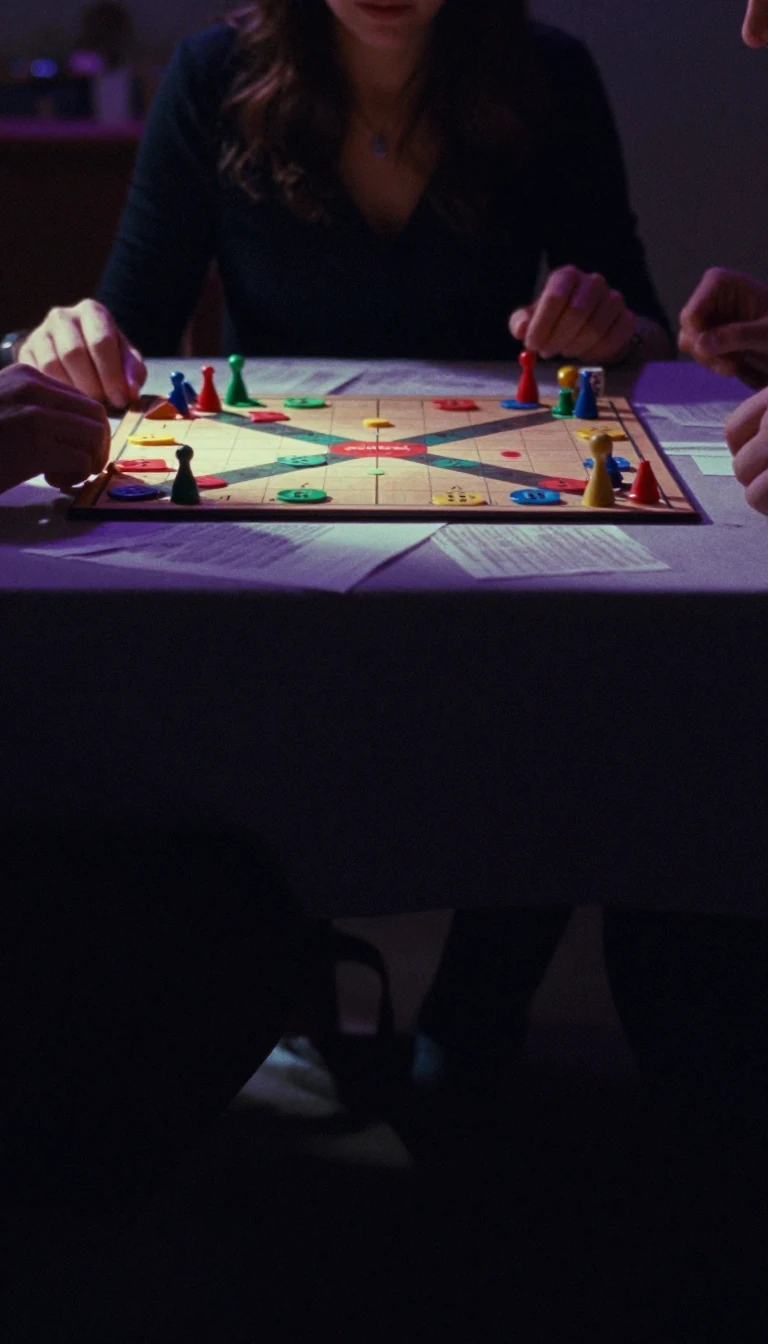
In short: The Charlie Charlie challenge captivated teenagers worldwide as a modern divination ritual. While participants sought answers from a supposed Mexican spirit, the game is actually a recycled tradition fueled by social media, human psychology, and the simple physics of a precariously balanced pencil reacting to a player's breath.
The game involves crossing two pencils to create a grid marked with 'yes' and 'no' sectors. Players ask a supernatural entity named 'Charlie' questions, expecting the top pencil to rotate toward an answer. Although often framed as a Mexican tradition, experts like Maria Elena Navez of BBC Mundo note that no such demon exists in Mexican folklore, and the name 'Charlie' is likely an American invention. The game is a modern iteration of an older Spanish pastime known as Juego de la Lapicera.
The movement of the pencil is easily explained by physics. Because the top pencil is balanced on a central pivot, it is highly sensitive to external factors such as wind gusts or the subtle, often unconscious, breathing of players. Psychologists like Chris French attribute the perceived intelligence behind these movements to human agent detection and pareidolia—our inherent tendency to find patterns and meaning in random events. When players expect a result, they may inadvertently influence the outcome through subtle physical cues, a phenomenon similar to the ideomotor effect seen in Ouija boards.
The game's rapid spread in 2015 was amplified by social media and sensationalist reporting. A satirical article from The Racket Report falsely claimed the game caused 500 deaths, a story that was mistakenly treated as news by the Fiji Sun, leading to a government ban in Fiji. Similar moral panics occurred elsewhere, with Christian critics reframing the game as Satanic to assert authority over supernatural encounters. Despite these fears, experts like Stephen Schlozman suggest the game serves as a developmental rite of passage, allowing teenagers to explore the thrill of danger in a controlled, social environment.
Ultimately, the Charlie Charlie challenge serves as a case study in digital virality. It crossed language barriers through hashtags and was even leveraged by film studios to promote horror movies. While some participants reported genuine fear or mass hysteria, the consensus among skeptics is that the game is a harmless, kitschy pastiche. As David Emery argues, when scientific explanations like air currents and suggestion suffice, there is no reason to invoke the supernatural.
Opens the Intellect+ feed with this card first. Swipe up for the next one.
Sources
- Summary by Intellect · source: Charlie Charlie challenge
To cite this card, link to https://intellectplus.co.uk/app/culture-charlie-charlie-challenge.
How we source, check and correct cards: Editorial standards.
General information, not professional advice. Spotted an error? Flag the card or see corrections and complaints.
Intellect Plus is a visual educational discovery platform for exploring fascinating facts and ideas. Brain Food, Not Brain Rot. What is Intellect Plus?
Related
More in Traditions & customs · More in Cultures · Latest · A–Z · All topics
