Why Spain is a climatic mosaic of mountains, deserts, and maritime influence
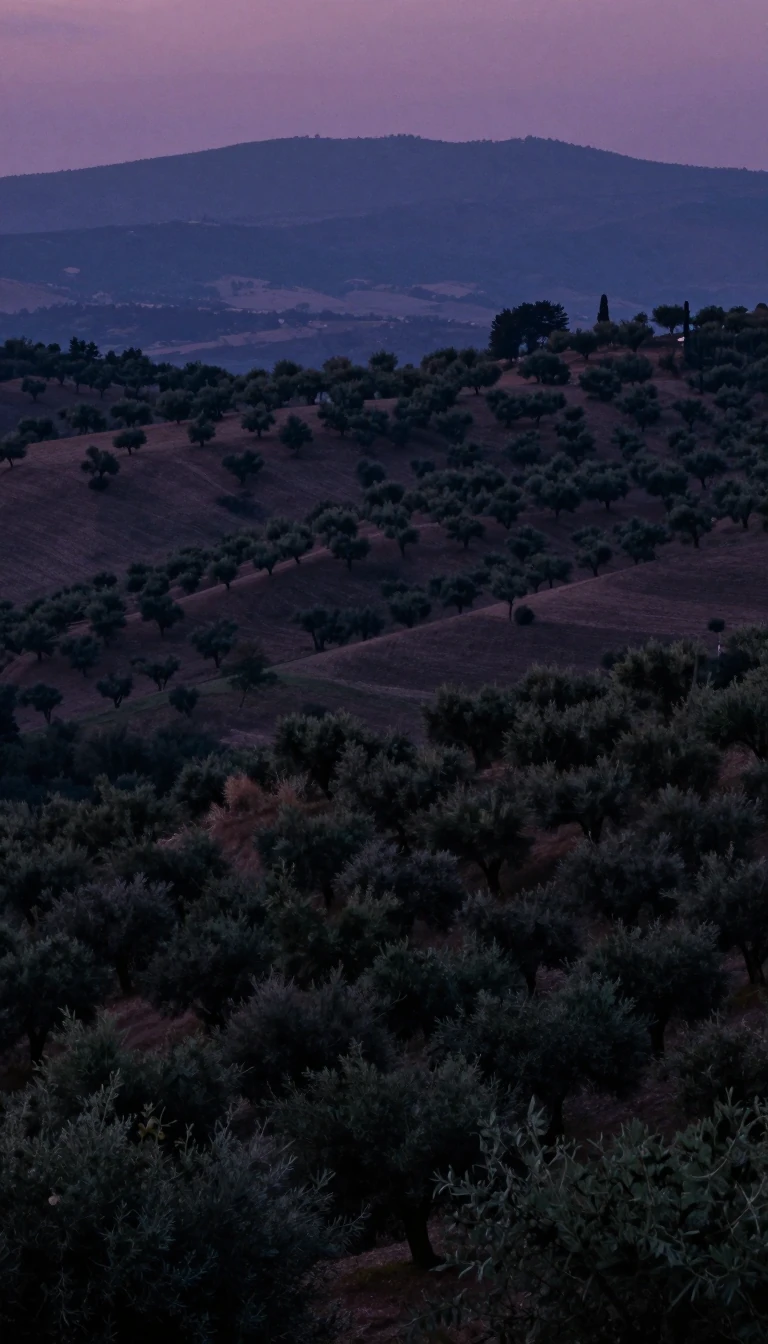
In short: Spain is not a monolith of sun and sand. Its climate is a complex intersection of Atlantic moisture, Saharan heat, and rugged mountain ranges. From the rain-drenched coasts of the north to the arid plains of the interior, the peninsula creates its own distinct, often extreme, weather patterns.
The Spanish climate is defined by the interplay of three primary regimes: maritime, continental, and mountain. This diversity is driven by the country's size, which allows for a continental thermal cycle, and its geography, which acts as a filter for external influences. The Atlantic Ocean provides maritime moisture, while North Africa periodically pushes Saharan air toward the peninsula. Crucially, Spain’s mountainous relief—including the Pyrenees and the Cantabrian ranges—exaggerates local aridity by creating rain shadows on leeward sides, effectively trapping warm, dry subtropical air during the summer.
Regional variations are stark. Northern Spain, stretching from Galicia to Catalonia, experiences a temperate maritime climate with high rainfall. In contrast, the interior and the Mediterranean coast follow a Mediterranean pattern with continental tendencies. Here, the landscape is often dry, with hot summers and relatively cold winters. Specific local winds further shape these environments: the easterly levante brings clear, dry weather to the Strait of Gibraltar, while the hot, dust-laden leveche and the suffocating solano can blight vegetation and create unbearable conditions across the Andalusian plain and the Levantine lowlands.
This climatic variety dictates the country's ecology. More than half of Spain is covered by Mediterranean vegetation, dominated by drought-resistant evergreen oaks and scrubland known as matorral. In the north, deciduous forests of oak and beech thrive. The proximity to Africa has also enriched Spain’s biodiversity, introducing species rarely seen elsewhere in Europe, while the Pyrenean barrier has helped preserve indigenous wildlife. From the brown bears of the northeast to the diverse bird populations in the Coto Doñana National Park, the landscape remains a testament to the country's unique environmental history.
The human history of the peninsula is inextricably linked to this geography. Early settlers, including Iberians, Celts, and Basques, navigated a landscape that varied from sophisticated coastal city-states to isolated interior clans. By the 3rd century BCE, the Carthaginians moved inland to conquer, only to be supplanted by the Romans. These civilizations were drawn to the fertile valleys, such as that of the Guadalquivir, where the climate supported trade and settlement, shaping the mosaic of cultures that defines Spain today.
Opens the Intellect+ feed with this card first. Swipe up for the next one.
Sources
- Summary by Intellect · source: Spain - Mediterranean, Arid, Temperate | Britannica
- Also: Climate of Spain
To cite this card, link to https://intellectplus.co.uk/app/culture-climate-of-spain.
How we source, check and correct cards: Editorial standards.
General information, not professional advice. Spotted an error? Flag the card or see corrections and complaints.
Intellect Plus is a visual educational discovery platform for exploring fascinating facts and ideas. Brain Food, Not Brain Rot. What is Intellect Plus?
Related
More in Culture · More in Cultures · Latest · A–Z · All topics
