The Doctrine of In Loco Parentis: Why Schools Can Legally Strike Students
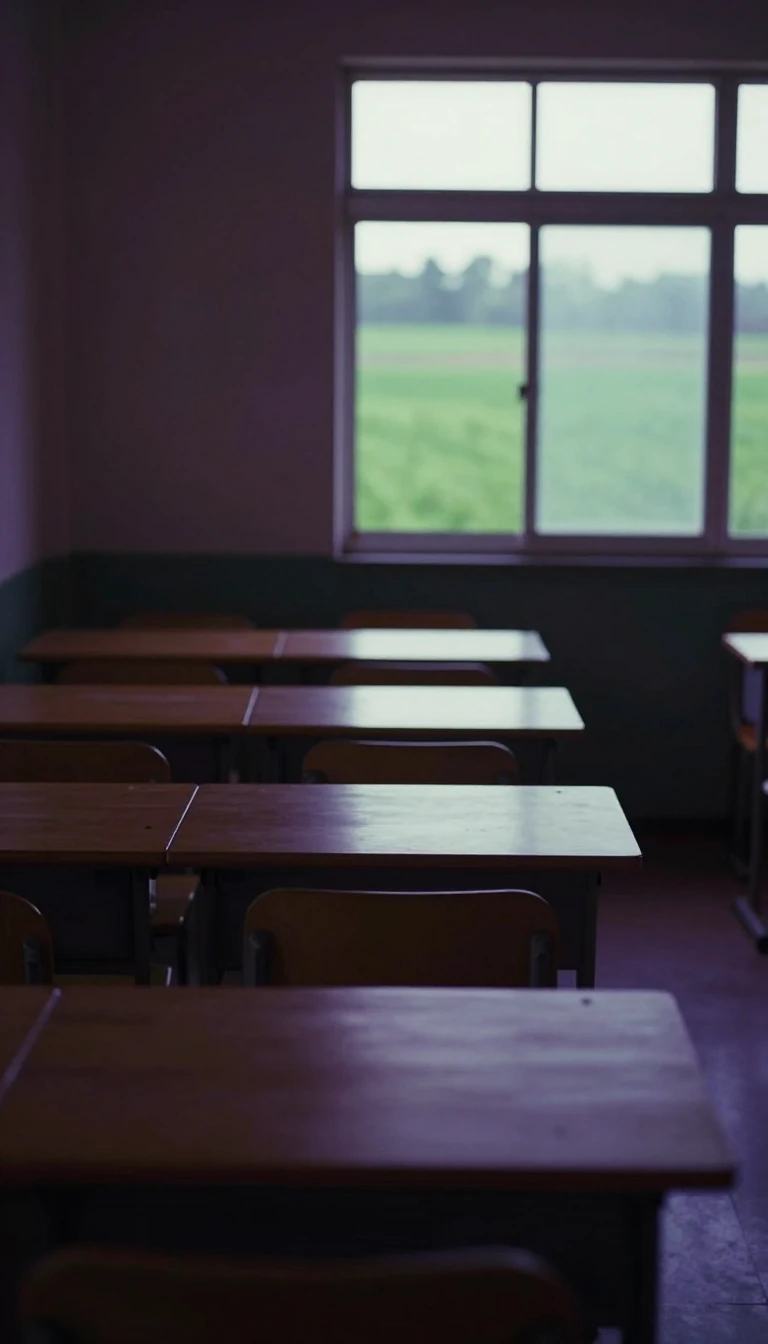
In short: For centuries, a specific legal principle allowed teachers to act as parents—granting them the authority to use physical pain as discipline. While modern medicine warns of lasting psychological damage and increased aggression, this deep-seated cultural tradition persists in dozens of countries today.
The practice of school corporal punishment is rooted in the common-law doctrine of 'in loco parentis,' which translates to 'in the place of a parent.' Originating in an English legal precedent from 1770, this doctrine establishes that educators are granted the same rights as parents to discipline children who do not follow rules. This justification has been exported globally, serving as a primary legal framework for physical discipline in both English-speaking nations and Chinese-speaking countries.
Despite its historical roots, the practice faces heavy scientific opposition. The American Academy of Pediatrics (AAP) notes that there is no empirical evidence suggesting corporal punishment improves behavior or builds moral character. Instead, research links it to adverse outcomes like school phobia, depression, and increased antisocial behavior. Furthermore, medical societies have documented severe physical risks; an estimated 1% to 2% of students subjected to such discipline in the United States receive injuries requiring medical attention, ranging from broken bones to life-threatening hemorrhages.
The global landscape is shifting rapidly. The Polish–Lithuanian Commonwealth was the first to outlaw the practice in 1783. By 2016, approximately 128 countries had prohibited it, including most of Europe and South America. However, it remains a common official punishment in parts of Africa, Southeast Asia, and the Middle East. In some regions like Thailand, it remains widespread even when technically illegal, highlighting a persistent cultural divide between international human rights standards—which view physical punishment as a violation of dignity—and local traditions.
Advocates for reform argue that corporal punishment sends a 'precarious message' to children: that violence is an acceptable tool for resolving conflict. Experts suggest that replacing physical pain with student self-governance, positive role models, and nonviolent behavior modification strategies provides more effective long-term results without the risk of retaliation or psychological trauma.
Opens the Intellect+ feed with this card first. Swipe up for the next one.
Sources
- Summary by Intellect · source: Corporal punishment in schools
To cite this card, link to https://intellectplus.co.uk/app/culture-corporal-punishment-in-schools.
How we source, check and correct cards: Editorial standards.
General information, not professional advice. Spotted an error? Flag the card or see corrections and complaints.
Intellect Plus is a visual educational discovery platform for exploring fascinating facts and ideas. Brain Food, Not Brain Rot. What is Intellect Plus?
Related
More in Languages · More in Cultures · Latest · A–Z · All topics
