Beyond the Breakfast Plate: The Ancient, Global Evolution of the Humble Crêpe
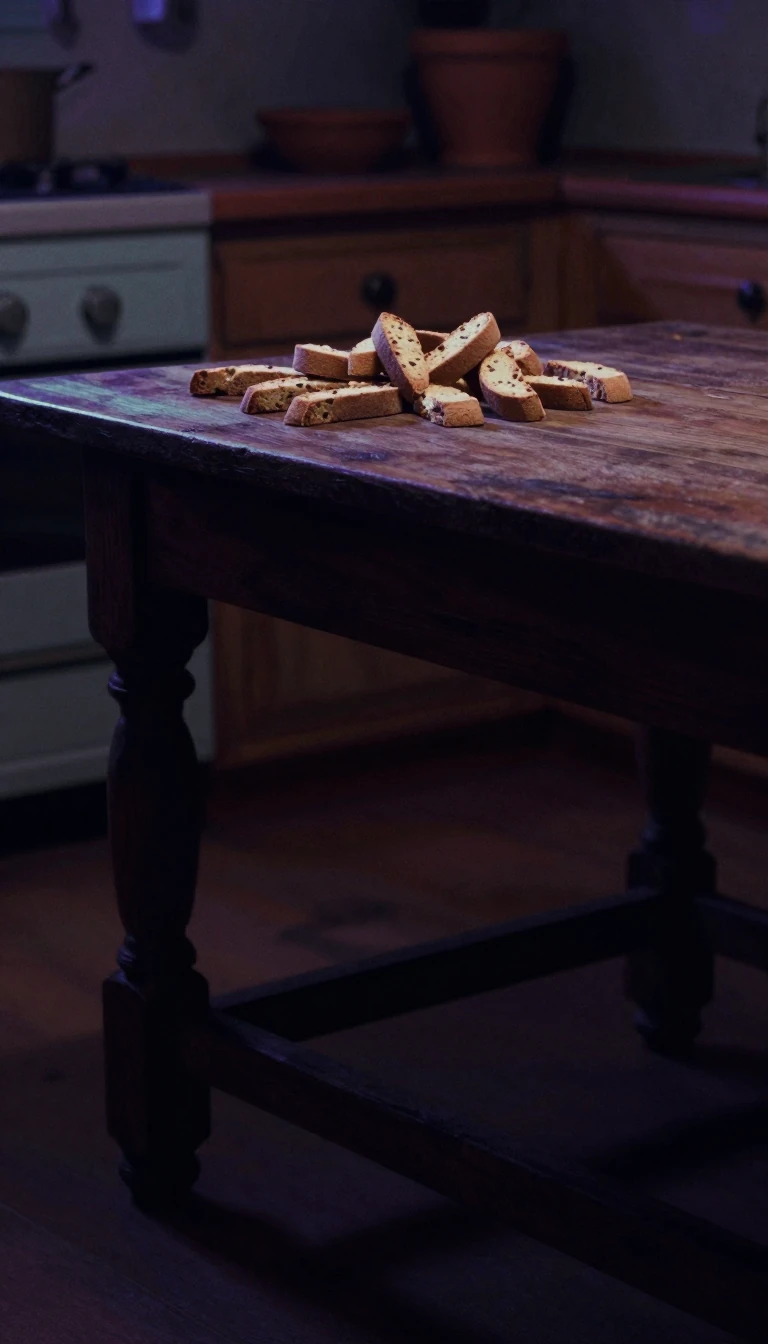
In short: Derived from the Latin for curled or wrinkled, the crêpe is far more than a simple French pancake. From sacramental bread in 472 AD to a global street food phenomenon, this thin, versatile dish mirrors the sun, marks the transition of seasons, and bridges cultures from Brittany to Harajuku.
The crêpe’s lineage is deeply intertwined with religious and seasonal symbolism. In France, the tradition of eating crêpes on La Chandeleur, or Candlemas, on February 2, dates back to 472 AD when Pope Gelasius I reportedly offered them to pilgrims. The dish’s golden hue and circular shape are widely interpreted as representations of the sun, marking the transition from winter to spring. This solar symbolism persists in other cultures, such as the Russian blini, which are consumed during the ancient Maslenitsa festival to welcome the spring season.
The preparation of crêpes is often surrounded by ritual and superstition. French tradition suggests that successfully flipping a crêpe while holding a gold coin in one's left hand brings wealth for the coming year. Beyond these rituals, the crêpe has proven remarkably adaptable. While the standard French recipe relies on flour, eggs, milk, and butter, regional variations abound. In Galicia, they may contain pork blood, while Indian varieties like the dosa use fermented rice batter. In Japan, the 1970s saw the rise of the 'Harajuku Crêpe,' a street-food adaptation inspired by ice cream monaka that transformed the dish into a sweet, portable treat.
The evolution of the crêpe also includes sophisticated culinary innovations like the mille-crêpes cake. Popularized in the 1980s by pâtissière Emy Wada, this dessert consists of 15 to 30 delicate layers of crêpes separated by cream or fruit. Whether it is the crispy crêpe dentelle of France, the sourdough 49er flapjack of the American Gold Rush, or the savory Jianbing of China, the crêpe remains a global staple. Its ability to transcend borders—from the savory buckwheat galettes of Brittany to the sweet, dulce de leche-filled panqueques of Argentina—demonstrates the enduring appeal of this simple, liquid batter cooked on a hot griddle.
Opens the Intellect+ feed with this card first. Swipe up for the next one.
Sources
- Summary by Intellect · source: Crêpe
To cite this card, link to https://intellectplus.co.uk/app/culture-cr-pe.
How we source, check and correct cards: Editorial standards.
General information, not professional advice. Spotted an error? Flag the card or see corrections and complaints.
Intellect Plus is a visual educational discovery platform for exploring fascinating facts and ideas. Brain Food, Not Brain Rot. What is Intellect Plus?
Related
More in Festivals & celebrations · More in Cultures · Latest · A–Z · All topics
