Why the curtsy evolved from a courtly necessity into a symbolic performance of grace
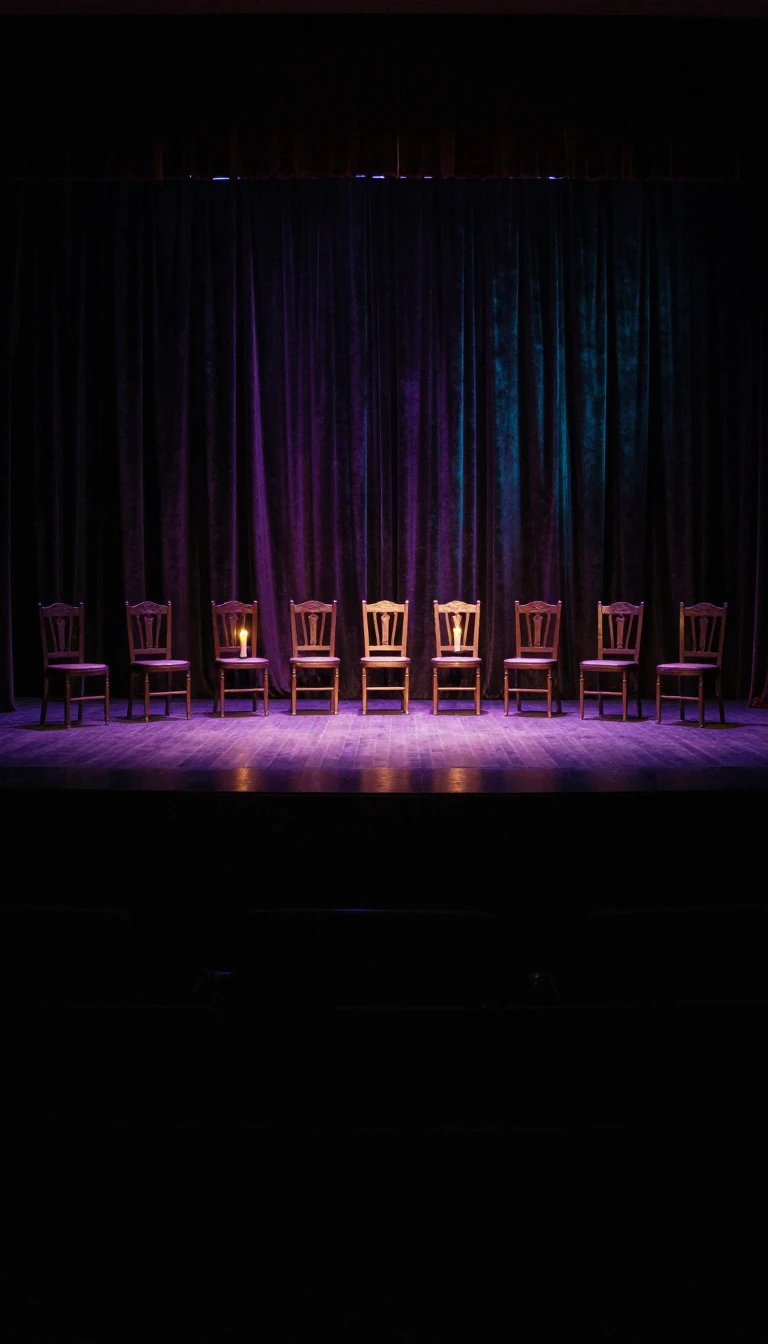
In short: Once a mandatory gesture of submission to royalty and social superiors, the curtsy has transformed from a rigid marker of class hierarchy into a stylized remnant of etiquette. From the elaborate rituals of Versailles to the athletic precision of modern ballet, this gendered movement reveals shifting power dynamics across centuries.
The curtsy, linguistically derived from the word courtesy, emerged from Renaissance-era courtly dance and etiquette manuals in Italy and France. By the Elizabethan era, it solidified as a gendered alternative to the male bow. While men performed deep bows, women adopted the curtsy, a movement often accentuated by the wide farthingale skirts of the period. By the 17th century, the gesture became a codified requirement within the strict hierarchies of European monarchies, particularly at the Palace of Versailles under Louis XIV, where the depth of a curtsy signaled one's respect for royalty and nobility.
During the 18th and 19th centuries, the curtsy became a standard component of feminine deportment. In Victorian Britain, the movement was refined using a plié technique borrowed from classical ballet, ensuring the torso lowered evenly. Beyond elite social circles, the gesture was often compulsory; enslaved African and African American women in the United States were forced to curtsy to white authority figures until 1863. In these contexts, the curtsy served as a visceral, physical manifestation of submissiveness and social status, reinforcing the power imbalance between the performer and the observer.
The decline of the curtsy in everyday life followed the erosion of traditional class structures after the French Revolution and World War I. As women entered the workforce and democratic ideals spread, the act of visibly submitting to another person lost its social relevance. By the mid-20th century, handshakes and verbal greetings largely replaced these physical displays. Today, the curtsy persists primarily in ceremonial royal protocols and specialized performance arts, such as ballet, figure skating, and square dancing. Even the extreme 'Texas dip' performed by debutantes serves as a modern, performative echo of a practice that once defined the very structure of Western social interaction.
Opens the Intellect+ feed with this card first. Swipe up for the next one.
Sources
- Summary by Intellect · source: Curtsy
To cite this card, link to https://intellectplus.co.uk/app/culture-curtsy.
How we source, check and correct cards: Editorial standards.
General information, not professional advice. Spotted an error? Flag the card or see corrections and complaints.
Intellect Plus is a visual educational discovery platform for exploring fascinating facts and ideas. Brain Food, Not Brain Rot. What is Intellect Plus?
Related
More in Communication · More in Cultures · Latest · A–Z · All topics
