The emperor who tried to unite all faiths into one
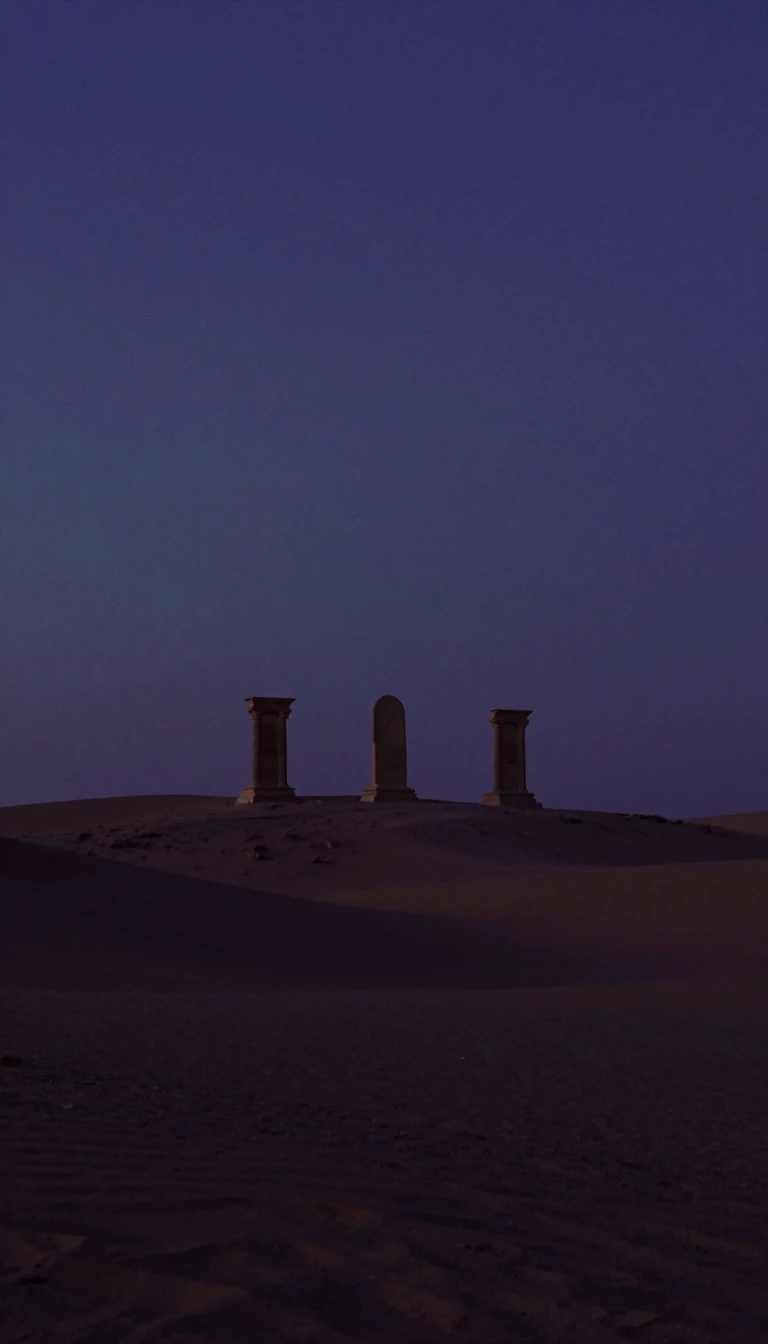
In short: In 1582, the Mughal Emperor Akbar launched a religious experiment to bridge the divide between Islam, Hinduism, and Zoroastrianism. It was an ambitious attempt at universal truth, yet it failed to gain traction, leaving behind a legacy of controversy, a tiny circle of followers, and a profound question about religious monopoly.
Known variously as Dīn-i Ilābi, Tawḥīd-i-Ilāhī, or Ilahiyya, this movement was less a structured religion and more an elite ethical system. Formulated by Akbar in the late 16th century, it lacked sacred scriptures or a priestly hierarchy. Instead, it focused on virtues like piety, prudence, and kindness, while prohibiting sins such as slander, pride, and sensuality. The faith drew from a wide spectrum of traditions: it adopted the prohibition of animal slaughter from Jainism, embraced the soul-purifying mysticism of Sufism, and even incorporated Zoroastrian elements, such as the worship of light and the recitation of the 1,000 Sanskrit names of the Sun.
Despite its grand ambitions of religious synthesis, the movement was remarkably small, never numbering more than 19 identified adherents. Many historians suggest the faith functioned more as a personality cult centered on Akbar himself. By styling himself as a reformer appearing nearly 1,000 years after the Prophet Muḥammad, Akbar sparked intense debate. Some contemporary critics accused him of heresy or even attempting to claim prophethood, noting the ambiguous use of prayers like 'Allāhu akbar'—which some interpreted as 'God is Akbar.'
The movement's decline was as swift as its rise. Following Akbar's death, his son Jahangir moved away from these policies, and his great-grandson Aurangzeb eventually abolished the faith entirely to reimpose Islamic law. While the Dīn-i Ilāhī failed to survive as a lasting institution, its origins lie in Akbar's profound intellectual curiosity. Despite being unable to read or write, Akbar amassed a library of over 24,000 volumes and used his 'House of Worship' at Fatehpur Sikri to debate theologians of all creeds, driven by a conviction that no single religion holds a monopoly on truth.
Opens the Intellect+ feed with this card first. Swipe up for the next one.
Sources
- Summary by Intellect · source: Dīn-i Ilāhī | Mughal Empire, Akbar, Monotheism | Britannica
- Also: Din-i Ilahi
To cite this card, link to https://intellectplus.co.uk/app/culture-din-i-ilahi.
How we source, check and correct cards: Editorial standards.
General information, not professional advice. Spotted an error? Flag the card or see corrections and complaints.
Intellect Plus is a visual educational discovery platform for exploring fascinating facts and ideas. Brain Food, Not Brain Rot. What is Intellect Plus?
Related
More in Traditions & customs · More in Cultures · Latest · A–Z · All topics
