Is fashion journalism just about clothes, or is it a vital cultural lens?
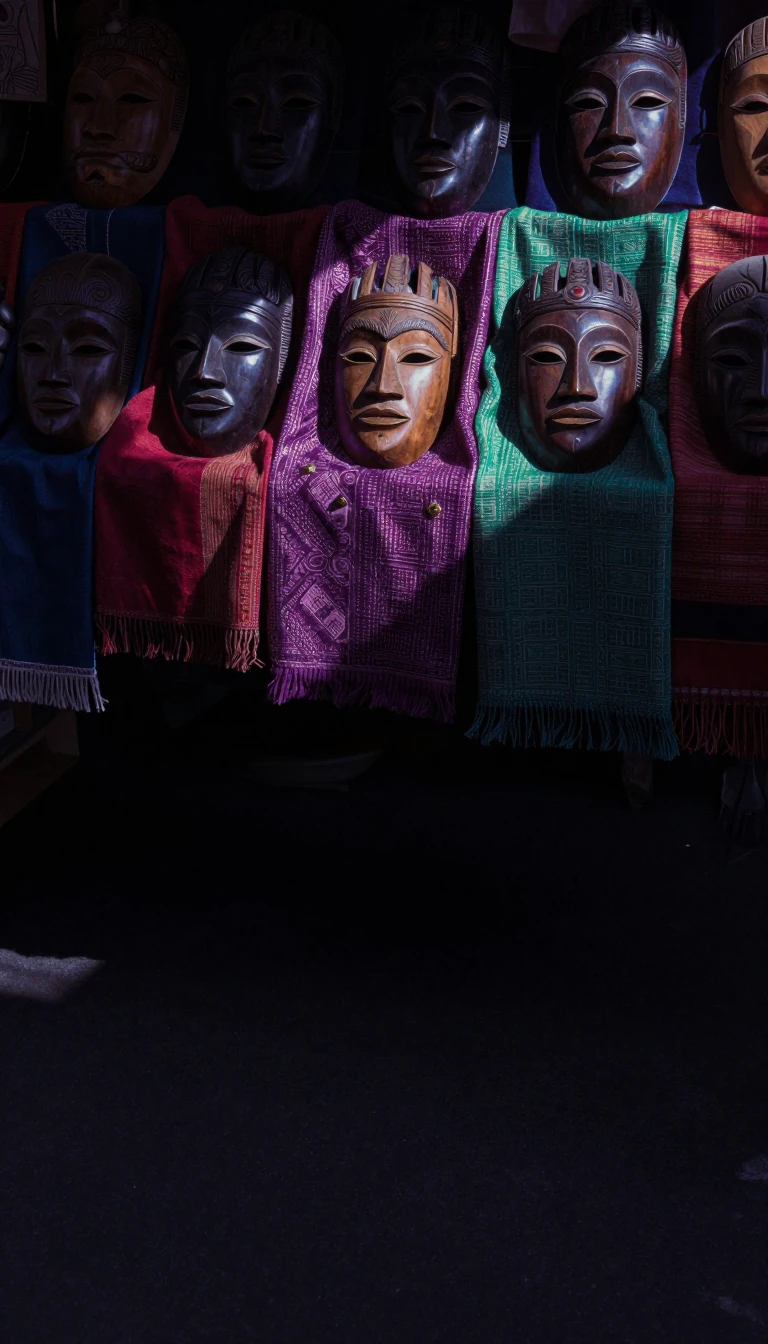
In short: Fashion journalism is a high-speed, demanding field that extends far beyond reporting on garments. It requires deep industry knowledge, investigative rigor, and the ability to predict future trends. From traditional print to digital video, these professionals shape how we perceive global culture, sustainability, and the politics of personal presentation.
At its core, fashion journalism is the practice of investigating and documenting the stories that define the industry. While it often involves covering runway shows, celebrity style, and emerging trends, the role is increasingly focused on critical analysis. Journalists must navigate complex topics like sustainability, inclusivity, and social responsibility, ensuring their work is both factual and insightful. This requires a blend of traditional reporting skills—such as conducting interviews and corroborating claims—with a keen eye for cultural context. Whether working for a legacy newspaper or a digital-first platform, the objective is to offer a fresh perspective in a saturated media landscape.
Success in this competitive field demands more than just writing ability. Professionals must cultivate extensive networks, including designers, photographers, and event planners, to secure exclusive information and understand the nuances of the industry. A strong grasp of fashion history is essential, as designers frequently reference past collections; recognizing these details allows a journalist to uncover deeper, more subtle narratives. Furthermore, the rise of digital media has transformed the profession, offering writers unlimited space and the ability to provide real-time updates, which contrasts sharply with the constraints of traditional print layouts.
The career path is as varied as the media formats available, ranging from staff roles at major magazines to freelance content creation. Salaries for in-house positions typically scale from entry-level roles at £15,000 up to £50,000 for senior journalists. Education often plays a significant role, with specialized university courses providing technical training and industry placements. Ultimately, the most influential voices in the field, such as Pulitzer Prize winner Robin Givhan or long-time critics like Suzy Menkes, demonstrate that fashion journalism is a serious intellectual pursuit. By critiquing how public figures and designers present themselves, these journalists provide a critical mirror to society, proving that fashion is never just about the clothes.
Opens the Intellect+ feed with this card first. Swipe up for the next one.
Sources
- Summary by Intellect · source: Fashion Careers: Guide to Fashion Journalism | FRA
- Also: Fashion journalism
To cite this card, link to https://intellectplus.co.uk/app/culture-fashion-journalism.
How we source, check and correct cards: Editorial standards.
General information, not professional advice. Spotted an error? Flag the card or see corrections and complaints.
Intellect Plus is a visual educational discovery platform for exploring fascinating facts and ideas. Brain Food, Not Brain Rot. What is Intellect Plus?
Related
More in Journalism and mass media · More in Cultures · Latest · A–Z · All topics
