From French bars to global stages: the high-energy history of go-go dancing
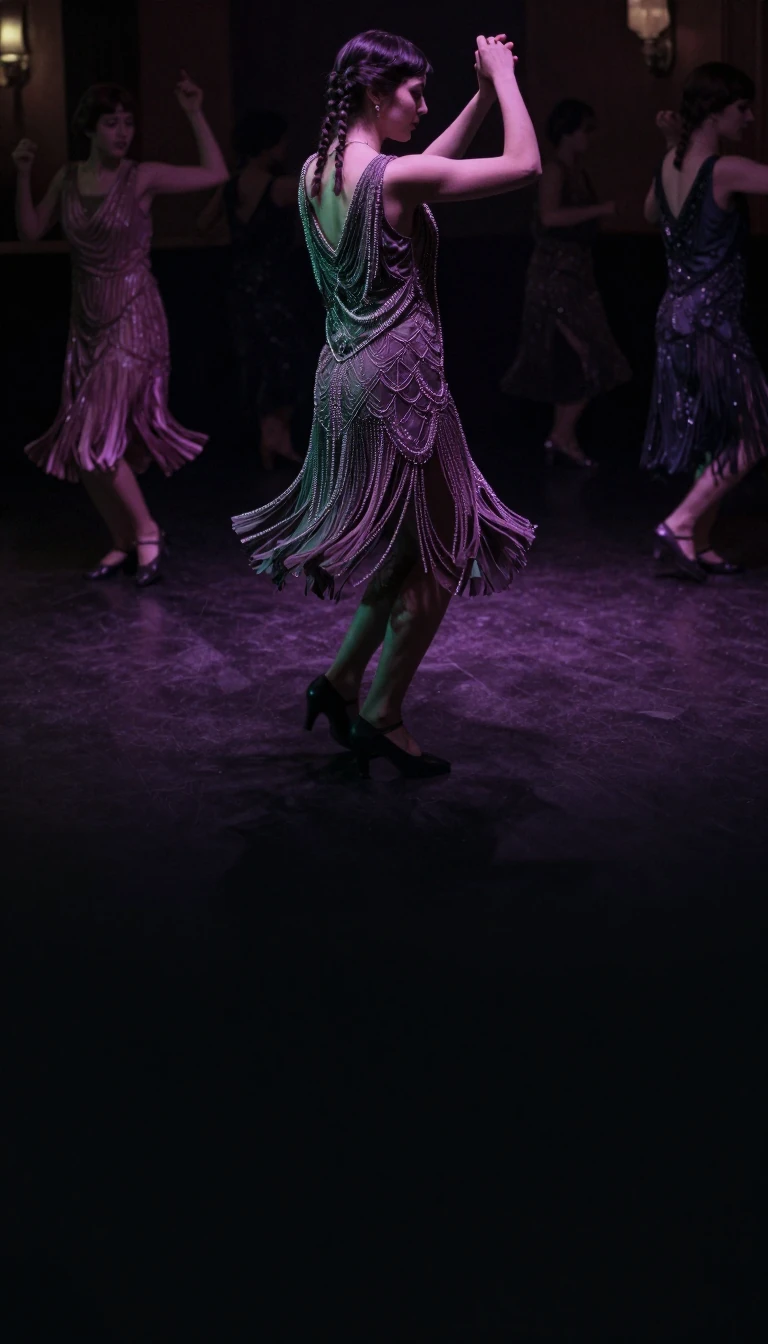
In short: Born in a 1960s French seaside bar, go-go dancing evolved from a local craze into a global nightclub staple. By the mid-1960s, thousands of dancers were performing in cages and on stages across the United States, eventually becoming a defining, if often misunderstood, element of modern nightlife and performance culture.
The term go-go originates from the French expression à gogo, meaning in abundance, which traces back to the Old French word la gogue, signifying joy or happiness. The practice itself emerged in the early 1960s at the Whisky a Gogo bar in Juan-les-Pins, France. This venue was among the first to replace live bands with records selected by a disc jockey, creating a spectacle of paid dancers. The concept quickly crossed the Atlantic, with the famous West Hollywood club of the same name opening in January 1964 and popularizing the iconic aesthetic of mini skirts and knee-high vinyl boots.
By 1967, an estimated 8,000 go-go dancers were working in the United States, typically aged between 18 and 21. While many dancers saw the role as a potential gateway into show business, others used it to fund travel as part of the 1960s counterculture. The work was physically demanding and varied, with dancers performing on tables, stages, or inside suspended cages. These cages became a signature feature, appearing on television variety shows like Hullabaloo and Shindig!, where dancers accompanied musical acts to energize the audience.
The profession shifted significantly in the 1970s as discotheques declined, pushing go-go dancing toward strip clubs. However, the practice saw a resurgence in the 1990s alongside the rise of electronic music genres like house and techno. Today, go-go dancing has evolved into a form of performance art, with dancers appearing at festivals in elaborate, colorful costumes. From the 1960s to the 21st century, the role has remained a fluid cultural marker, even appearing in unexpected contexts, such as the 2013 Russian elections where a political party nominated four go-go dancers as candidates.
Despite its ubiquity, the industry has faced legal and social scrutiny. In the 1980s, various jurisdictions attempted to regulate the profession through laws requiring specific attire, which were frequently challenged on First Amendment grounds. Whether viewed as entertainment, counterculture, or performance art, go-go dancing has persisted for over six decades, adapting its style and setting to reflect the changing social landscape of nightlife.
Opens the Intellect+ feed with this card first. Swipe up for the next one.
Sources
- Summary by Intellect · source: Go-go dancing
To cite this card, link to https://intellectplus.co.uk/app/culture-go-go-dancing.
How we source, check and correct cards: Editorial standards.
General information, not professional advice. Spotted an error? Flag the card or see corrections and complaints.
Intellect Plus is a visual educational discovery platform for exploring fascinating facts and ideas. Brain Food, Not Brain Rot. What is Intellect Plus?
Related
More in Traditions & customs · More in Cultures · Latest · A–Z · All topics
