The 4th-century script designed to replace pagan runes with the Bible
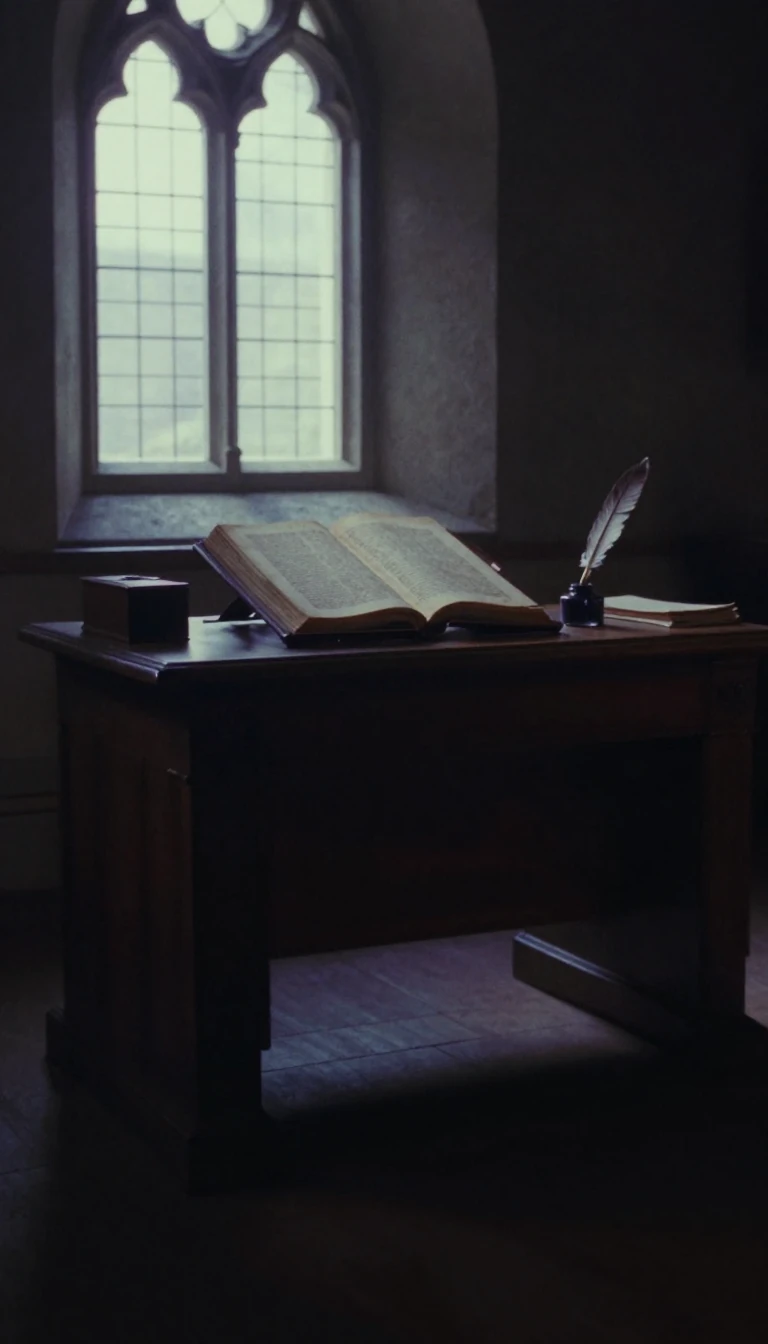
In short: In the 4th century, a Greek-descended preacher named Ulfilas faced a linguistic challenge: how to translate the Bible into a Germanic tongue. His solution was a bespoke alphabet—a sophisticated hybrid of Greek, Latin, and perhaps Runic influences, engineered to integrate a nation into the Greco-Roman world.
The Gothic alphabet was a deliberate creation of the 4th-century bishop Ulfilas (or Wulfila). As a preacher of Cappadocian Greek descent, Ulfilas sought to translate the Bible into the Gothic language, a task that required a script capable of capturing specific Gothic phonology. While the alphabet's exact origins remain a subject of scholarly debate, it is widely recognized as a hybrid system. Many of its 27 letters closely mirror the Greek alphabet, and some scholars, such as Cercignani, suggest Ulfilas may have used a 24-letter Runic fuþark as a foundation, mapping its characters to the 27-letter Greek set by using Greek numerical values and positions.
The influence of Runic script is highly contested. Some researchers, like Snædal, argue that the alphabet was primarily adapted from Greek uncial or cursive scripts, with only minor, uncertain Runic influence. Conversely, others like Miller suggest that a Runic contribution is plausible, noting that several authors support this view. Interestingly, Ulfilas may have consciously avoided using the older Runic alphabet to distance the new script from its associations with pagan customs, instead using a Greek-based system to align the Gothic people with the dominant Greco-Roman culture near the Black Sea.
Today, the Gothic language is extinct, and our primary window into this script is found in fragments like the Codex Argenteus—a stunning manuscript written in gold and silver on purple-red parchment. The alphabet's legacy survives through its unique characters, such as the thorn ⟨þ⟩ and hwair ⟨<0xC6><0x95>⟩, and its complex numerical system, where letters were assigned specific values. While the original names of the letters are uncertain, a 9th-century manuscript by Alcuin preserves Gothic forms that follow the principle of acrophony, where each letter's name begins with the sound it represents.
Opens the Intellect+ feed with this card first. Swipe up for the next one.
Sources
- Summary by Intellect · source: Gothic alphabet
- Also: Gothic alphabet | Blackletter, Fraktur, Old English | Britannica
To cite this card, link to https://intellectplus.co.uk/app/culture-gothic-alphabet.
How we source, check and correct cards: Editorial standards.
General information, not professional advice. Spotted an error? Flag the card or see corrections and complaints.
Intellect Plus is a visual educational discovery platform for exploring fascinating facts and ideas. Brain Food, Not Brain Rot. What is Intellect Plus?
Related
More in Languages · More in Cultures · Latest · A–Z · All topics
