Why the Great Smoky Mountains are perpetually shrouded in a mysterious, living blue mist
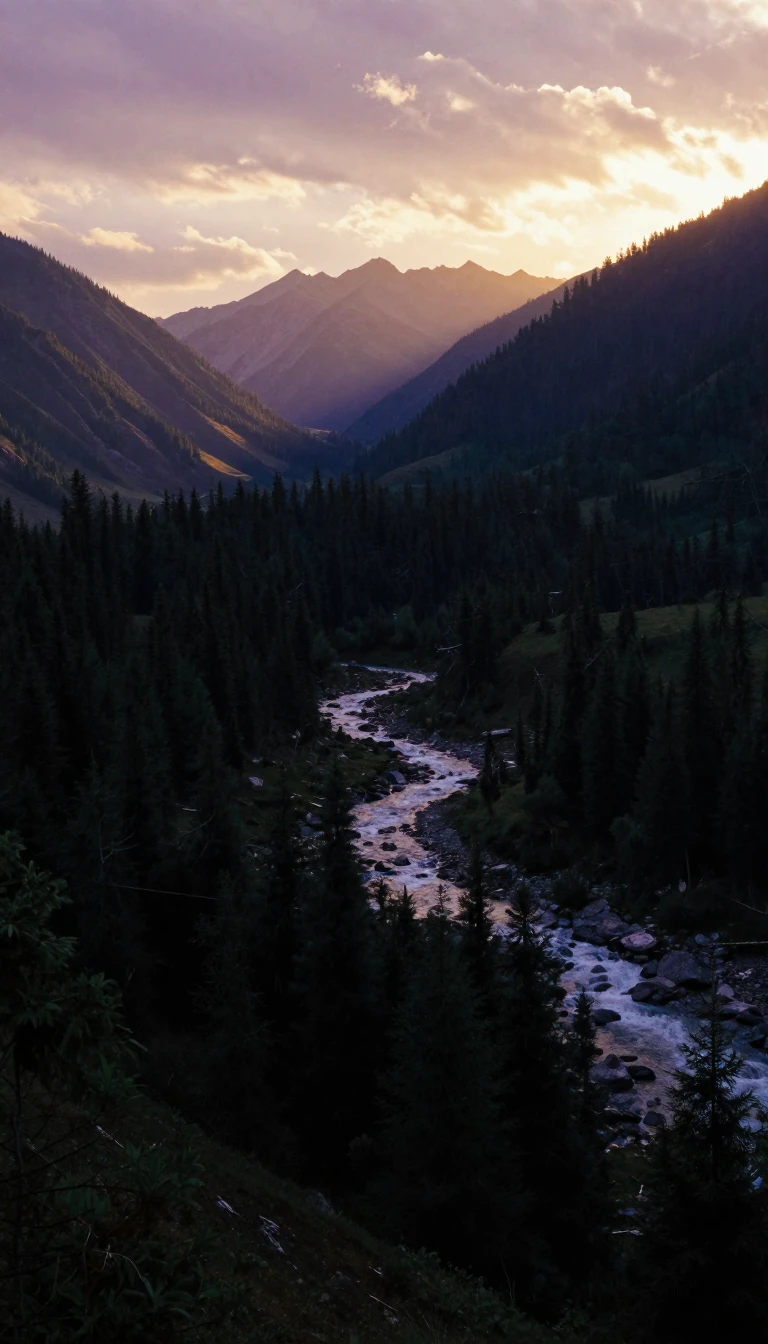
In short: The Smokies are famous for the ethereal fog that clings to their ridges, but this haze is not merely water vapor. It is a chemical byproduct of the forest itself, as trees release volatile organic compounds into the air, creating a natural, smoky veil over one of America's most biodiverse landscapes.
Straddling the border between Tennessee and North Carolina, the Great Smoky Mountains are a subrange of the Appalachians and home to the most visited national park in the United States. Established in 1934, the park protects a vast, rugged terrain that serves as a sanctuary for over 22,000 documented life forms. The range is defined by its dramatic elevation shifts, which create distinct ecological zones ranging from lush, diverse cove hardwood forests in the valleys to the hardy, boreal spruce-fir forests that crown the highest peaks.
The region’s unique climate is a relic of the last ice age. Approximately 20,000 years ago, advancing glaciers pushed subarctic conditions southward, forcing spruce-fir forests to migrate into lower elevations. As the planet warmed between 16,500 and 12,500 years ago, these cold-weather ecosystems retreated to the summits above 5,500 feet. Today, these high-altitude islands remain home to specialized species, including red spruce and the Fraser fir, though the latter has been decimated by the balsam wooly adelgid since the 1960s.
Beyond its flora, the range hosts a remarkable density of wildlife, including the highest concentration of black bears in the eastern United States. The park also serves as a living laboratory for forest canopy ecology, where researchers like Meg D. Lowman study how organisms adapt to the intense competition for light in the valleys versus the harsh, winter-prone conditions of the mountain tops. Whether you are searching for the synchronous fireflies of Elkmont or the historic structures preserved from early Appalachian communities, the Smokies offer a rare glimpse into a complex, ancient ecosystem that continues to evolve.
The mountains are also a site of significant geological history, with rocks dating back over a billion years. The Ocoee Supergroup, a formation of slightly metamorphosed sandstones and schists, dominates the landscape, having been re-exposed by the erosion of softer sedimentary layers during the Mesozoic era. This deep time, combined with the region's high annual precipitation—ranging from 50 to 80 inches—ensures that the Smokies remain a vibrant, if sometimes volatile, wilderness.
Opens the Intellect+ feed with this card first. Swipe up for the next one.
Sources
- Summary by Intellect · source: Great Smoky Mountains
- Also: Everything you need to know about Great Smoky Mountains National Park
To cite this card, link to https://intellectplus.co.uk/app/culture-great-smoky-mountains.
How we source, check and correct cards: Editorial standards.
General information, not professional advice. Spotted an error? Flag the card or see corrections and complaints.
Intellect Plus is a visual educational discovery platform for exploring fascinating facts and ideas. Brain Food, Not Brain Rot. What is Intellect Plus?
Related
More in US culture · More in Cultures · Latest · A–Z · All topics
