From Crowns to Helmets: Why Humanity Has Always Covered Its Head
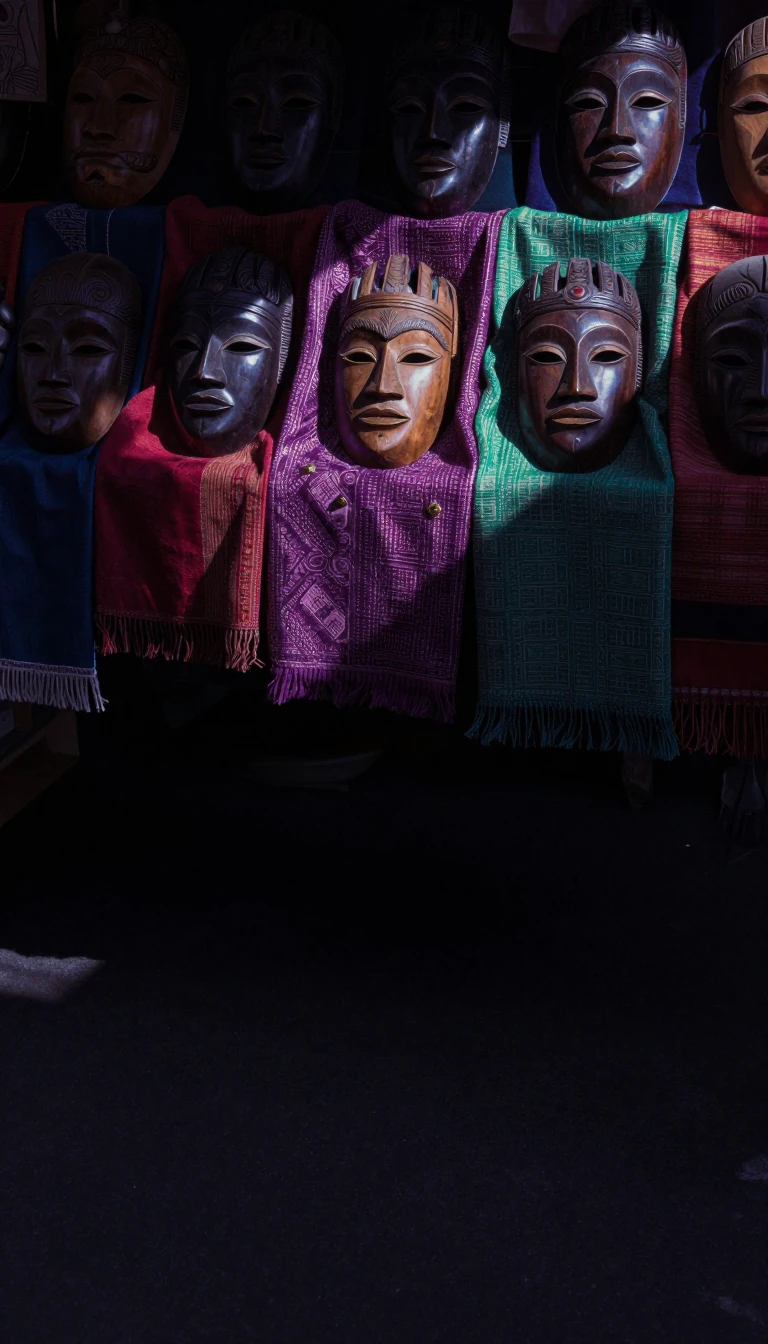
In short: Headgear is far more than a simple accessory. Whether shielding us from the elements, signaling religious devotion, or marking royal status, what we wear on our heads serves as a profound language of identity. From ancient crowns to modern safety helmets, these coverings reveal the complex social codes of human history.
Headgear serves a staggering variety of functions, ranging from basic survival to complex social signaling. At its most utilitarian, headwear protects the wearer from environmental hazards like sun, rain, and cold, or physical trauma through rigid helmets. Yet, the history of headgear is equally defined by its symbolic weight. In many cultures, the act of covering or uncovering the head is a deliberate performance of respect. In Western traditions derived from Christian practice, men have historically removed their hats to signal deference to social superiors or during religious worship. Conversely, in Jewish tradition, wearing a kippah or yarmulke acts as a sign of humility, acknowledging the vast distance between humanity and the divine.
The social and religious significance of headgear often dictates specific, rigid customs. For instance, male Sikhs are required to wear turbans, a practice that transcends mere fashion. In Islam, the hijab is worn by women as an expression of modesty, while men may wear a taqiyah during prayer. These items are not just garments; they are markers of community and belief. Similarly, in the professional sphere, headgear can denote authority or institutional role. The wigs worn by judges and barristers in Commonwealth nations, or the mitre and zucchetto of Roman Catholic clergy, serve as visual shorthand for the wearer’s office and standing within their respective hierarchies.
Beyond religion and law, headgear has evolved into a medium for artistic and status-driven expression. Items like crowns, coronets, and tiaras have transitioned from functional bands into jewelry that signifies noble or royal status. In indigenous cultures, such as those of the Plains Indians, feathered war bonnets are earned symbols of respect and ceremony. Even in the world of high fashion, headgear can reach extreme levels of artistry; some showpiece creations are designed as works of art rather than practical items, occasionally reaching values of thousands or millions of dollars. Whether it is the dhari of the Torres Strait Islands or the simple baseball cap, headgear remains a potent, ever-evolving mirror of human culture.
Opens the Intellect+ feed with this card first. Swipe up for the next one.
Sources
- Summary by Intellect · source: Headgear
To cite this card, link to https://intellectplus.co.uk/app/culture-headgear.
How we source, check and correct cards: Editorial standards.
General information, not professional advice. Spotted an error? Flag the card or see corrections and complaints.
Intellect Plus is a visual educational discovery platform for exploring fascinating facts and ideas. Brain Food, Not Brain Rot. What is Intellect Plus?
Related
More in Clothing and fashion · More in Cultures · Latest · A–Z · All topics
