The powerful tidal bore that once claimed a hundred thousand lives
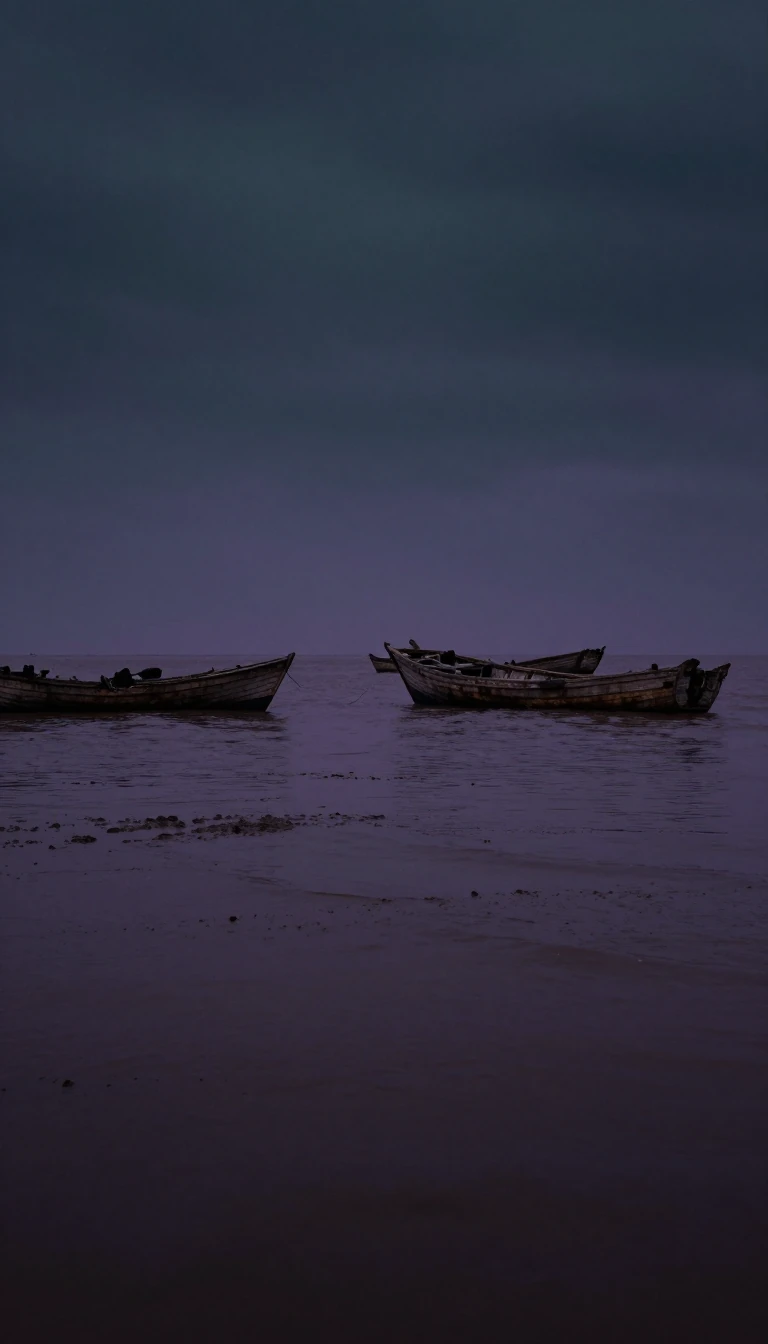
In short: The Hooghly River is more than a sacred waterway; it is a hydraulic force of nature. Known for a massive tidal bore that can exceed seven feet in height, this river carries a history of devastating floods, colonial trade, and a landscape shaped by both myth and man-made engineering.
The Hooghly, a westernmost distributary of the Ganges in West Bengal, is defined by its dramatic tidal fluctuations. The river experiences a tidal bore—a sudden, advancing wave caused by the tide being compressed into the narrowing estuary. This phenomenon can reach heights of over 2.1 meters (7 feet) and is felt as far upstream as Naihati, 35 km from Kolkata. The scale of these tides is immense: the difference between the dry season low-water and the rainy season high-water can reach 6.35 meters (20 feet 10 inches). The power of the river is not merely a physical threat, however; in 1876, a tidal bore that breached the banks was reported to have killed up to 100,000 people.
The river's current path is a blend of ancient mythology and modern intervention. In Hindu tradition, the upper reaches are called the Bhagirathi, named for Prince Bhagiratha, who brought the Ganges from heaven to earth. While the river's origins are natural, much of its modern volume is artificial. The Farakka Barrage, a dam near Tildanga, diverts water from the Ganges into the man-scale Farakka Feeder Canal. This system, which began diverting water in 1974 to reduce silting at Kolkata's port, provides the vast majority of the river's flow.
Historically, the Hooghly served as a gateway for global commerce. During the era of the East India Company, the river facilitated the establishment of trade settlements like Calcutta, attracting the French, Dutch, and Portuguese. Even the river's geography has been altered by human hands; in the mid-18th century, a channel was dug under the direction of Alibardi Khan with help from Dutch traders. Today, the river remains a vital industrial and transport artery, supporting the massive jute industry and the modern container port at Haldia.
Opens the Intellect+ feed with this card first. Swipe up for the next one.
Sources
- Summary by Intellect · source: Hooghly River
To cite this card, link to https://intellectplus.co.uk/app/culture-hooghly-river.
How we source, check and correct cards: Editorial standards.
General information, not professional advice. Spotted an error? Flag the card or see corrections and complaints.
Intellect Plus is a visual educational discovery platform for exploring fascinating facts and ideas. Brain Food, Not Brain Rot. What is Intellect Plus?
Related
More in Festivals & celebrations · More in Cultures · Latest · A–Z · All topics
