From ancient Egyptian tombs to modern fashion: the enduring evolution of legwear
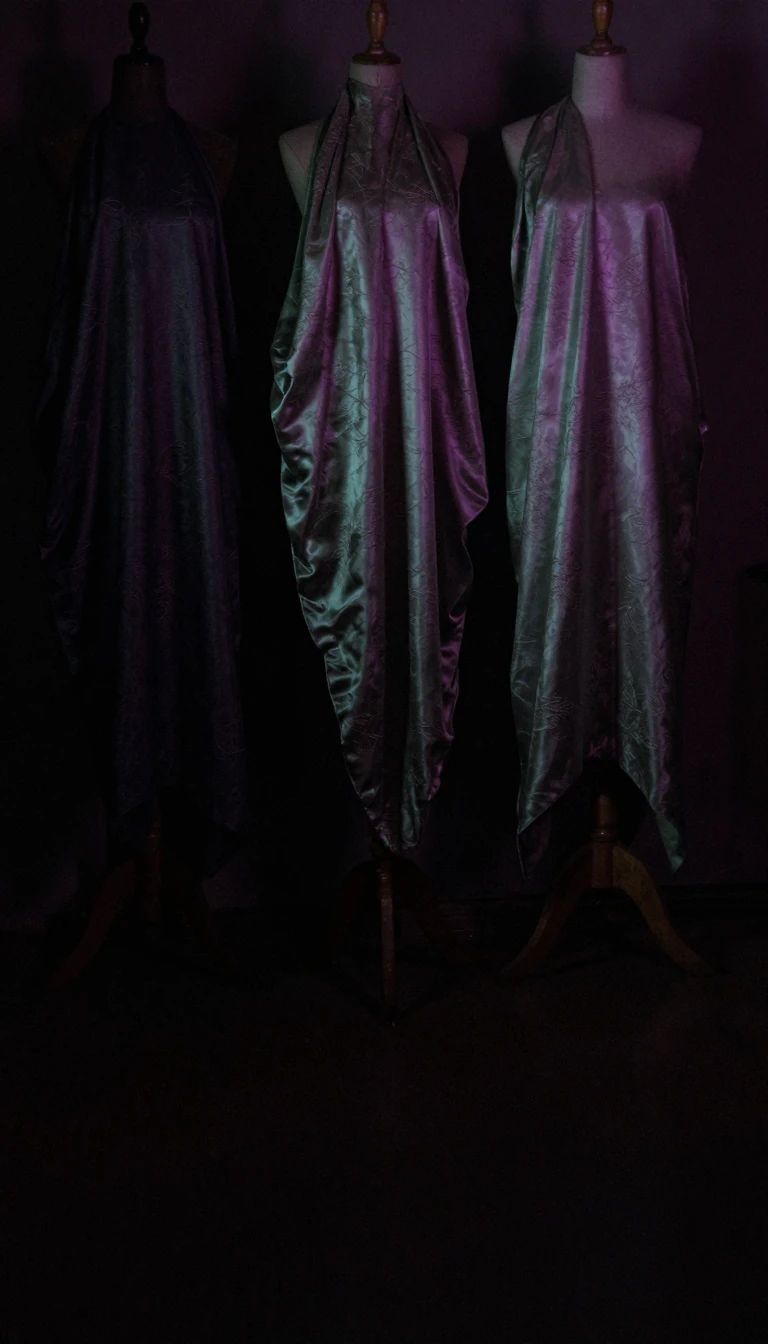
In short: Long before the invention of modern knitting machines, humans were finding ways to cover their legs. From leather strips in ancient Rome to the sheer denier of today's tights, the history of hosiery reveals a fundamental human drive for both protection and style.
The concept of hosiery—garments worn directly on the feet and legs—has a lineage stretching back to antiquity. Early references to leg coverings appear in the works of Hesiod, describing how Romans utilized strips of cloth or leather to cover the lower body. Even further back, evidence from Egyptian tombs suggests that the ancestors of the modern sock were already in use, marking a very early human preoccupation with limb coverage.
The linguistic roots of the term are equally ancient. 'Hosiery' is a morphological descendant of the Anglo-Saxon word 'hosa', which referred to woven garments designed for the lower body and legs. Historically, the term served as a collective name for products made by a 'hosier,' and the items themselves were generically known as 'hose.' This tradition of specialized production continues today through the use of hosiery yarn, which undergoes a dedicated spinning process before being utilized in circular knitting machines.
In the modern era, the distinction between different types of legwear is often measured by denier, a metric used to define the thickness and opacity of the fabric. This measurement determines how much light can pass through the material. For instance, a low denier of between 5 and 15 creates a sheer appearance, whereas a higher denier of 40 or more results in a dense fabric. At the extreme end, 100 denier items are so thick that they allow little to no light to penetrate the knit.
While modern hosiery relies on stretchy meshes and fabrics to achieve a tight fit, older methods often required binding to maintain the same close-fitting silhouette. Today, the category encompasses a vast range of styles, from socks and knee-highs to thigh-high stockings—known as hold-ups or stay-ups in British English—and even full-coverage garments like tights or pantyhose.
Opens the Intellect+ feed with this card first. Swipe up for the next one.
Sources
- Summary by Intellect · source: Hosiery
To cite this card, link to https://intellectplus.co.uk/app/culture-hosiery.
How we source, check and correct cards: Editorial standards.
General information, not professional advice. Spotted an error? Flag the card or see corrections and complaints.
Intellect Plus is a visual educational discovery platform for exploring fascinating facts and ideas. Brain Food, Not Brain Rot. What is Intellect Plus?
Related
More in Clothing and fashion · More in Cultures · Latest · A–Z · All topics
