What really happened inside the control room during the 1986 Chernobyl nuclear disaster?
In short: On April 26, 1986, the Chernobyl Nuclear Power Plant suffered a catastrophic level 7 accident. While history often focuses on the reactor design, the human element was equally dramatic. Operators and engineers faced impossible choices, lethal radiation, and a collapsing building, all while attempting to contain an unfolding nightmare.
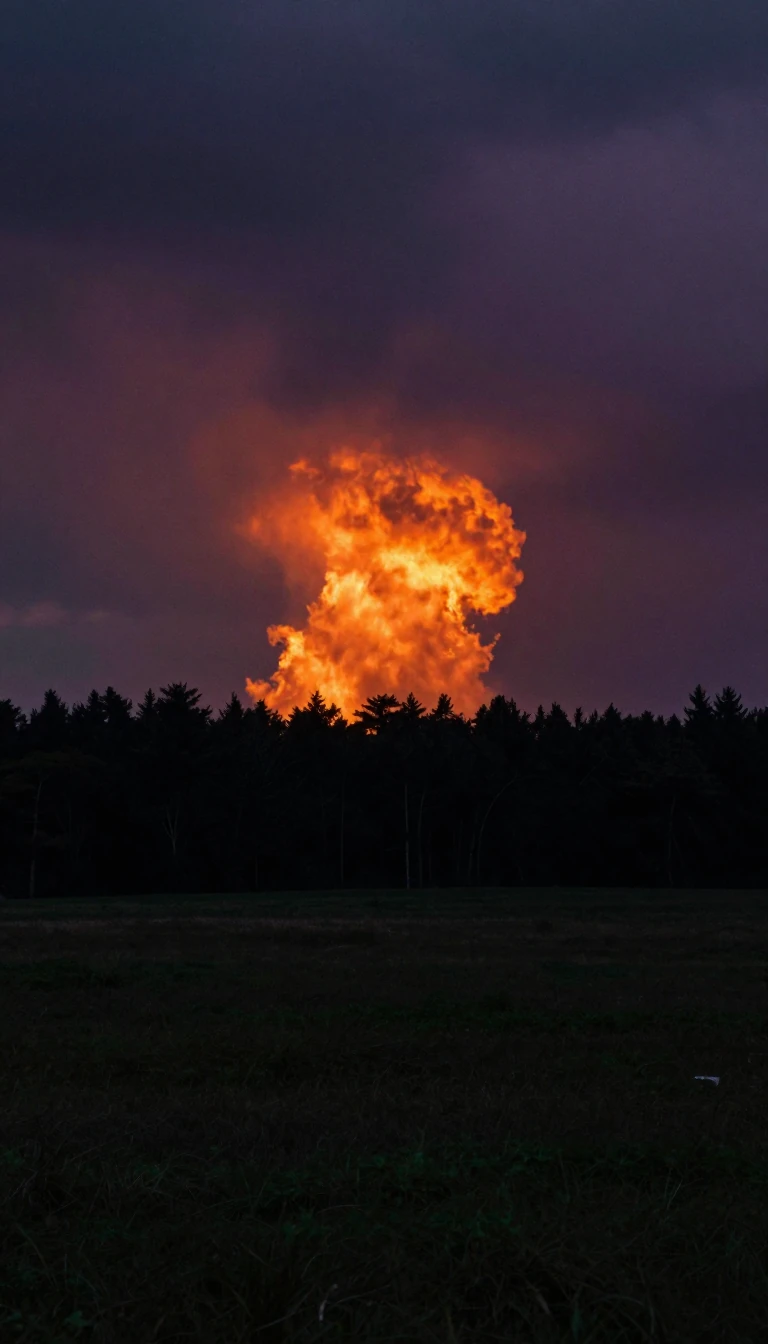
The disaster began during a safety test at 01:23 Moscow Summer Time. As power levels fluctuated, the reactor underwent a power excursion, leading to explosions that destroyed Reactor Number 4. In the immediate aftermath, personnel like shift chief Alexander Akimov and deputy chief engineer Anatoly Dyatlov struggled to comprehend the scale of the damage. While some workers attempted to manually lower control rods or restore cooling systems, they were often navigating debris-filled corridors and lethal radiation fields.
The human cost was immediate and severe. Valery Khodemchuk, a pump operator, was likely killed instantly in the explosion, becoming the first victim. Vladimir Shashenok, an automatic systems adjuster, suffered fatal thermal and radiation burns after an overpressure spike destroyed his instrument room. Many others, including Alexander Yuvchenko and Valery Perevozchenko, sustained life-altering radiation doses while desperately searching for missing colleagues or attempting to stabilize the ruined reactor. By the time emergency responders arrived, the environment was already saturated with extreme radiation levels.
The aftermath saw a frantic effort to manage the site. Akimov, despite suffering from acute radiation sickness, continued to issue orders and attempt manual valve operations until he was eventually evacuated. He died on May 10, 1986, maintaining his innocence regarding the accident's cause. Others, like Yuvchenko, survived the initial event but faced years of medical treatment for severe radiation burns and leukemia, eventually passing away in 2008. These individual accounts reveal a chaotic, high-stakes environment where operators were forced to make split-second decisions in the face of an unprecedented industrial catastrophe.
Opens the Intellect+ feed with this card first. Swipe up for the next one.
Sources
- Summary by Intellect · source: Individual involvement in the Chernobyl disaster
To cite this card, link to https://intellectplus.co.uk/app/culture-individual-involvement-in-the-chernobyl-disaster.
How we source, check and correct cards: Editorial standards.
General information, not professional advice. Spotted an error? Flag the card or see corrections and complaints.
Intellect Plus is a visual educational discovery platform for exploring fascinating facts and ideas. Brain Food, Not Brain Rot. What is Intellect Plus?
Related
More in Festivals & celebrations · More in Cultures · Latest · A–Z · All topics
