Is International English a neutral global tool or a form of cultural imperialism?
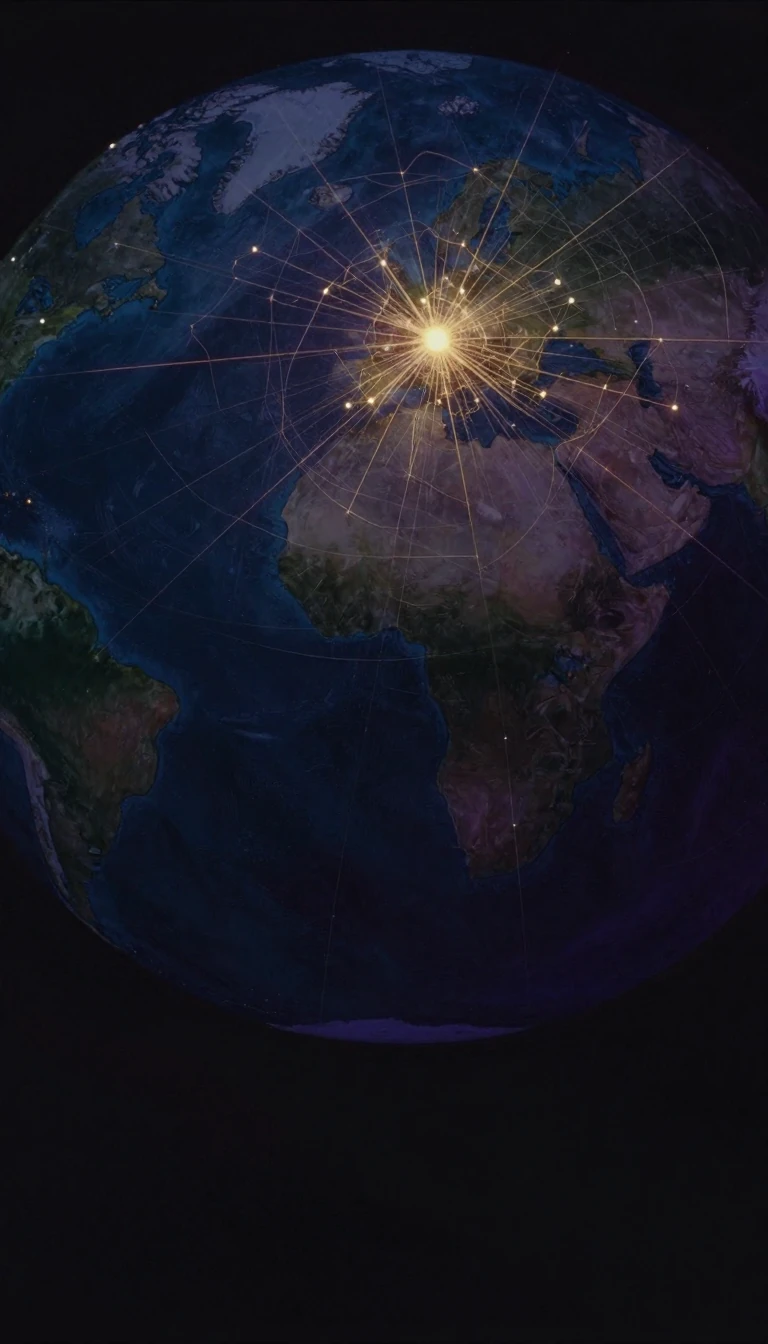
In short: English is no longer just the language of Britain or America. As non-native speakers now outnumber native ones three-to-one, the push for a standardized, neutral International English grows. Yet, critics argue this pursuit is either an impossible dream or a subtle mechanism for imposing Western cultural values worldwide.
The concept of International English aims to create a global lingua franca, stripping away the specific regional colorings of British, American, or Australian dialects. Proponents suggest this neutrality is practical, allowing for consistent communication in science, business, and diplomacy without the baggage of national connotations. Models like Basic Global English, developed by Joachim Grzega, attempt to formalize this by using a limited 750-word vocabulary and flexible grammar rules, aiming to foster empathy and tolerance among diverse speakers.
However, the path toward a standardized global language is fraught with debate. Critics like Robert Phillipson argue that true linguistic neutrality is a myth, suggesting that even 'standard' English remains tethered to Western cultural dominance. Some scholars, such as Alastair Pennycook, view the language's global expansion as a form of cultural imperialism. Others, like Edward Trimnell, contend that simplified versions of English are insufficient for complex technical or philosophical discourse, potentially leaving native speakers overly dependent on the limited language skills of others.
Rather than adopting a top-down standard, many regions are actively appropriating English to fit their own cultural landscapes. In countries like Pakistan, Vietnam, and Cameroon, English language teaching is being reshaped to reflect local values, traditions, and political identities. This suggests that the future of English may not be a single, uniform global standard, but rather a collection of localized versions of the language, used as tools to navigate both local needs and the global stage.
Opens the Intellect+ feed with this card first. Swipe up for the next one.
Sources
- Summary by Intellect · source: International English
To cite this card, link to https://intellectplus.co.uk/app/culture-international-english.
How we source, check and correct cards: Editorial standards.
General information, not professional advice. Spotted an error? Flag the card or see corrections and complaints.
Intellect Plus is a visual educational discovery platform for exploring fascinating facts and ideas. Brain Food, Not Brain Rot. What is Intellect Plus?
Related
More in Language · More in Cultures · Latest · A–Z · All topics
