The Father of the American Navy was a Scottish sailor who fled for his life.
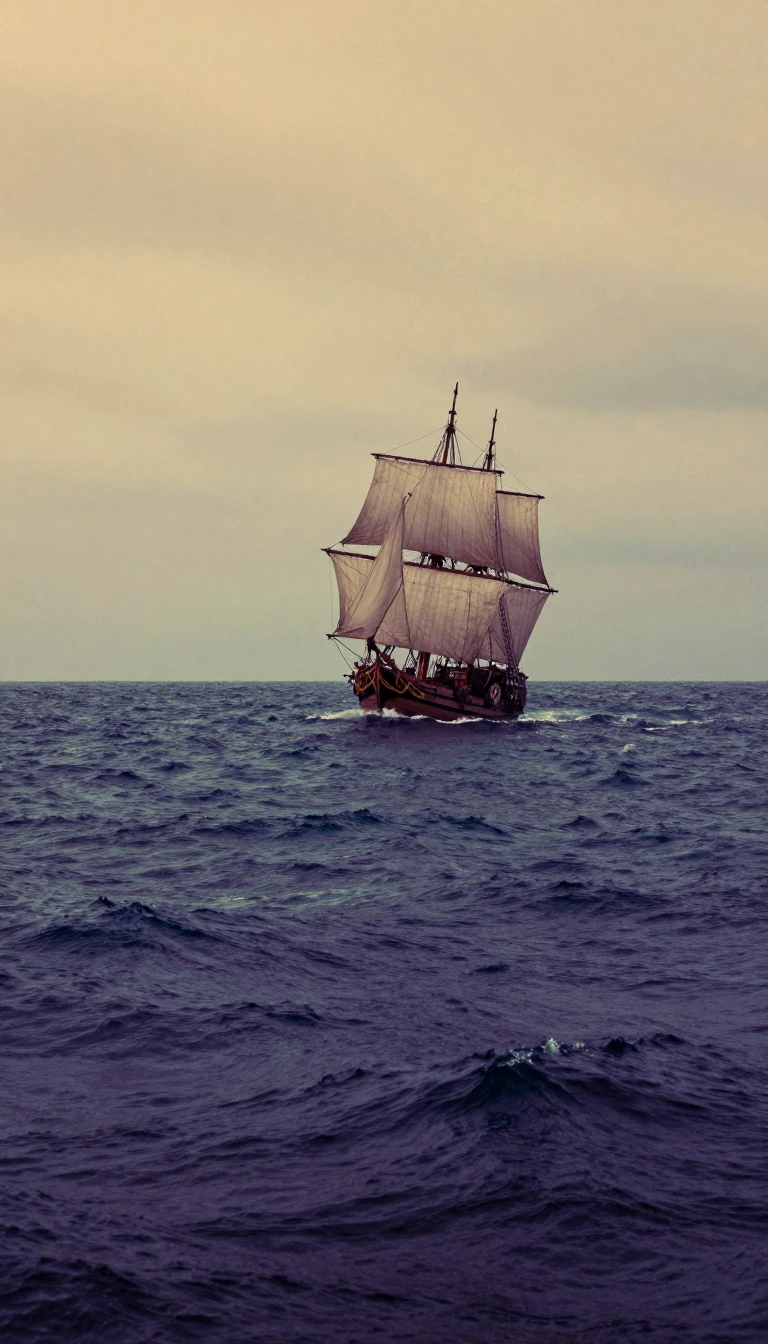
In short: John Paul Jones is celebrated as a legendary American naval commander, yet his path to glory was paved with mutiny, accusations of murder, and a desperate flight from Scotland. Before becoming a revolutionary hero, he navigated the brutal reality of the slave trade and the volatile politics of the eighteenth-century high seas.
Born John Paul in 1747 on the Arbigland estate in Scotland, the future admiral began his maritime career at thirteen. His early years were marked by service on merchant ships, including stints as an officer on slave vessels like the King George and Two Friends. He eventually abandoned what he termed an 'abominable trade' in 1768. His career took a sudden turn when he assumed command of the brig John after the captain and ranking mate died of yellow fever, earning him a share of the cargo and a reputation for competence. However, his discipline was often questioned; in 1770, he was arrested for the death of a crew member following a flogging, an incident that forced him to leave Scotland to avoid further legal trouble.
After fleeing to Virginia, he adopted the surname Jones and volunteered for the newly formed Continental Navy in 1775. His service during the American Revolutionary War was defined by audacious raids on British shipping and significant engagements like the Battle of Flamborough Head in 1779. Despite his military successes, Jones was frequently embroiled in conflicts with his own subordinates and superiors, including Commodore Esek Hopkins and Lieutenant Thomas Simpson. His command style, often perceived as prideful or overly aggressive, generated significant controversy, leading some contemporaries to view him as a glory-seeker rather than a strategic leader.
In 1787, Jones transitioned to the Imperial Russian Navy as a rear admiral under Empress Catherine II. He played a pivotal role in the naval campaign in the Dnieper-Bug Liman against the Turks, where he utilized a sophisticated V-shaped defensive formation to defeat a numerically superior fleet. Despite this tactical victory, his time in Russia ended abruptly following allegations of raping a young girl. Jones died in 1792, leaving behind a complex legacy that oscillates between the image of a patriotic naval pioneer and that of a man constantly running from the consequences of his own turbulent life.
Opens the Intellect+ feed with this card first. Swipe up for the next one.
Sources
- Summary by Intellect · source: John Paul Jones
To cite this card, link to https://intellectplus.co.uk/app/culture-john-paul-jones.
How we source, check and correct cards: Editorial standards.
General information, not professional advice. Spotted an error? Flag the card or see corrections and complaints.
Intellect Plus is a visual educational discovery platform for exploring fascinating facts and ideas. Brain Food, Not Brain Rot. What is Intellect Plus?
Related
More in US culture · More in Cultures · Latest · A–Z · All topics
