Jutland is a peninsula defined by shifting borders, ancient names, and complex geography
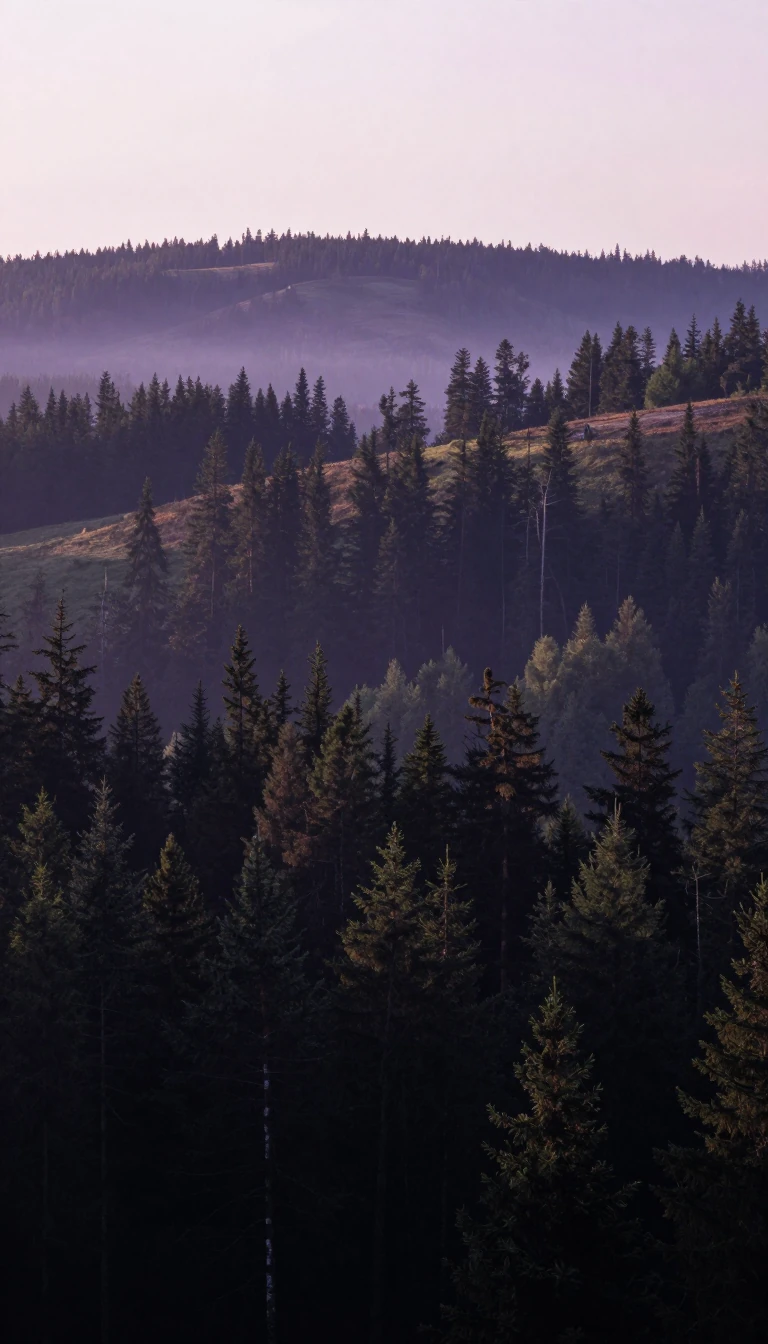
In short: Spanning from northern Germany to the tip of Denmark, Jutland is more than just a map coordinate. It is a region where historical linguistic divides, Viking-era fortifications, and modern administrative boundaries collide. From the bustling streets of Hamburg to the quiet peat bogs of the west, discover this peninsula's layered identity.
The Jutland peninsula is a vast landmass stretching from the Grenen sandbar in the north to the Elbe River in the south. While its physical geography is defined by a central ridge and a transition from fertile eastern forests to western heaths, its human geography is far more fluid. Historically, the Eider River served as the primary cultural and linguistic frontier separating Nordic traditions from German influence between the 9th and 18th centuries.
Naming conventions reveal the region's deep history. Ancient sources referred to it as the Cimbric Peninsula, named for the Cimbri people, while later designations like Jylland reflect the influence of the Jutes. Today, the peninsula is split between Denmark and Germany. In Denmark, the term Jutland often encompasses the entire region up to the German border, whereas in Germany, the name is typically reserved for the cultural area north of the Eider, with the broader landmass referred to as the Cimbric Peninsula.
The peninsula's internal divisions are equally intricate. Northern Jutland is subdivided into regions like East, West, and Central Jutland, with the latter being a recent designation used to distinguish local identities. Meanwhile, the southern portion includes Schleswig-Holstein, where remnants of the past persist in unique ways. For instance, the district of Herzogtum Lauenburg retains its ducal title, a vestige of its 1876 integration into Prussia. Even the islands off the coast, such as Als, maintain distinct local identities, with inhabitants often identifying as South Jutlanders rather than Jutlanders at large.
Modern infrastructure, such as the Kiel Canal and the Great Belt Bridge, has physically reshaped the peninsula, yet the historical legacy of structures like the Danevirke—a system of Viking-age fortifications—continues to define the landscape. Whether through the dense urban sprawl of Hamburg or the rural, lake-filled regions of Holstein, Jutland remains a complex mosaic of administrative, linguistic, and cultural territories that defy simple classification.
Opens the Intellect+ feed with this card first. Swipe up for the next one.
Sources
- Summary by Intellect · source: Jutland
To cite this card, link to https://intellectplus.co.uk/app/culture-jutland.
How we source, check and correct cards: Editorial standards.
General information, not professional advice. Spotted an error? Flag the card or see corrections and complaints.
Intellect Plus is a visual educational discovery platform for exploring fascinating facts and ideas. Brain Food, Not Brain Rot. What is Intellect Plus?
Related
More in Languages · More in Cultures · Latest · A–Z · All topics
