How a dance floor accident in Harlem became a global cultural phenomenon
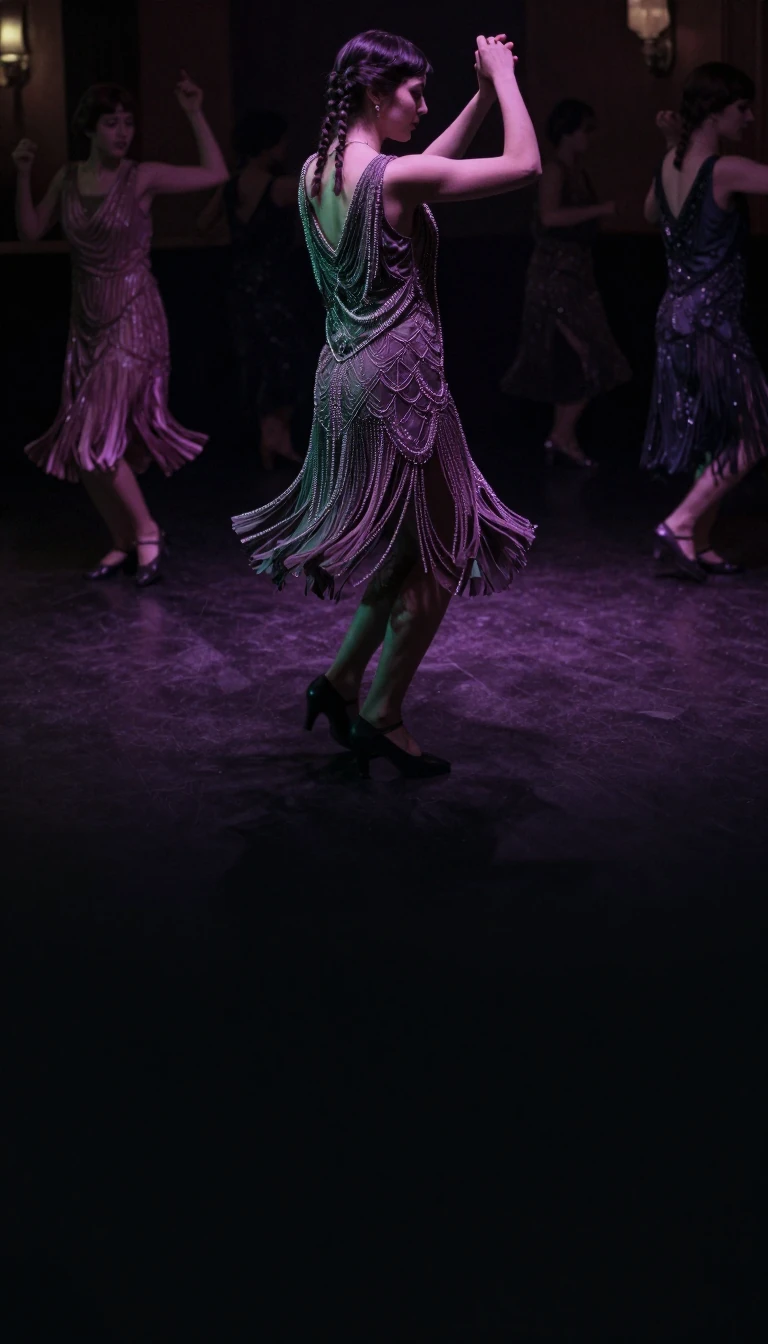
In short: The Lindy Hop wasn't just a dance; it was a revolutionary fusion of African-American improvisation and European structure. Born in the vibrant streets of Harlem, it transformed from a local social movement into a global symbol of freedom, surviving decades of cultural shifts to remain a staple of modern dance.
The Lindy Hop emerged in 1928 within African-American communities in Harlem, New York. While many associate it with the aviator Charles Lindbergh—who inspired several 'Lindbergh Hop' variations in 1927—the specific Harlem Lindy Hop was born from a different spark. During a marathon at the Manhattan Casino on June 17, 1928, dancers George Snowden and Mattie Purnell accidentally separated during a routine. Snowden's 'rediscovery' of the breakaway pattern during this moment of separation became the foundation for a dance that would soon move from marathon floors to Broadway stages by 1930.
Technically, the dance is a sophisticated hybrid. It blends the improvisational spirit of jazz, tap, and the Charleston with the structured eight-count framework of European partner dances. Its defining move, the swingout, allows for an open position where partners connect hand-to-hand. By the mid-1930s, the dance evolved into a high-energy, circular style. This era saw the rise of 'air steps'—acrobatic moves where dancers leave the ground in sync with the music—though these were often reserved for performance rather than the social dancing that defined the street culture of the era.
The dance's journey was marked by complex cultural dynamics. During the Harlem Renaissance, some intellectuals dismissed it as 'low culture,' even as white tourists flocked to the Savoy Ballroom to watch black dancers perform acrobatic routines for tips. Despite segregation and later federal taxes on nightclubs during World War II, the Lindy Hop persisted. It became a tool for military recruitment and a symbol of unity, eventually spreading globally to Europe, Asia, and Oceania by the 1980s, where it remains a vibrant social and competitive art form.
Today, historians emphasize that 'Savoy-style' is a broad term that can overlook the diverse regional variations of the 1930s. While Frankie Manning is a central figure in its history, the dance was shaped by many, from the 'floor steps' of the early 1920s to the 'aerials' of the 1940s. It remains a testament to how a single moment of improvisation can create a lasting legacy of musicality and movement.
Opens the Intellect+ feed with this card first. Swipe up for the next one.
Sources
- Summary by Intellect · source: Lindy Hop
To cite this card, link to https://intellectplus.co.uk/app/culture-lindy-hop.
How we source, check and correct cards: Editorial standards.
General information, not professional advice. Spotted an error? Flag the card or see corrections and complaints.
Intellect Plus is a visual educational discovery platform for exploring fascinating facts and ideas. Brain Food, Not Brain Rot. What is Intellect Plus?
Related
More in Traditions & customs · More in Cultures · Latest · A–Z · All topics
