Why your brain prefers 'nonsense' over the truth of what you hear
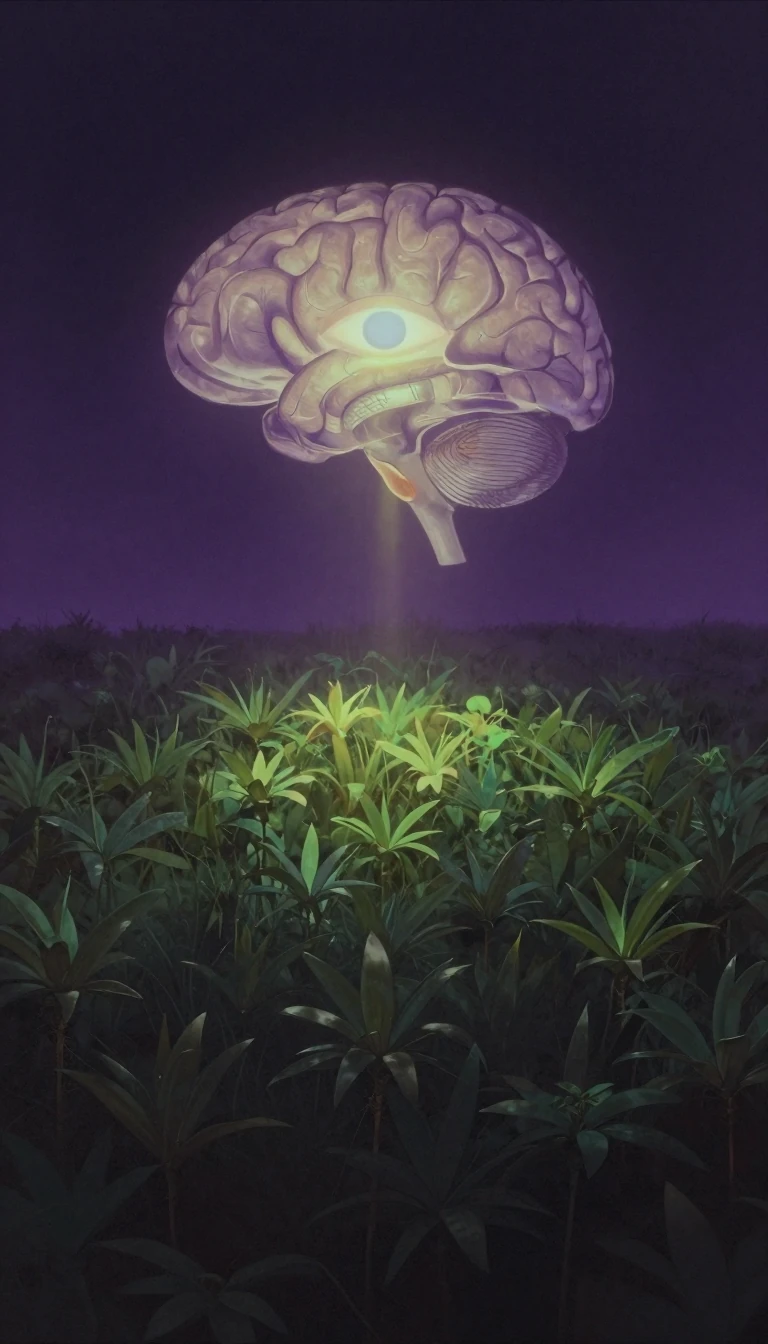
In short: Have you ever heard a lyric that made perfect sense, only to find out it was completely wrong? This isn't just a lapse in hearing; it is a psychological phenomenon where your brain actively rewrites reality to resolve discomfort.
A mondegreen is the misinterpretation of a phrase—usually in poetry or song—where a listener substitutes unclear words with similar-sounding ones that make more immediate sense. The term was coined in 1954 by American writer Sylvia Wright, who recalled mishearing the Scottish ballad "The Bonnie Earl o' Moray" as "Lady Mondegreen." While it might seem like a simple mistake, researchers suggest it is driven by cognitive dissonance. When the brain encounters an unfamiliar stimulus or an uncommon sentence structure, it feels psychologically uncomfortable to leave a gap; thus, it 'wrenches nonsense into sense' by making assumptions to fill in the blanks.
This process is heavily influenced by confirmation bias—the tendency to notice what we expect rather than what is actually there. For instance, listeners of Jimi Hendrix’s "Purple Haze" might hear "kiss this guy" instead of "kiss the sky" because the former feels more plausible in a familiar context. In some cases, mondegreens can become 'locked in' as mumpsimus, where a listener stubbornly maintains a false interpretation even when it becomes strained or less plausible than the original.
Mondegreens have shaped modern culture significantly. The travel guide Lonely Planet was named after a misheard lyric by Joe Cocker, and the children's book "Olive, the Other Reindeer" stems from a mishearing of the Rudolph song. Some mondegreens even become standardized; for example, the 1909 version of "The Twelve Days of Christmas" replaced the original "four colly birds" with "calling birds." In some instances, artists have leaned into the phenomenon, with bands like ELO and The Jimi Hendrix Experience eventually performing the misheard versions in concert.
The rise of radio and hip-hop accelerated these occurrences. Because rap often utilizes regional pronunciations or African-American Vernacular English (AAVE), it can be particularly susceptible to transcription errors for those unfamiliar with the dialect. Conversely, James Gleick argues that mondegreens are a distinctly modern phenomenon because standardized communication via radio allowed these shared mishearings to be recognized and discussed on a mass scale.
Opens the Intellect+ feed with this card first. Swipe up for the next one.
Sources
- Summary by Intellect · source: Mondegreen
To cite this card, link to https://intellectplus.co.uk/app/culture-mondegreen.
How we source, check and correct cards: Editorial standards.
General information, not professional advice. Spotted an error? Flag the card or see corrections and complaints.
Intellect Plus is a visual educational discovery platform for exploring fascinating facts and ideas. Brain Food, Not Brain Rot. What is Intellect Plus?
Related
More in Languages · More in Cultures · Latest · A–Z · All topics
