The National Security Agency: From Secret Code-Breakers to Global Mass Surveillance Architects
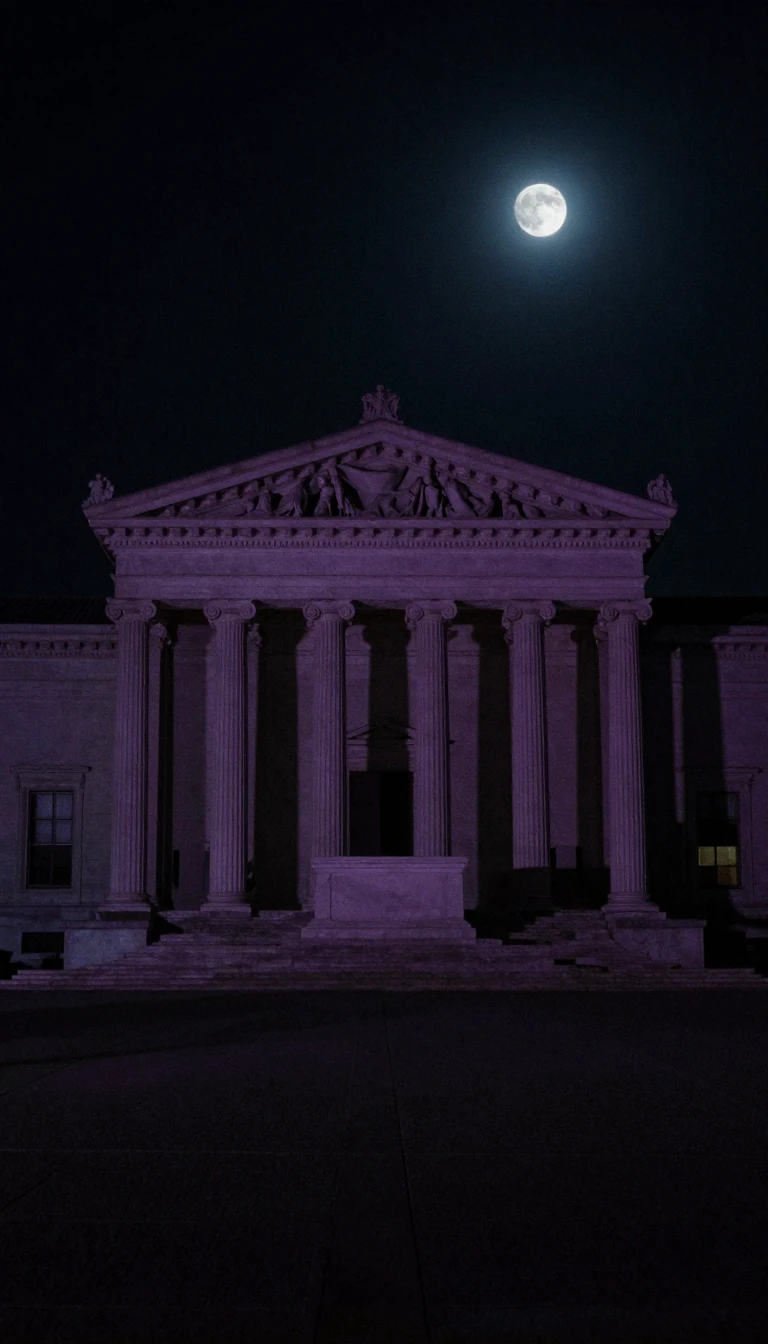
In short: Formed in 1952 to decipher communications, the National Security Agency has evolved from a clandestine unit into a global intelligence powerhouse. With roughly 32,000 employees, it monitors, collects, and processes vast amounts of data, operating under the Department of Defense to secure U.S. networks while conducting worldwide mass surveillance.
The agency's roots trace back to 1917, when a small decryption unit was established during World War I. By 1919, this evolved into the Black Chamber, the nation's first peacetime cryptanalytic organization, which was eventually shuttered in 1929 by Secretary of State Henry L. Stimson, who famously declared that gentlemen do not read each other's mail. Following the failures of the Armed Forces Security Agency to centralize intelligence, President Harry S. Truman officially established the NSA in 1952. Due to its extreme secrecy, the agency was long referred to as No Such Agency.
The NSA's modern operations are vast, encompassing signals intelligence (SIGINT) and cybersecurity. It manages three primary divisions: Global Access Operations for overseas collection, Special Source Operations for domestic collection, and Tailored Access Operations for hacking. In 2013, disclosures by Edward Snowden revealed that the agency intercepts and stores communications from over a billion people globally. These leaks highlighted programs like Boundless Informant, which tracked billions of data items, and confirmed the agency's ability to monitor domestic internet traffic in foreign countries through boomerang routing.
Controversy has frequently shadowed the agency. From the Gulf of Tonkin incident, where overstated intelligence helped escalate the Vietnam War, to the surveillance of civil rights leaders and anti-war activists under the Minaret program, the NSA has faced intense scrutiny. While the agency maintains it protects U.S. communications, its methods—including the alleged insertion of backdoors into encryption standards and the use of malware—remain subjects of significant international and legal debate. In 2020, a U.S. court ruled its surveillance program unlawful, noting that intelligence leaders had not been truthful about its scope.
Today, the NSA serves as a combat support agency and leads efforts to protect federal networks from cyber-terrorism. It operates alongside the Central Security Service to coordinate signals intelligence across the U.S. government. Despite its role in providing decision advantage, the agency remains a lightning rod for concerns regarding privacy, industrial espionage, and the balance between national security and civil liberties.
Opens the Intellect+ feed with this card first. Swipe up for the next one.
Sources
- Summary by Intellect · source: National Security Agency
- Also: www.npsa.gov.uk — National Protective Security Authority | NPSA
- Also: www.nsa.gov — National Security Agency | Central Security Service
To cite this card, link to https://intellectplus.co.uk/app/culture-national-security-agency.
How we source, check and correct cards: Editorial standards.
General information, not professional advice. Spotted an error? Flag the card or see corrections and complaints.
Intellect Plus is a visual educational discovery platform for exploring fascinating facts and ideas. Brain Food, Not Brain Rot. What is Intellect Plus?
Related
More in US culture · More in Cultures · Latest · A–Z · All topics
