Before New York City existed, the Dutch built a multicultural hub called New Netherland.
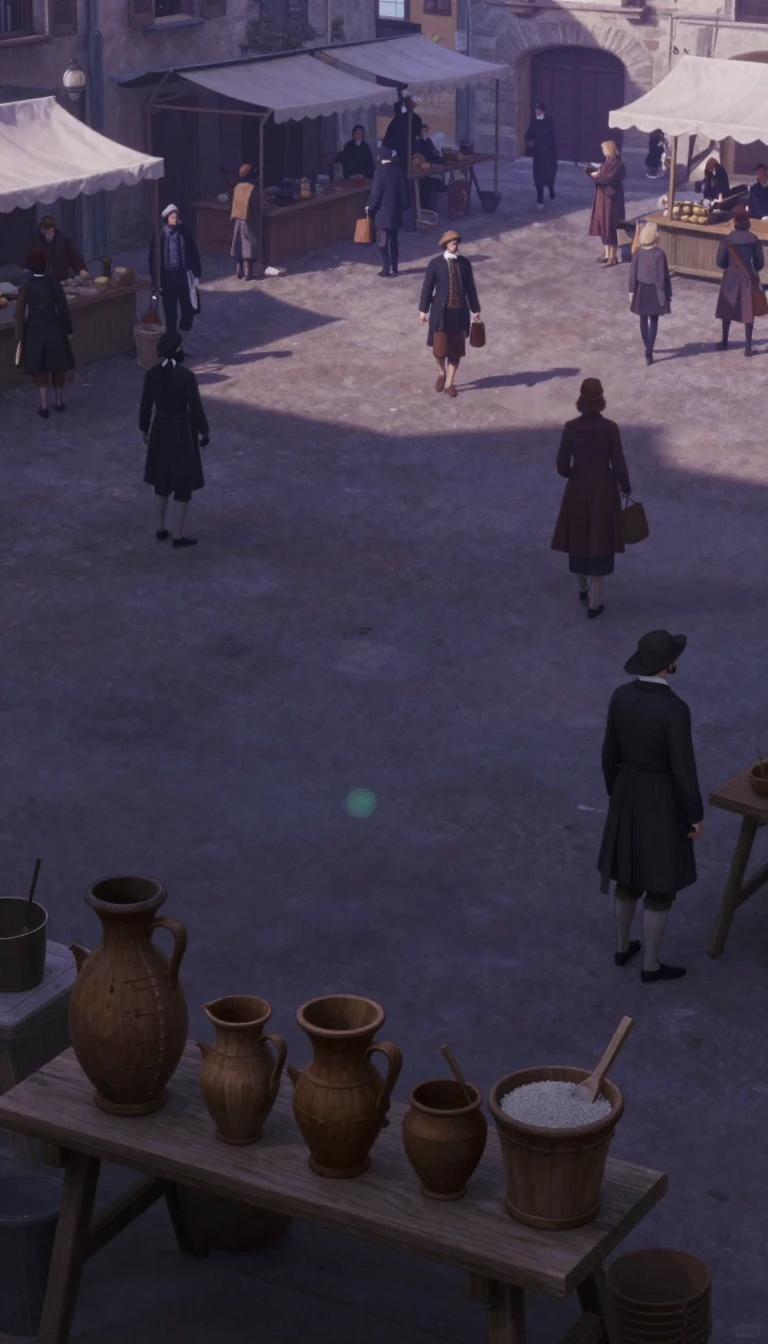
In short: Long before the British arrived, the Dutch West India Company established a sprawling North American colony stretching from Delaware to Cape Cod. Far from a homogeneous outpost, this 17th-century province was a diverse, polyglot center of global trade, fueled by fur, enslaved labor, and a complex, often violent, frontier diplomacy.
Founded in 1624, New Netherland was a commercial venture designed to exploit the North American fur trade. While the Dutch West India Company initially prioritized small, fortified trading posts over mass settlement, the colony eventually grew into a vibrant, multicultural society. By 1674, the population of European colonists and enslaved Africans reached between 8,000 and 9,000. The province was never exclusively Dutch; it included Walloons, French Huguenots, Scandinavians, and Germans, with Dutch serving as the lingua franca in a harbor where commerce was transacted in many tongues.
The colony’s history was defined by shifting borders and intense competition. Dutch explorers like Adriaen Block mapped the region, while directors like Peter Minuit famously purchased Manhattan in 1626—a transaction often mythologized as a $24 deal, though modern estimates suggest its purchasing power was significantly higher. The Dutch also navigated complex relationships with Indigenous nations, including the Mohawks and the Lenape. Misunderstandings regarding land ownership—which the Dutch viewed as exclusive property and the Indigenous people viewed as shared access—led to devastating conflicts, most notably the massacre ordered by Director Willem Kieft in 1643.
Peter Stuyvesant, the colony’s final director-general, arrived in 1647 to find a disgruntled population demanding self-governance. A difficult, authoritarian figure, Stuyvesant struggled to balance the company’s profit-driven mandates with the colonists' desire for rights. Despite his efforts to expand the colony and oust the Swedes from the Delaware River, he was ultimately forced to surrender the territory to the English in 1664. Though the Dutch briefly retook the colony in 1673, the Treaty of Westminster in 1674 permanently ended their North American experiment, leaving behind a legacy that shaped the future of the region.
Opens the Intellect+ feed with this card first. Swipe up for the next one.
Sources
- Summary by Intellect · source: New Netherland
- Also: New Netherland | colony, North America | Britannica
To cite this card, link to https://intellectplus.co.uk/app/culture-new-netherland.
How we source, check and correct cards: Editorial standards.
General information, not professional advice. Spotted an error? Flag the card or see corrections and complaints.
Intellect Plus is a visual educational discovery platform for exploring fascinating facts and ideas. Brain Food, Not Brain Rot. What is Intellect Plus?
Related
More in US culture · More in Cultures · Latest · A–Z · All topics
