Why Japan’s most feared vengeful spirits are still enshrined in the heart of Tokyo
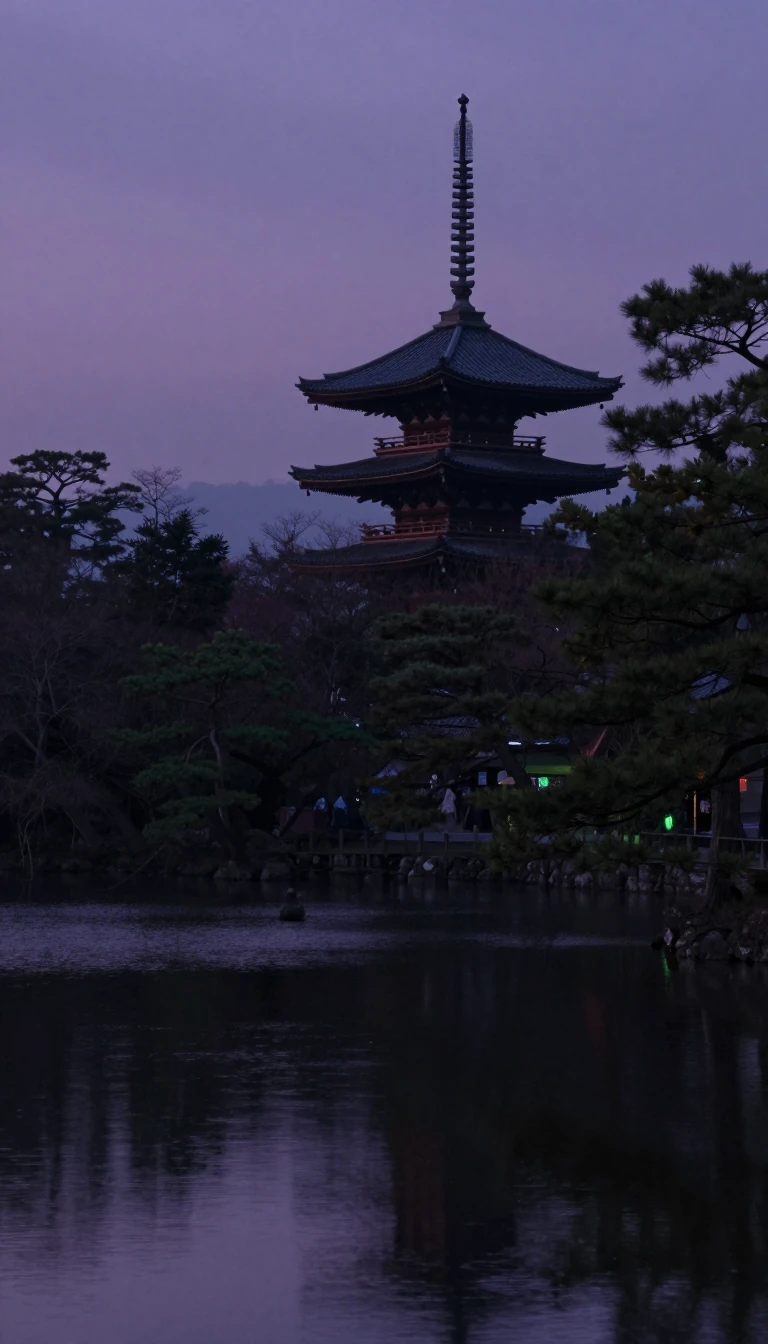
In short: In Japanese folklore, an onryō is a spirit so consumed by hatred that it transcends death to wreak havoc on the living. These vengeful ghosts, often depicted as wronged women, do not merely haunt individuals; they are believed to trigger natural disasters, plagues, and political collapse to settle ancient scores.
The concept of the onryō, or 'vengeful spirit,' emerged as early as the 8th century. Rooted in the belief that intense resentment could detach a soul from its physical body, these entities were blamed for everything from personal illness to national catastrophes. The earliest recorded instance of possession by an onryō appears in the 797 chronicle Shoku Nihongi, which describes the spirit of Fujiwara Hirotsugu killing the priest Genbō after a failed insurrection. This belief system, known as Goryō Shinko, held that the only way to stop the destruction was to appease the spirit by deifying the deceased as a kami in a Shinto shrine.
History is punctuated by the appeasement of the 'Three Great Onryō of Japan': Emperor Sutoku, Taira no Masakado, and Sugawara no Michizane. When Emperor Kanmu feared the wrath of his brother, Prince Sawara—whom he had exiled and who died by fasting—he moved the capital to Nagaoka-kyō and later Kyoto to escape the curse. Similarly, Sugawara no Michizane, who died in political exile, was blamed for a series of lightning strikes and deaths among his enemies. The court eventually restored his rank and deified him to quell his spirit. These rituals were not merely symbolic; they were seen as essential survival strategies for the state.
The visual identity of the onryō—the white burial kimono, wild black hair, and indigo-shadowed makeup—was solidified during the Edo period through the influence of Kabuki theater. This aesthetic has since permeated modern media, from the J-Horror icons Sadako and Kayako to contemporary video games. Yet, the reverence remains tangible. Taira no Masakado’s head mound, located in Tokyo’s business district, has survived numerous urban redevelopment projects. Despite accidents and deaths attributed to moving the site, the mound remains carefully maintained today, a permanent reminder that in Japanese tradition, the boundary between the living and the vengeful dead is never truly closed.
Opens the Intellect+ feed with this card first. Swipe up for the next one.
Sources
- Summary by Intellect · source: Onryō
To cite this card, link to https://intellectplus.co.uk/app/culture-onry.
How we source, check and correct cards: Editorial standards.
General information, not professional advice. Spotted an error? Flag the card or see corrections and complaints.
Intellect Plus is a visual educational discovery platform for exploring fascinating facts and ideas. Brain Food, Not Brain Rot. What is Intellect Plus?
Related
More in UK & Irish culture · More in Cultures · Latest · A–Z · All topics
