The Pacific Islands are defined by more than just geography and ocean currents
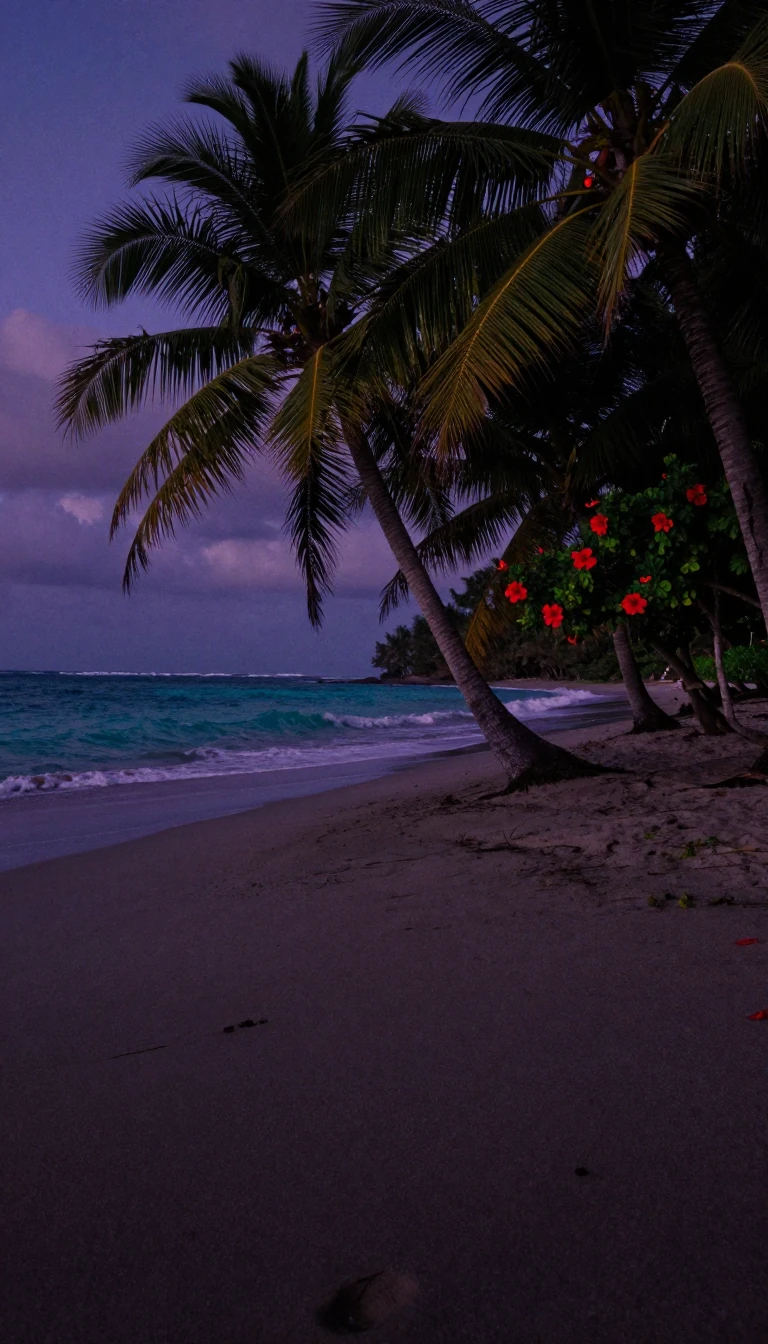
In short: Spanning millions of square miles, the Pacific Islands are categorized into three distinct ethnogeographic groups: Melanesia, Micronesia, and Polynesia. While these islands share an oceanic home, they are divided by complex geological histories, ranging from continental landmasses to volcanic peaks and fragile coral atolls, each shaping the lives of their inhabitants.
The Pacific Islands comprise a vast region conventionally excluding Australia and major Asian archipelagoes. This area is split into three primary groupings: Melanesia, named for its predominantly dark-skinned peoples; Micronesia, a northern arc of islands; and Polynesia, a massive eastern triangle anchored by Hawaii, New Zealand, and Easter Island. These regions are further distinguished by their physiography, separated by the Andesite Line. Southwest of this line, continental islands like New Guinea and New Zealand are mountainous and mineral-rich. To the northeast, oceanic islands are primarily volcanic or coral-based.
Geology dictates the survival of these islanders. Oceanic islands are formed from basaltic lava, often appearing as high volcanic peaks or low-lying coral atolls. Atolls are particularly precarious, as they are formed by coral growth on submerged volcanic cores, often rising only 20 to 30 feet above sea level. These environments rely heavily on rain catchments for fresh water, as they lack the deeper soil and mineral deposits found on raised coral islands like Naoero or Banaba, which contain phosphate rock derived from guano.
The human geography of the Pacific is as layered as its geology. While the term Pacific Islander typically refers to the indigenous peoples of these three subregions, the definition can shift depending on whether one uses an ethnic, cultural, or geopolitical lens. For instance, Auckland, New Zealand, has become a major urban hub for Pacific Islanders, often called the Polynesian capital of the world, due to 20th and 21st-century migration. Conversely, some remote islands in the eastern Pacific, such as the Galápagos or Juan Fernández group, were settled much later by mainlanders and are not traditionally included in the Pacific Islander ethnic identity.
Understanding this region requires looking beyond the map. The climate is largely tropical, with uniform temperatures and humidity, though New Zealand offers a temperate exception. As vegetation and biodiversity decline moving eastward across the Pacific, the adaptation of islanders to their specific environments—whether on a large continental island or a tiny, isolated atoll—remains a defining feature of their history and ongoing resilience.
Opens the Intellect+ feed with this card first. Swipe up for the next one.
Sources
- Summary by Intellect · source: Pacific Islands | Countries, Map, & Facts | Britannica
- Also: Pacific Islander
To cite this card, link to https://intellectplus.co.uk/app/culture-pacific-islander.
How we source, check and correct cards: Editorial standards.
General information, not professional advice. Spotted an error? Flag the card or see corrections and complaints.
Intellect Plus is a visual educational discovery platform for exploring fascinating facts and ideas. Brain Food, Not Brain Rot. What is Intellect Plus?
Related
More in Peoples & civilisations · More in Cultures · Latest · A–Z · All topics
