The deceptive vine that cools your home while plotting a global takeover
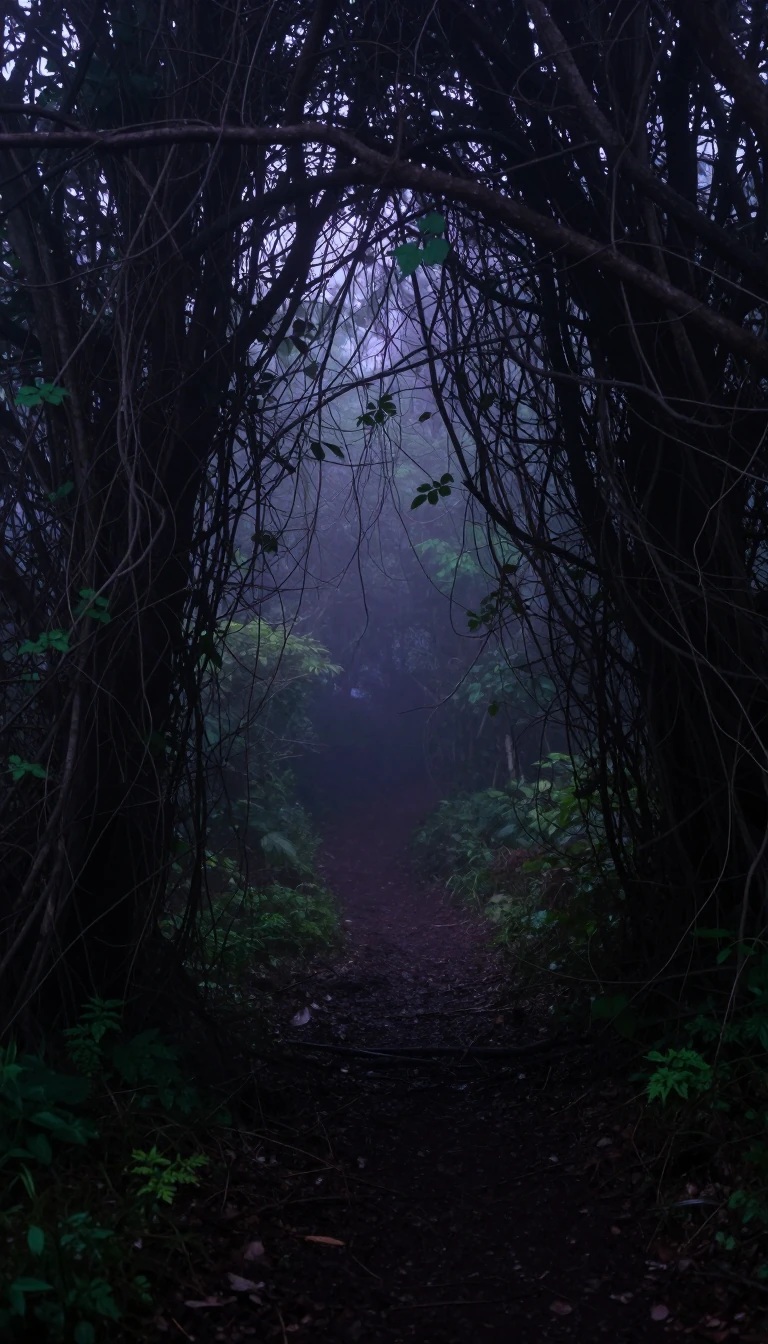
In short: Virginia creeper is a botanical marvel, capable of scaling walls with adhesive pads and cooling buildings through natural shade. Yet, this North American native has escaped gardens to become an invasive threat across the globe, earning bans in Switzerland and strict management warnings from the Royal Horticultural Society.
Parthenocissus quinquefolia, known widely as Virginia creeper, is a member of the Vitaceae family, sharing a closer lineage with grapevines than with true ivy. Its name is a linguistic fusion of Greek and Latin: Parthenocissus translates to virgin ivy, while quinquefolia denotes its signature five-leaflet structure. Indigenous peoples of North America, including the Mohawk and Ojibwe, have long recognized the plant, naming it in their own languages long before French settlers dubbed it vigne vierge in the seventeenth century.
The plant’s success as an ornamental stems from its rapid growth and stunning autumn foliage, which shifts from green to a vibrant, deep red. It climbs vertical surfaces using specialized tendrils tipped with adhesive disks, each measuring about 5 mm. Unlike plants that use invasive roots to penetrate masonry, these disks allow the vine to cling to walls without structural damage. When used strategically, this dense cover can keep buildings cooler during summer months by providing natural shade.
However, this aggressive growth is a double-edged sword. In the wild, the vine can reach heights of 20 to 30 meters, often smothering trees by blocking sunlight and adding excessive weight. Its berries, while a vital winter food source for birds, contain toxic levels of oxalic acid that can cause kidney damage in humans. Furthermore, the plant's sap contains needle-shaped calcium oxalate crystals, which can cause skin irritation and blisters in sensitive individuals, often leading people to confuse it with poison ivy.
Today, the plant is a global traveler, established on every continent except Antarctica. Its status as an invasive species has triggered regulatory responses; for instance, the United Kingdom lists it under the Wildlife and Countryside Act 1981, and Switzerland banned its sale and import in 2024. Because it propagates through an extensive root system, it is notoriously difficult to eradicate once it escapes the garden, forcing gardeners and conservationists to balance its aesthetic appeal against its ecological impact.
Opens the Intellect+ feed with this card first. Swipe up for the next one.
Sources
- Summary by Intellect · source: Parthenocissus quinquefolia
- Also: www.rhs.org.uk — Parthenocissus quinquefolia | Virginia creeper
To cite this card, link to https://intellectplus.co.uk/app/culture-parthenocissus-quinquefolia.
How we source, check and correct cards: Editorial standards.
General information, not professional advice. Spotted an error? Flag the card or see corrections and complaints.
Intellect Plus is a visual educational discovery platform for exploring fascinating facts and ideas. Brain Food, Not Brain Rot. What is Intellect Plus?
Related
More in US culture · More in Cultures · Latest · A–Z · All topics
