The invisible voices behind your favorite movie stars and musical performances
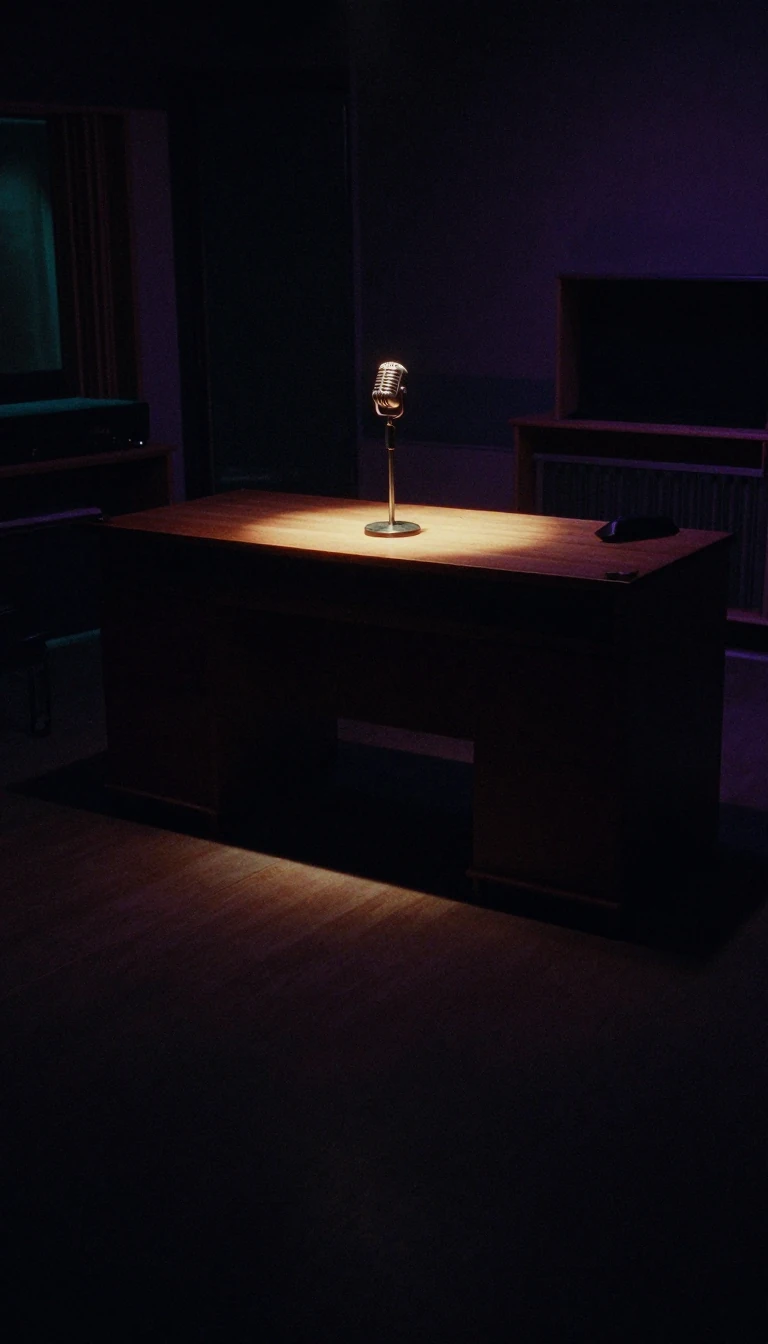
In short: When an actor belts out a show-stopping tune on screen, they are often lip-syncing to a hidden professional. Known as playback singers in South Asia and ghost singers in Hollywood, these vocalists provide the soul of a performance while the star takes the credit, sometimes without the public ever knowing.
In South Asian cinema, the playback singer is a celebrated institution. Since the release of the first Indian talkie, Alam Ara, in 1931, the industry evolved from dual recordings during production to a studio-based model by 1953. Unlike in the West, these singers are often as famous as the actors they dub, frequently trained in classical music before expanding their range. Icons like Mohammed Rafi, Ahmed Rushdi, and sisters Lata Mangeshkar and Asha Bhosle have achieved immense public admiration, with Bhosle officially recognized by Guinness in 2011 as the most recorded artist in music history.
Hollywood’s relationship with ghost singing has been more clandestine. Studios historically feared that audiences would reject musical films if they knew the stars were not providing their own vocals. Consequently, the practice was often kept secret, sometimes even from the actors themselves. Notable ghost singers like Marni Nixon, who dubbed for stars including Natalie Wood in West Side Story and Audrey Hepburn in My Fair Lady, eventually fought for recognition and royalties. In some cases, such as Anita Ellis’s work for Rita Hayworth in Gilda, the singer’s identity was entirely obscured, with the actor receiving the soundtrack credit instead.
The technique extends beyond traditional musicals into various forms of performance. It has been used to enhance portrayals in films like The Sound of Music and Singin' in the Rain, and even in non-cinematic events, such as when Yang Peiyi provided the vocals for Lin Miaoke at the 2008 Beijing Olympics. While the practice is sometimes a plot point, as in Singin' in the Rain, it remains a persistent, often invisible mechanism of the entertainment industry, ensuring that the emotional resonance of a song is perfectly matched to the visual performance on screen.
Opens the Intellect+ feed with this card first. Swipe up for the next one.
Sources
- Summary by Intellect · source: Playback singer
To cite this card, link to https://intellectplus.co.uk/app/culture-playback-singer.
How we source, check and correct cards: Editorial standards.
General information, not professional advice. Spotted an error? Flag the card or see corrections and complaints.
Intellect Plus is a visual educational discovery platform for exploring fascinating facts and ideas. Brain Food, Not Brain Rot. What is Intellect Plus?
Related
More in Traditions & customs · More in Cultures · Latest · A–Z · All topics
