With 85 million people living abroad, the Polish diaspora is a global phenomenon.
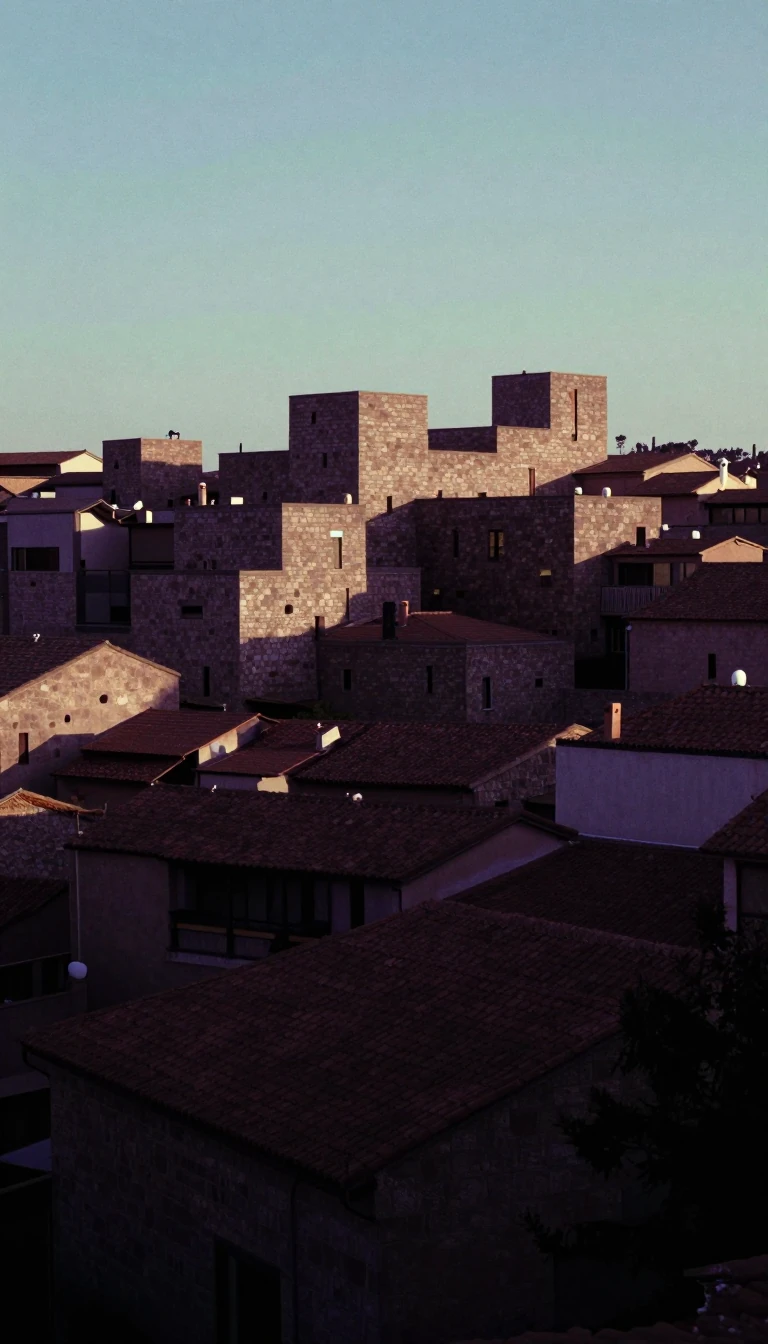
In short: Known as Polonia, the Polish diaspora is one of the world's largest and most widely dispersed populations. From historical political exiles to modern economic migrants, Poles have established communities across every continent, creating unique cultural hybrids like Ponglish and maintaining deep ties to their homeland through centuries of upheaval.
The Polish diaspora, or Polonia, encompasses roughly 85.5 million people of Polish ancestry living outside Poland. This vast dispersion is the result of centuries of complex history, including border shifts, forced expulsions, and waves of political and economic migration. During the Partitions of Poland, ethnic persecution by Russia, Prussia, and Austria drove many to leave, while the 20th century brought the devastating impact of World War II. During that conflict, approximately 6 million Polish citizens perished, including 3 million Polish Jews murdered in the Holocaust. Following the war, political crises, such as the 1968 anti-Zionist campaign, further reshaped the community.
Migration patterns have shifted significantly over time. In the 19th century, political refugees fled to countries like France and Belgium, while others settled in the Americas or even Japan. More recently, Poland’s 2004 accession to the European Union triggered a massive wave of mobility, with about 2 million young Poles seeking employment in countries like Ireland, Norway, and the Netherlands. In many of these nations, Poles now constitute the largest ethnic minority. For instance, in Iceland, they represent roughly 5% of the total population, while in Norway, they account for 2.48%.
The cultural footprint of this diaspora is profound. In English-speaking countries, the community often utilizes Ponglish, a dialect blending Polish core structures with English vocabulary. In other regions, the integration is more traditional, such as the officially recognized Polish minority in Romania, which maintains its own schools and cultural centers. Whether through the historical influence of figures like Marie Curie in France or the contemporary presence of guest workers in the EU, the diaspora remains a vital, evolving extension of the Polish nation. Despite the challenges of forced resettlement in the Soviet era or the pressures of assimilation, the global Polonia continues to preserve its identity through organizations, language, and shared heritage.
Opens the Intellect+ feed with this card first. Swipe up for the next one.
Sources
- Summary by Intellect · source: Polish diaspora
To cite this card, link to https://intellectplus.co.uk/app/culture-polish-diaspora.
How we source, check and correct cards: Editorial standards.
General information, not professional advice. Spotted an error? Flag the card or see corrections and complaints.
Intellect Plus is a visual educational discovery platform for exploring fascinating facts and ideas. Brain Food, Not Brain Rot. What is Intellect Plus?
Related
More in Languages · More in Cultures · Latest · A–Z · All topics
