The R-36 Satan was a Cold War giant that defined the nuclear arms race.
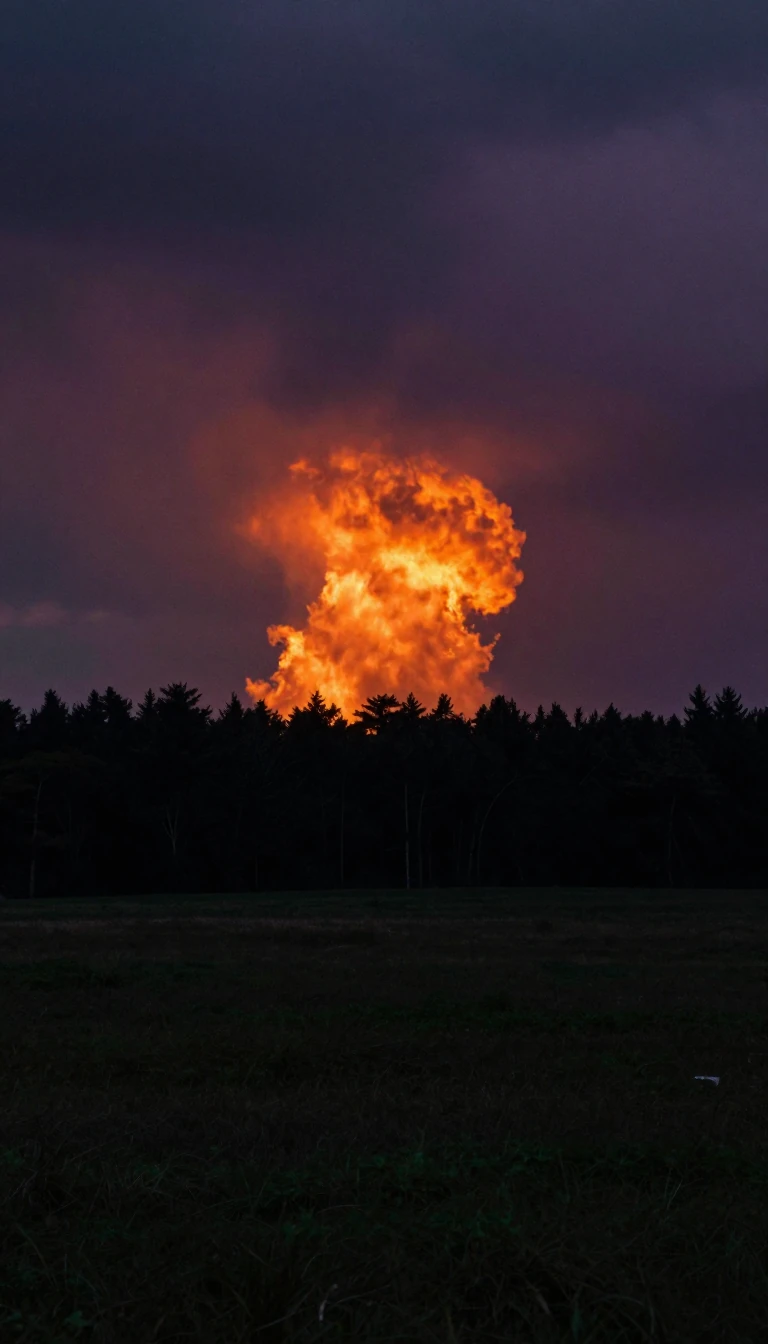
In short: Designed in 1962, the Soviet R-36 intercontinental ballistic missile family became a symbol of strategic power. Known to NATO as the SS-18 Satan, these liquid-fueled rockets carried massive warheads and pioneered multiple re-entry vehicle technology. Decades later, the final variants remain a lingering presence in the Russian nuclear arsenal.
Development of the R-36 began in 1962 at OKB-586 in Dnepropetrovsk, Ukraine, under Chief Designer Mikhail Yangel. The program aimed to surpass earlier designs, resulting in a two-stage liquid-bipropellant rocket that utilized UDMH fuel and nitrogen tetroxide oxidizer. Early testing was fraught with accidents, including a 1963 launch failure that destroyed the pad and a 1965 explosion during propellant loading. Despite these setbacks, the original R-36 entered service in November 1968.
The R-36M, or SS-18 Satan, represented a significant escalation in capability. While the initial design targeted a 12 Mt warhead, the deployed version featured a staggering 18–20 Mt yield. By the time the R-36M-2 Voevoda was deployed in August 1988, the system could strike targets 16,000 km away. These missiles were housed in hardened silos, with some estimates suggesting they could withstand pressures exceeding 7,000 psi. To navigate treaty limitations on warhead counts, the Soviets equipped these missiles with up to 40 decoys.
Following the 1991 collapse of the Soviet Union, the R-36 legacy was split between Russia and Kazakhstan. While 104 launchers in Kazakhstan were dismantled by 1996, Russia maintained a reduced force. By January 2020, 46 R-36M2 missiles remained in active service across the 13th and 62nd Rocket Divisions. Although the RS-28 Sarmat was unveiled in 2018 as a replacement, the R-36M2 continues to occupy a unique place in history, with some even proposing its use for asteroid deflection.
Opens the Intellect+ feed with this card first. Swipe up for the next one.
Sources
- Summary by Intellect · source: R-36 (missile)
To cite this card, link to https://intellectplus.co.uk/app/culture-r-36-missile.
How we source, check and correct cards: Editorial standards.
General information, not professional advice. Spotted an error? Flag the card or see corrections and complaints.
Intellect Plus is a visual educational discovery platform for exploring fascinating facts and ideas. Brain Food, Not Brain Rot. What is Intellect Plus?
Related
More in Traditions & customs · More in Cultures · Latest · A–Z · All topics
