How Microsoft turned a niche application sharing protocol into a global remote desktop standard.
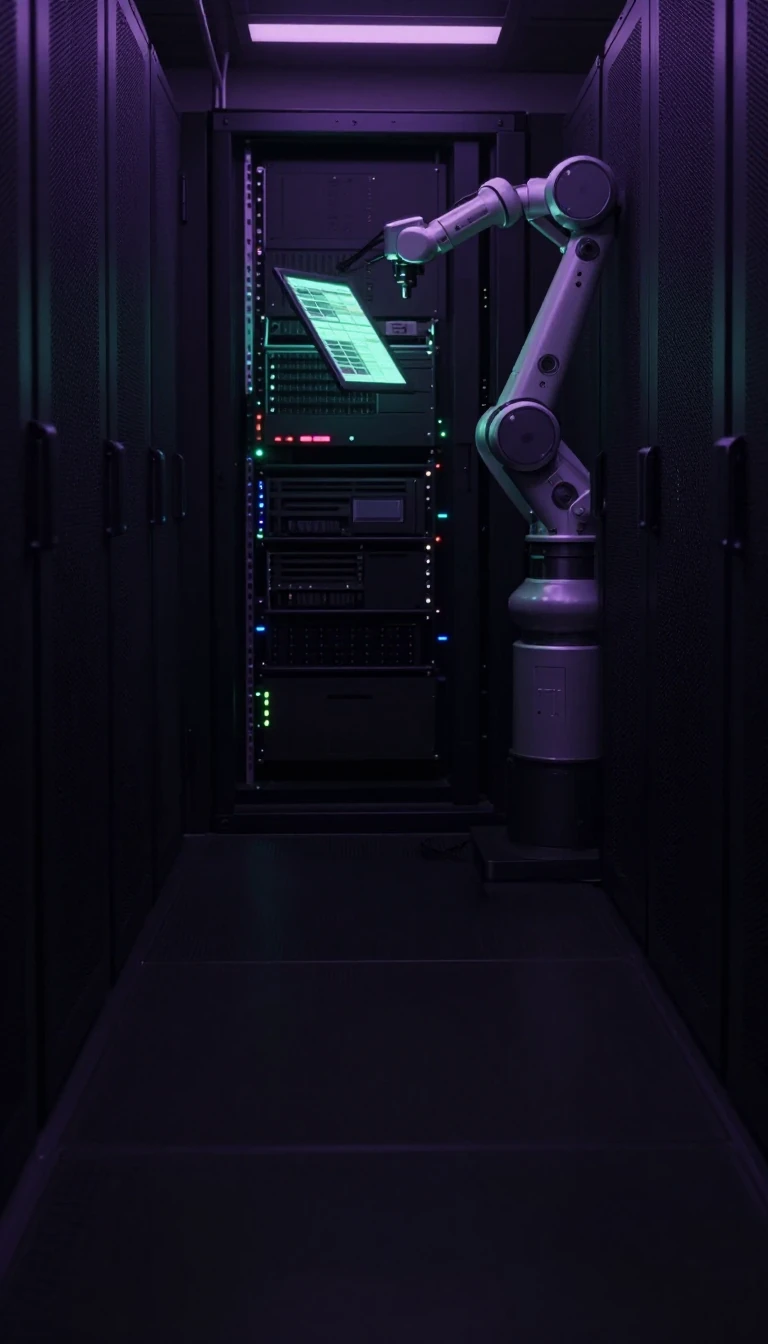
In short: The Remote Desktop Protocol is a proprietary technology that allows users to interact with a graphical interface on a distant computer. Originally derived from the ITU-T T.128 standard, it has evolved from simple terminal sessions into a complex system supporting multi-monitor setups, GPU virtualization, and advanced security encryption.
The Remote Desktop Protocol (RDP) traces its origins to the T.120 series of recommendations, specifically the T.128 application sharing protocol acquired by Microsoft from Data Connection Limited. Its first iteration, version 4.0, debuted in 1998 with Windows NT 4.0 Terminal Server Edition. This early release relied heavily on Citrix's MultiWin technology to manage multiple simultaneous user sessions, a dependency that required Microsoft to license the software from Citrix. Over time, Microsoft integrated these capabilities directly into the Windows operating system, eventually rebranding the service as Remote Desktop Services in 2009.
The protocol functions by connecting a client to a server, which by default listens on TCP and UDP port 3389. While the server components are built into professional and server editions of Windows, home editions lack this native support. The protocol has seen significant functional expansion over the decades. Version 5.0 introduced local printer redirection and bandwidth optimizations, while version 6.0 brought support for multi-monitor spanning and the Aero Glass theme. By version 7.1, the introduction of RemoteFX provided virtualized GPU support, and version 8.0 added multi-touch capabilities and adaptive graphics.
Security and performance remain central to the protocol's development. Early versions relied on legacy RC4 encryption, but modern iterations have shifted toward TLS standards, with version 8.0 supporting TLS 1.2. However, the protocol is not without vulnerabilities; for instance, the 'restricted admin' mode in version 8.1, while useful, introduced the potential for pass-the-hash attacks, prompting Microsoft to issue extensive mitigation guidance. Today, RDP remains a sophisticated tool that goes beyond simple screen streaming, utilizing content-aware compression that tracks window states and font knowledge to maintain responsiveness over network connections.
The evolution of RDP reflects the changing demands of computing environments. From its roots in terminal services to modern features like USB redirection and H.264/AVC graphics compression, the protocol has adapted to support increasingly complex remote workflows. Despite the removal of certain features like session shadowing in version 8.0—only to be reinstated in 8.1—the protocol continues to serve as a cornerstone for remote administration and application access across diverse operating systems.
Opens the Intellect+ feed with this card first. Swipe up for the next one.
Sources
- Summary by Intellect · source: Remote Desktop Protocol
To cite this card, link to https://intellectplus.co.uk/app/culture-remote-desktop-protocol.
How we source, check and correct cards: Editorial standards.
General information, not professional advice. Spotted an error? Flag the card or see corrections and complaints.
Intellect Plus is a visual educational discovery platform for exploring fascinating facts and ideas. Brain Food, Not Brain Rot. What is Intellect Plus?
Related
More in Languages · More in Cultures · Latest · A–Z · All topics
