Why your brain separates the desire for a reward from the pleasure of it
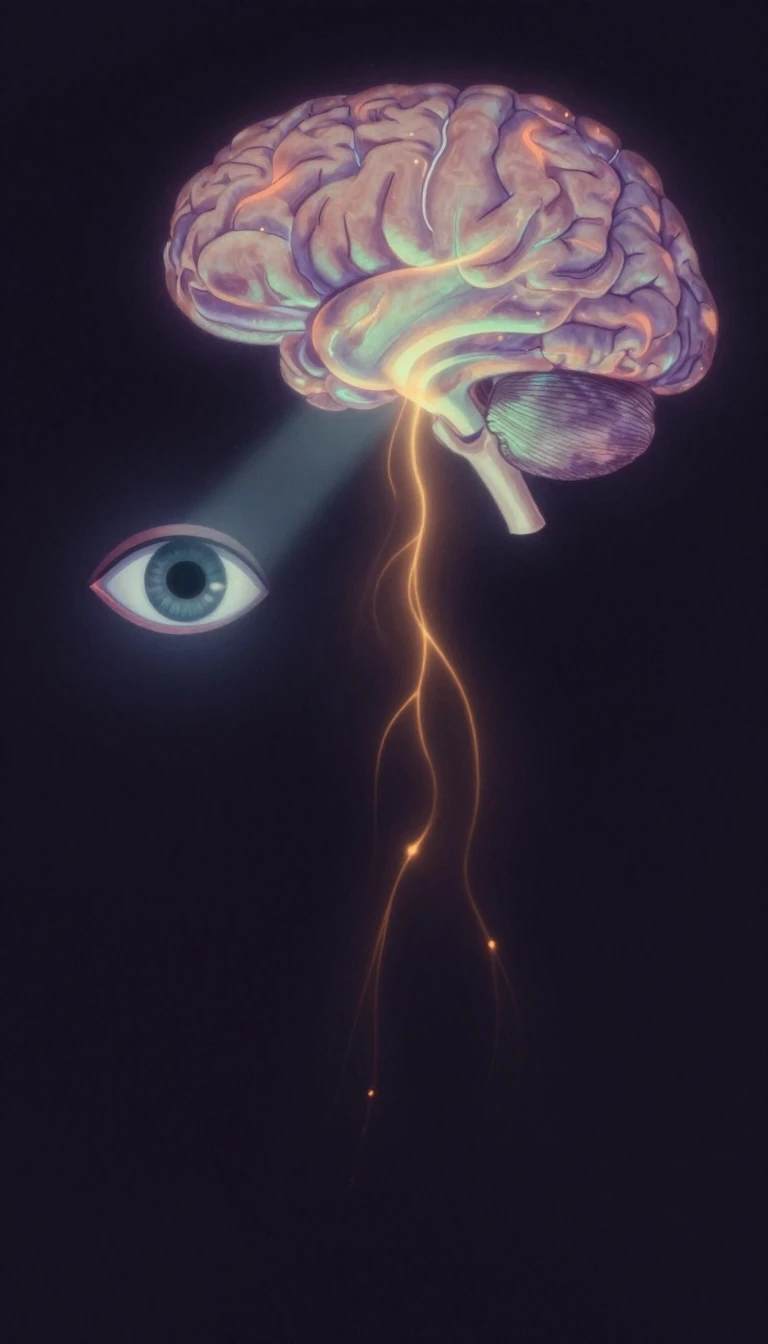
In short: The brain does not treat wanting and liking as the same thing. While we often assume desire and pleasure are linked, neuroscience reveals they are driven by distinct neural systems. This separation explains why we can crave things we do not enjoy and why some rewards feel empty.
The reward system, or mesocorticolimbic circuit, is a complex network of structures evolved to maximize survival by driving us toward beneficial stimuli like food and social interaction. At its core, the system manages two distinct psychological components: incentive salience, or 'wanting,' and hedonic 'liking.' While these processes typically occur together, they are controlled by different mechanisms. 'Wanting' is largely driven by dopaminergic pathways, whereas 'liking'—the actual experience of pleasure—is mediated by opiate, GABA, and endocannabinoid systems.
This distinction was formalized in the 1993 incentive-sensitization theory by Terry Robinson and Kent Berridge. Their research demonstrated that these components can change independently. For instance, in laboratory settings, rats can be manipulated to show intense 'wanting' for food without experiencing the corresponding 'liking' reaction. This explains why extrinsic rewards, such as money, can function as powerful motivational magnets that trigger craving even when they provide no inherent pleasure. We are biologically wired to pursue these stimuli, even if the payoff feels hollow.
The system also features an 'anti-reward' circuit, proposed by Koob and Le Moal, which acts as a brake on our pursuit of rewards. This circuit, involving the amygdala and signaling molecules like norepinephrine, helps prevent the over-consumption of resources. However, in cases of addiction, this balance shifts. While the reward circuit drives initial positive reinforcement, the anti-reward circuit eventually dominates through negative reinforcement, turning the pursuit of a substance into a compulsion to avoid the unpleasant effects of withdrawal.
During adolescence, this system undergoes significant maturation. Dopamine receptor expression peaks, and the brain becomes highly sensitive to social and exploratory rewards. This heightened state of development makes the adolescent brain particularly vulnerable to impulsive behaviors and the formation of maladaptive patterns, such as substance-use disorders, as the brain recalibrates its sensitivity to rewards and risks.
Opens the Intellect+ feed with this card first. Swipe up for the next one.
Sources
- Summary by Intellect · source: Reward system
To cite this card, link to https://intellectplus.co.uk/app/culture-reward-system.
How we source, check and correct cards: Editorial standards.
General information, not professional advice. Spotted an error? Flag the card or see corrections and complaints.
Intellect Plus is a visual educational discovery platform for exploring fascinating facts and ideas. Brain Food, Not Brain Rot. What is Intellect Plus?
Related
More in Traditions & customs · More in Cultures · Latest · A–Z · All topics
