The Shared Language That Binds and Divides Two Central African Nations
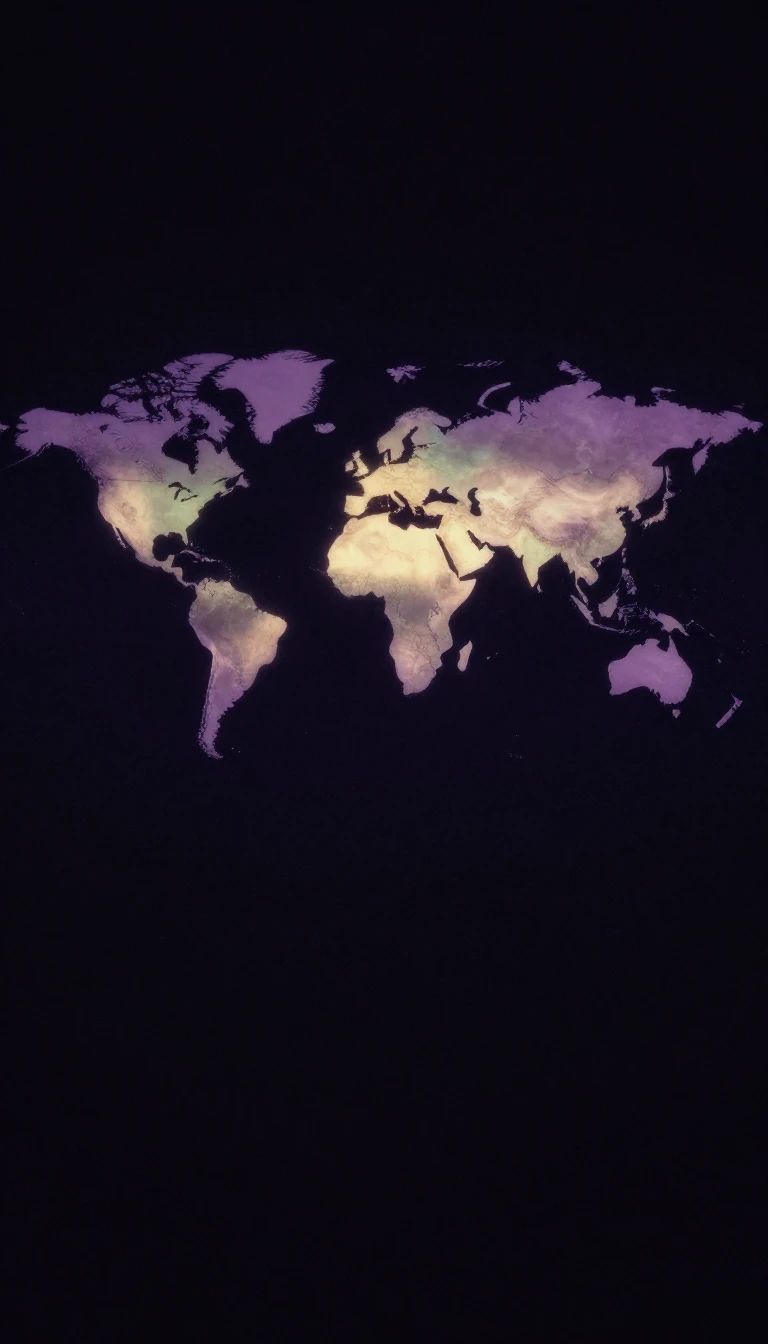
In short: In Burundi and Rwanda, the linguistic landscape is defined by a rare homogeneity. Kirundi and Kinyarwanda are mutually intelligible dialects within the Rwanda-Rundi language group. Despite this deep cultural connection, the region has endured decades of ethnic conflict, proving that a common tongue does not always guarantee social peace.
The Rwanda-Rundi language group represents a dialect continuum spanning Central Africa. While Kirundi serves as the national language of Burundi and Kinyarwanda functions as the official language of Rwanda, these speech varieties are closely related. They are tonal languages, utilizing high and low tones to convey meaning, and they share significant structural similarities. Although minor variations exist in consonants, vowels, and affixes, the two are largely mutually intelligible, reflecting the historically tight cultural ties between the neighboring populations.
In Burundi, the population is primarily divided into the Hutu, traditionally farmers, and the Tutsi, historically cattle-owners. Despite these distinct social roles, the two groups share the same language, Rundi. This linguistic unity is an anomaly in sub-Saharan Africa, where diverse language groups are the norm. Historically, the Tutsi minority held significant power, controlling the military and the lucrative coffee export economy. This disparity has fueled long-standing ethnic tensions that have plagued the nation since it gained independence from Belgium in 1962.
The consequences of this interethnic violence have been profound, leading to significant loss of life and property. The conflict intensified during the 1990s, spilling across borders into Rwanda and the Democratic Republic of the Congo. A local proverb warns against inviting disaster upon one's rivals, noting that the same force used to harm an enemy may inadvertently destroy one's own allies. Despite international peacekeeping efforts and power-sharing agreements, the path toward unity remains a complex challenge for the nation as it seeks to rebuild its social fabric.
Beyond the political sphere, the language remains a central pillar of Burundian identity. The country, which features a rugged topography including the Western Rift Valley and Mount Heha, is currently navigating a transition of its political capital to Gitega. As the nation moves forward, the shared Rundi language continues to serve as a constant, even as the country grapples with the difficult task of reconciling its past and fostering a more unified future.
Opens the Intellect+ feed with this card first. Swipe up for the next one.
Sources
- Summary by Intellect · source: Rundi | Rundi Ethnicity, Burundi Culture & Hutu-Tutsi Conflict | Britannica
- Also: Rwanda-Rundi
To cite this card, link to https://intellectplus.co.uk/app/culture-rwanda-rundi.
How we source, check and correct cards: Editorial standards.
General information, not professional advice. Spotted an error? Flag the card or see corrections and complaints.
Intellect Plus is a visual educational discovery platform for exploring fascinating facts and ideas. Brain Food, Not Brain Rot. What is Intellect Plus?
Related
More in Language · More in Cultures · Latest · A–Z · All topics
